Table bases
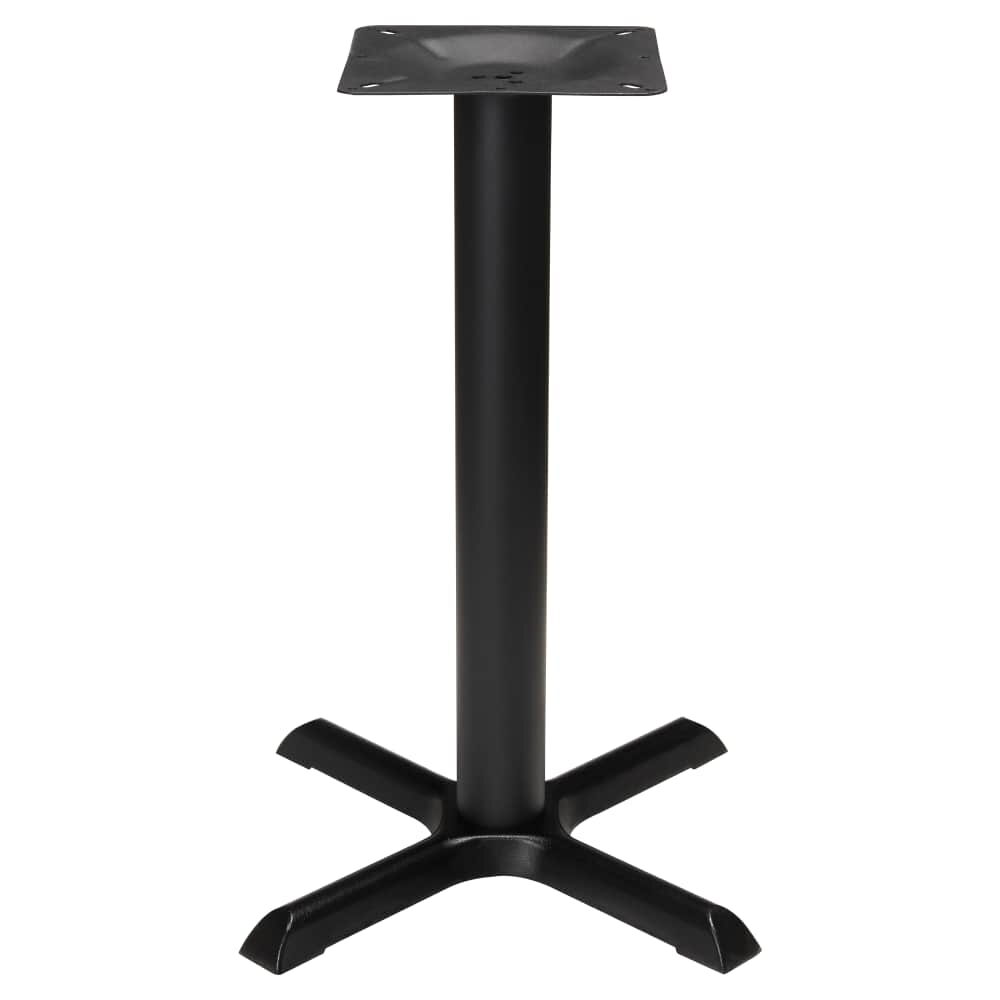
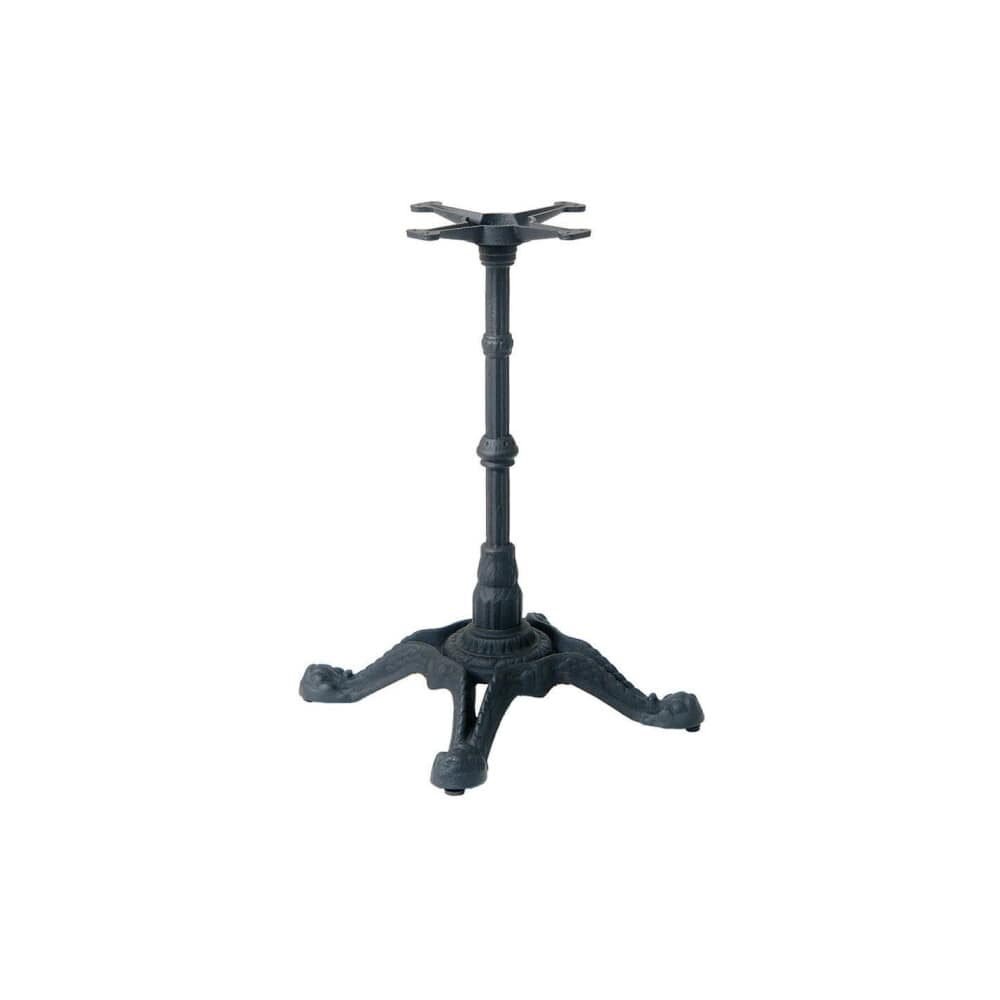
Black X-Prong Table Base, Cast Iron, Standard Height
- Cast iron base
- Indoor use
From $48.00Set options
ComparePick the piece for the job it does.
An X-prong base puts four feet out toward the corners of the top, which is why it sits so well under a square or a rectangle. There are 20 here in aluminum, cast iron, steel and chrome.
20 listed products · Prices in USD · Options on each product
A closer look at this selection
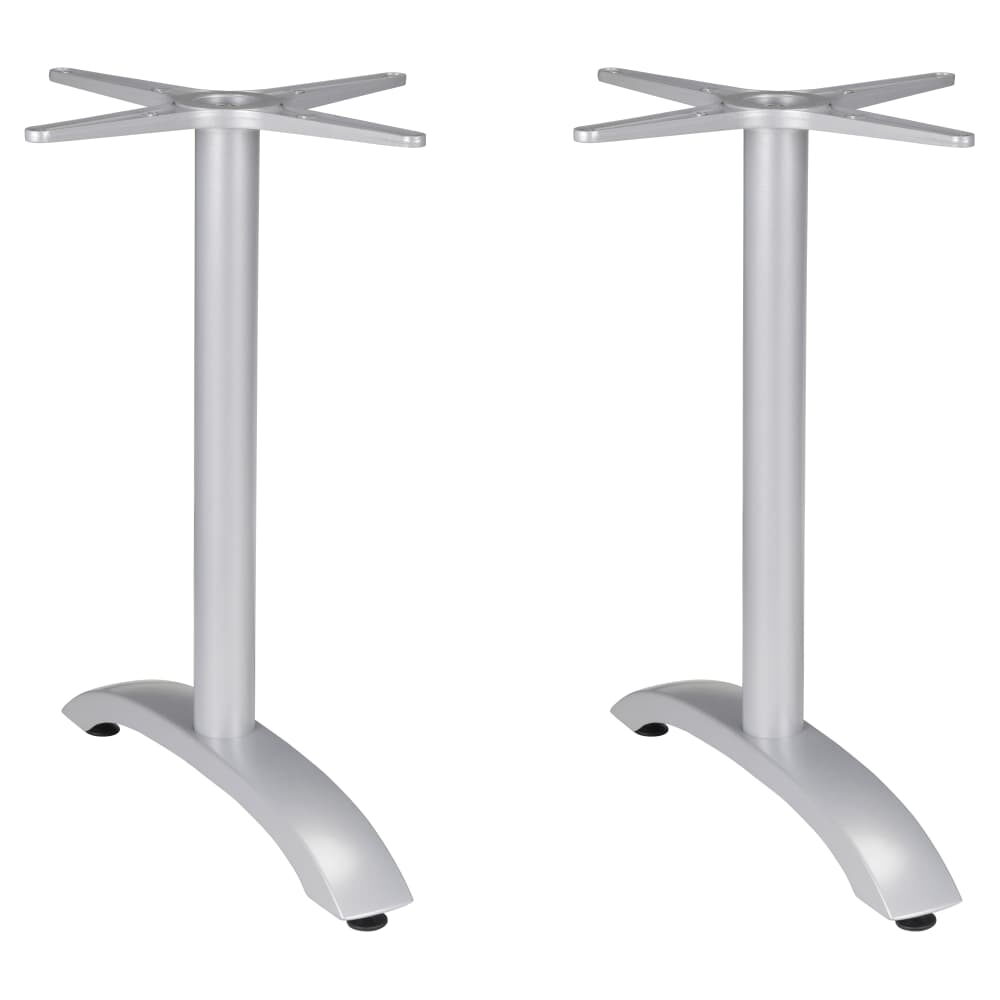
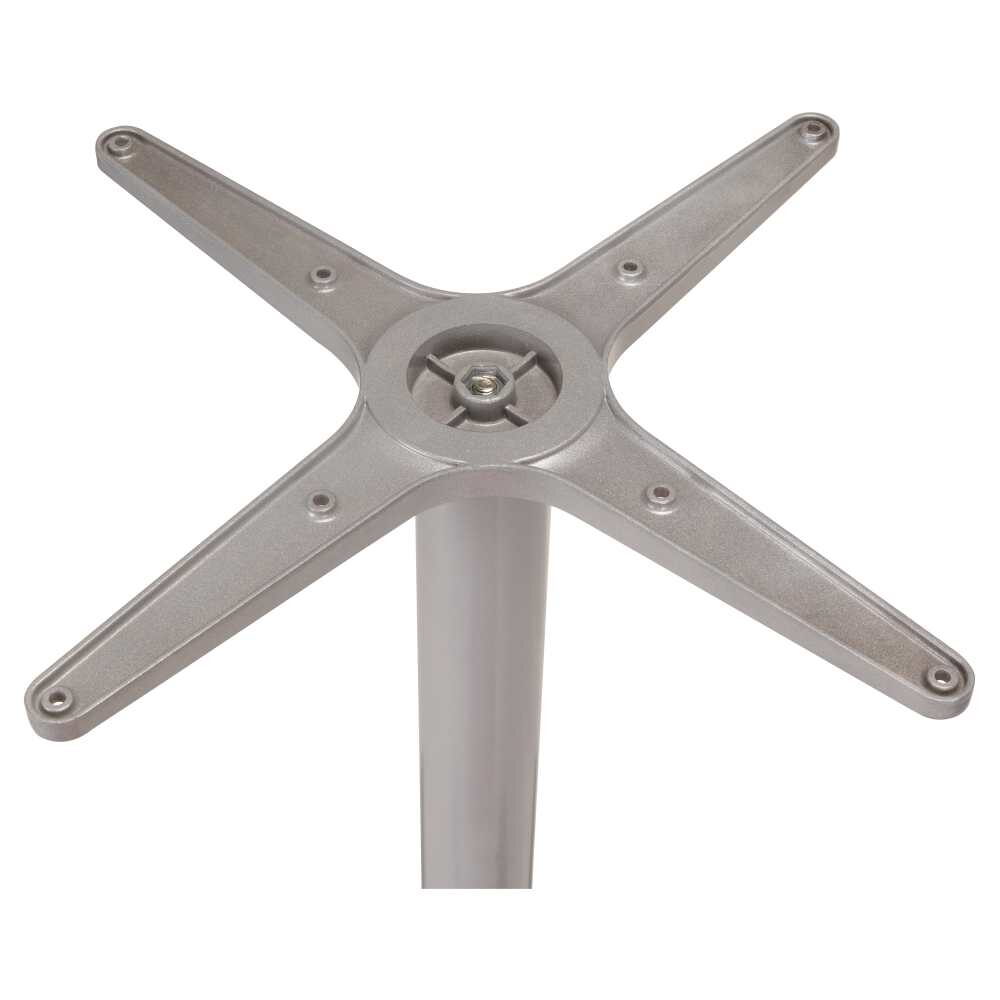
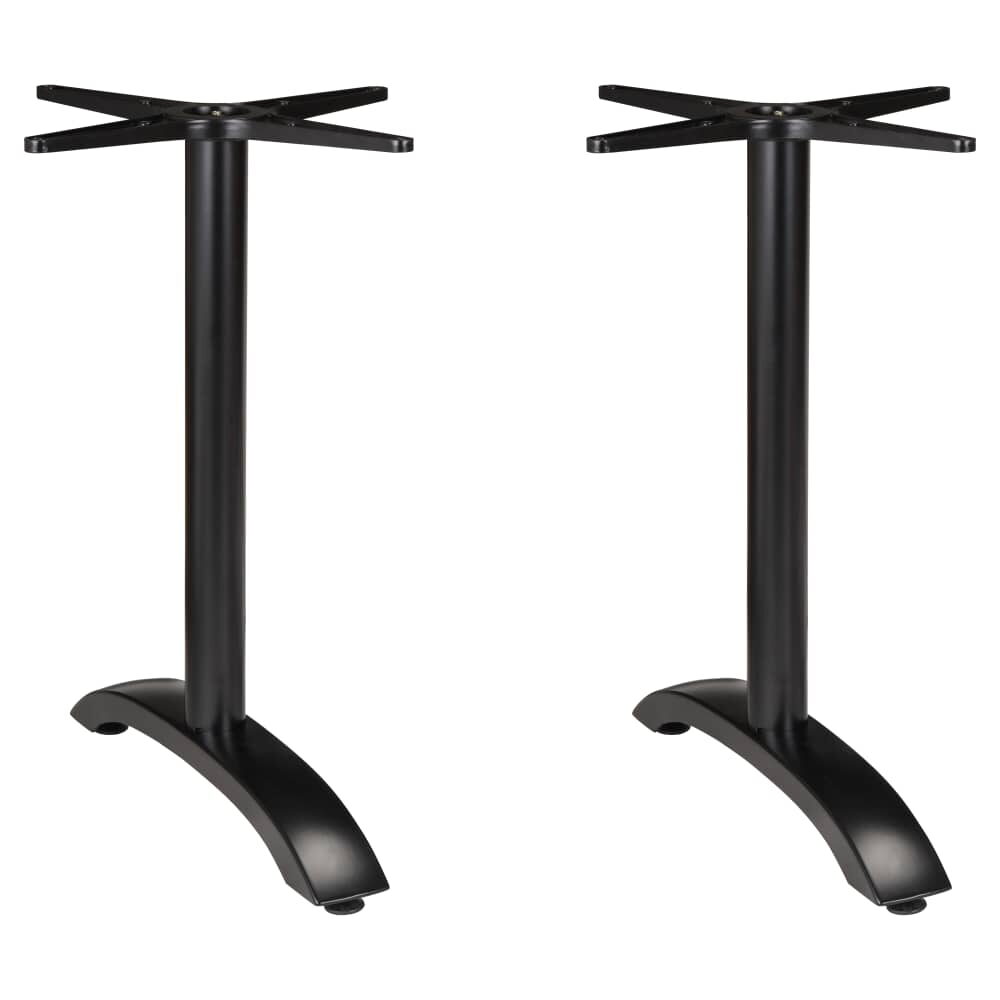
Actual product images. Open a piece to see its available options.
Table bases
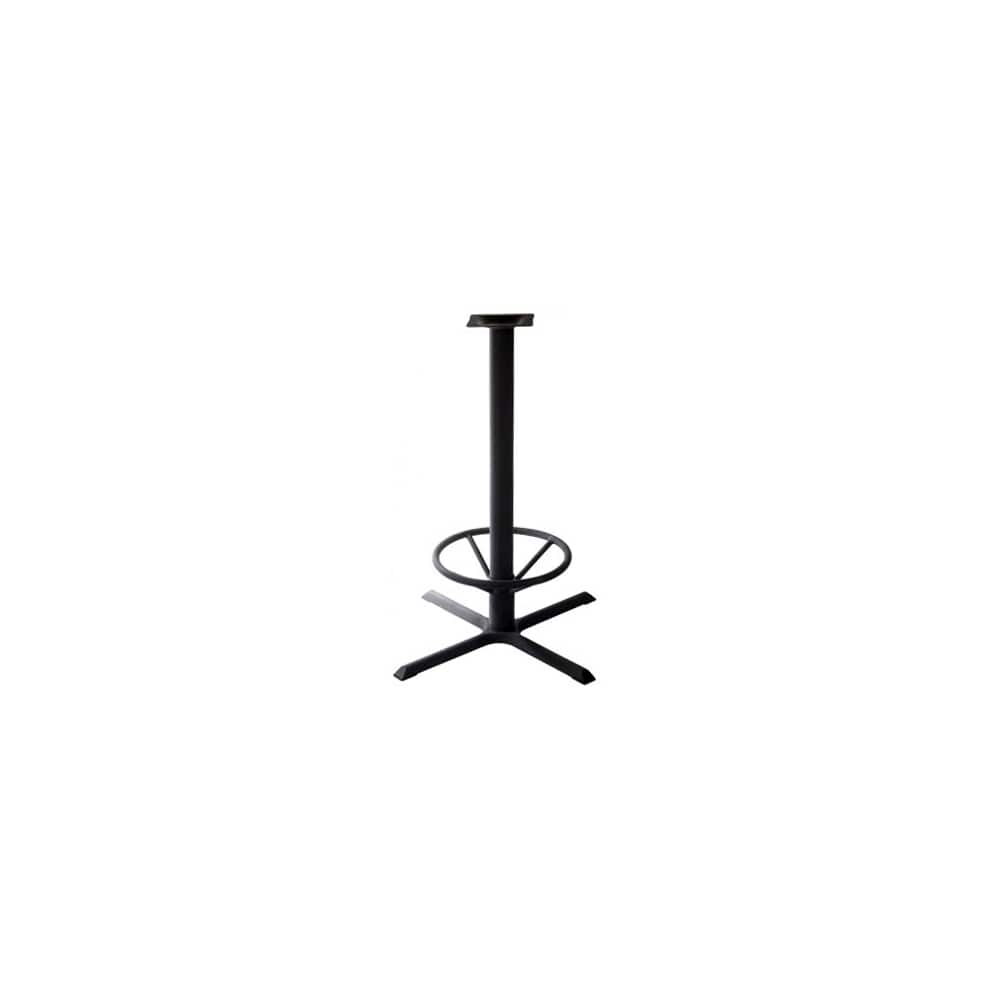
Table bases
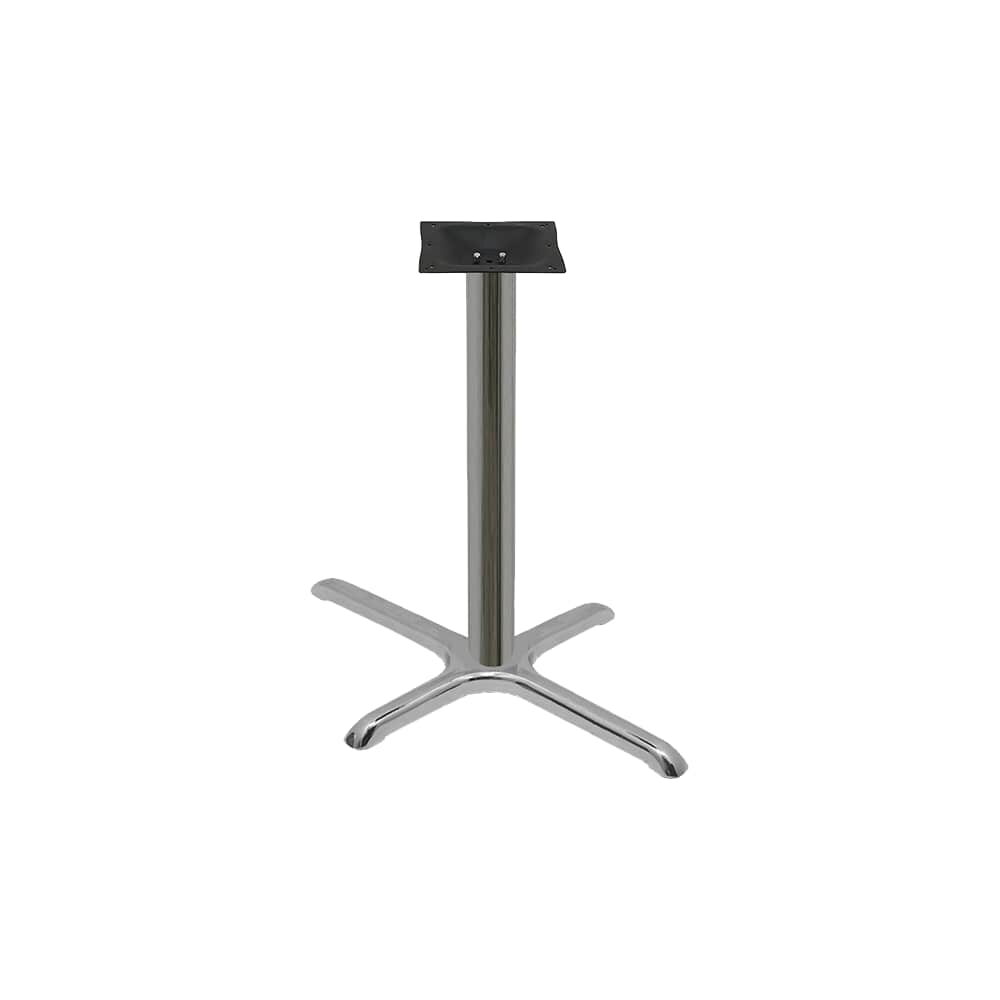
Table bases
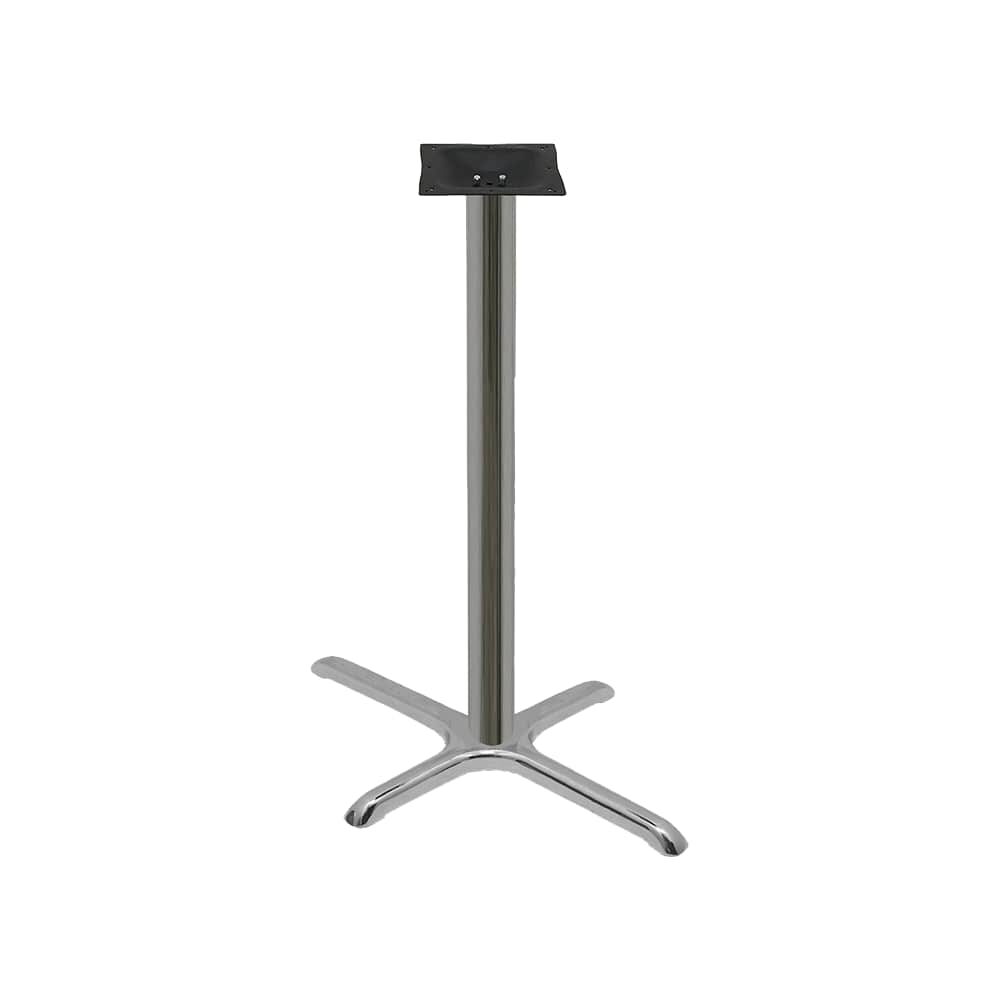
Table bases
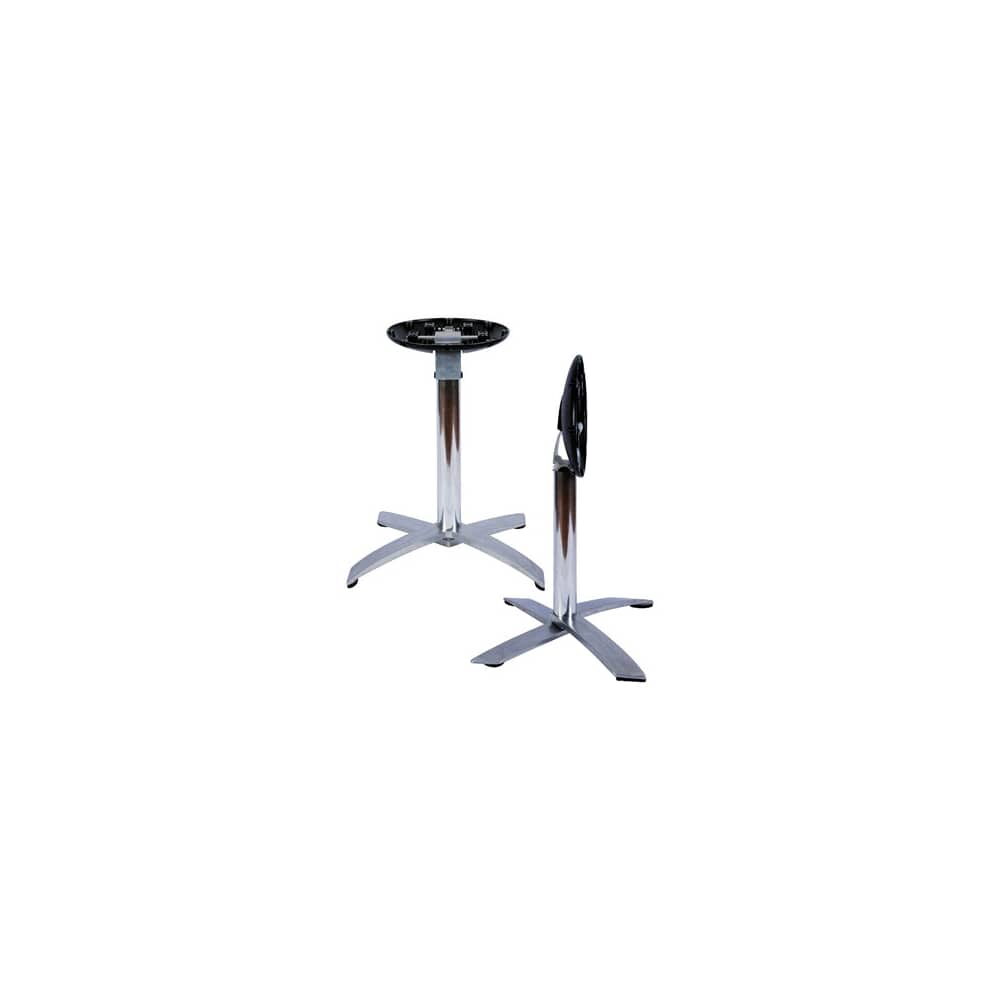
Table bases
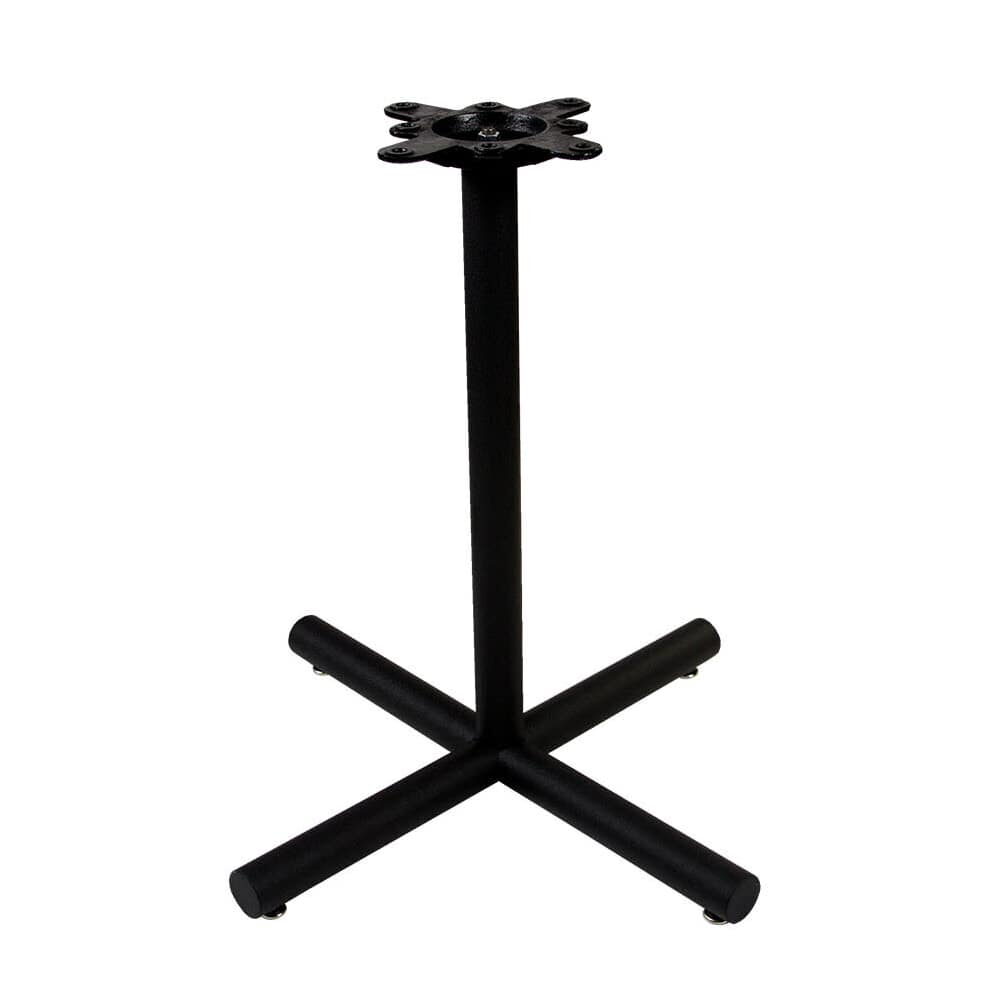
Table bases
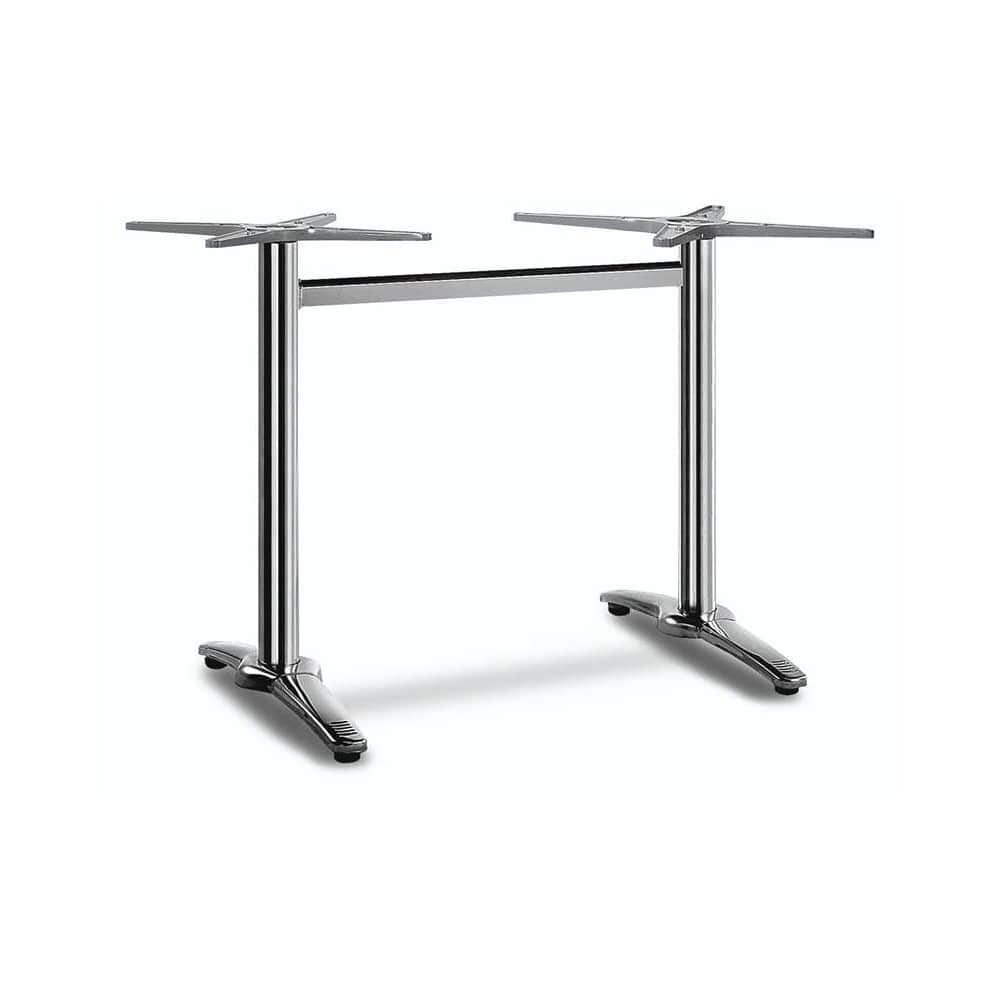
Table bases
Table bases
Table bases
Outdoor
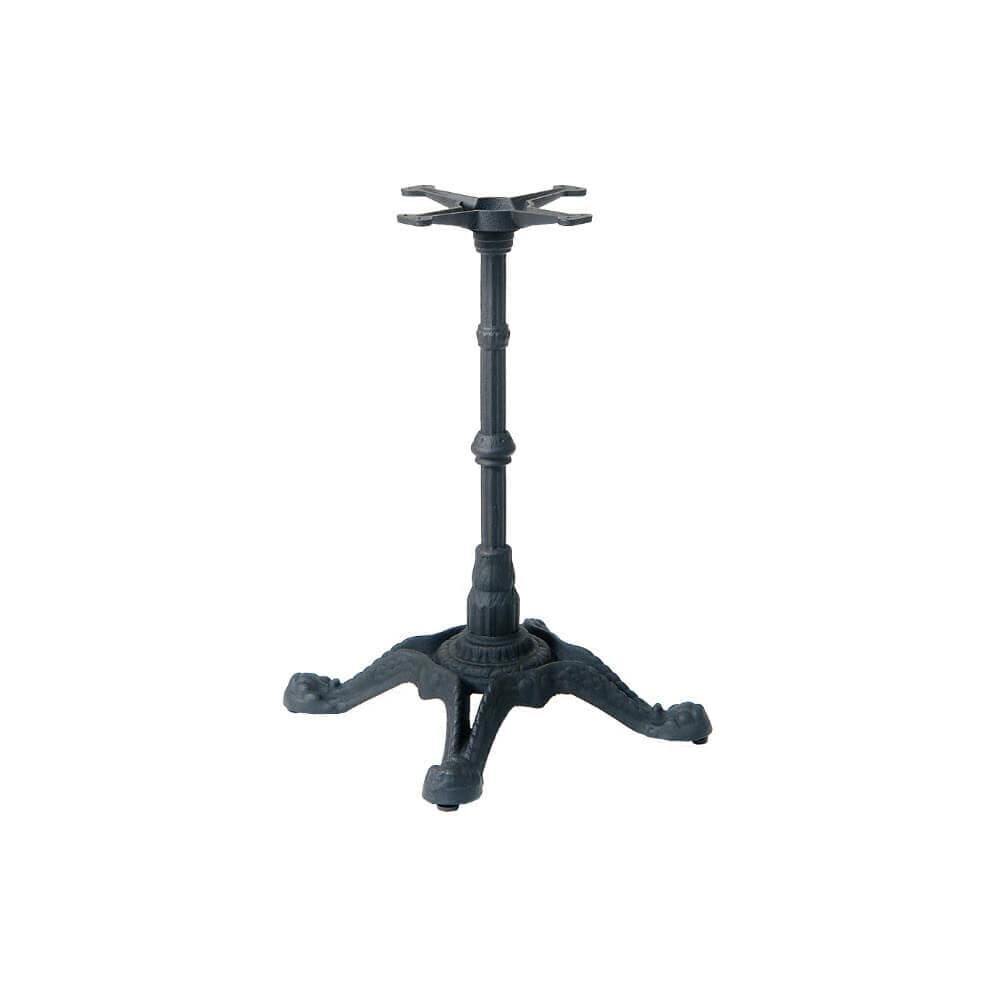
Table bases
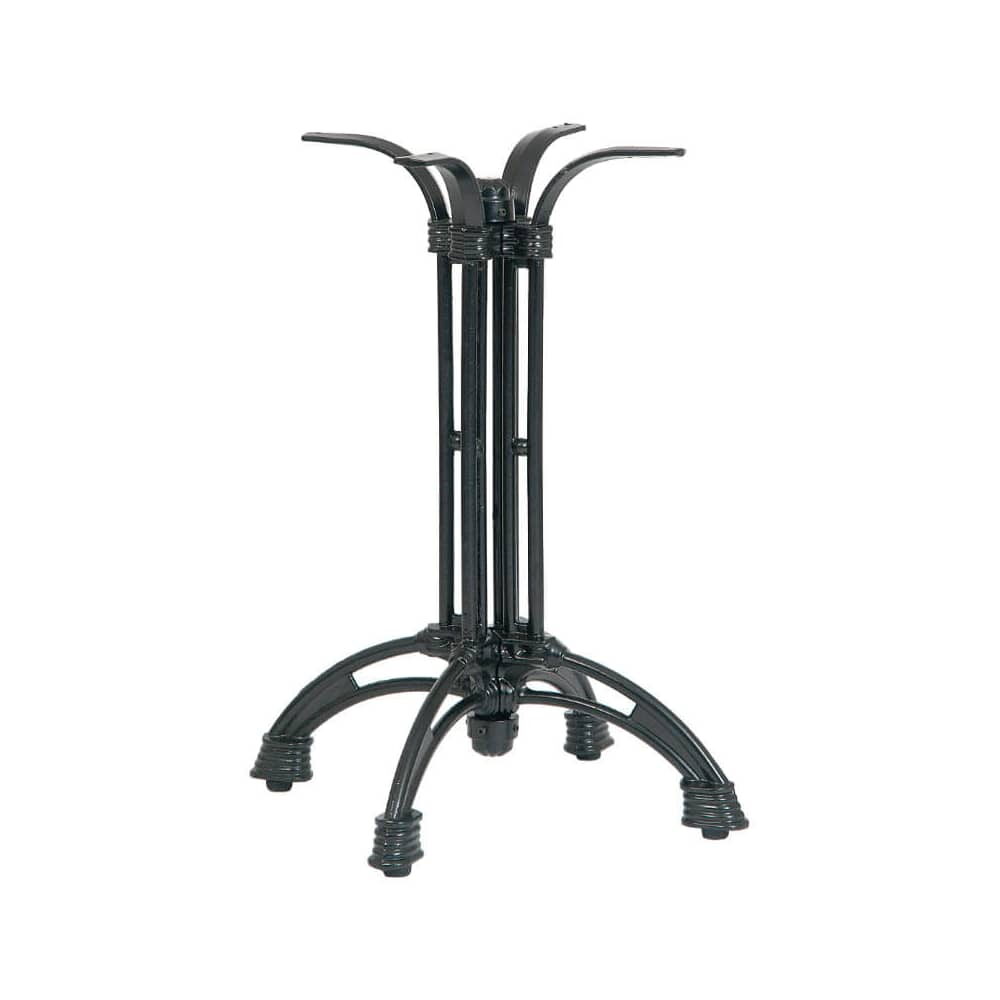
Table bases
Table bases
Table bases
Table bases
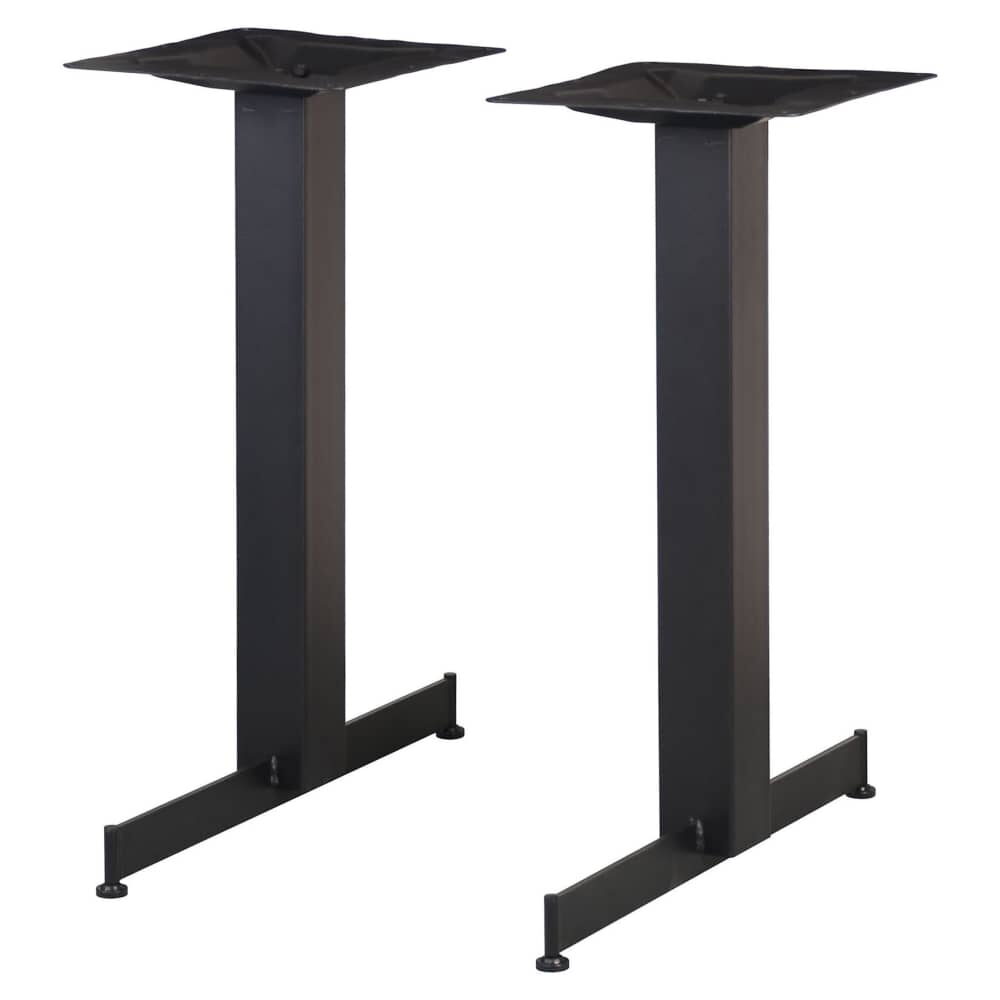
Table bases

Table bases
Table bases

Table bases

Table bases
X-prong table bases
Picture the piece at four in the afternoon, after the lunch line has been through. Check the seat height against your counter and the base spread against the top. Save the models that pass to a shop plan, with a note on where each one goes.
Four feet spread wide steady the top, so x-prong table bases suit the two-seat window table, square or rectangular; read the height and spread on each listing first.
Consider where the projecting feet fall beside the chairs and the cleaning route. Compare the stated spread and top compatibility rather than choosing an X-prong base by finish alone.
Review the base height, footprint, and stated top compatibility before choosing the finish. Check the top material and mounting requirements as part of the same decision.
An X-prong base puts four feet out toward the corners of the top, which is why it sits so well under a square or a rectangle. There are 20 here in aluminum, cast iron, steel and chrome. Start with the top you already have, then pick a base whose spread suits it and whose metal suits the room it will stand in.
A bistro table has one job: stay flat while a customer leans on it with both elbows. A single column with four arms reaching out toward the corners gives the top support where people press down. The wider the arms reach under the top, the less the edge dips when somebody leans.
Pair the base with the top before you choose a finish. A square top for two at 24 or 30 inches needs a smaller spread than a 36-inch square for four. Check the size listed on each base against the top you plan to set on it. A 30 by 48 rectangle for a party of four wants arms that reach well toward its long ends. Set the base, set the top, then sit at it and lean on the edge before you order a whole room of them.
The group splits four ways. Six bases are aluminum, five cast iron, five steel and two chrome.
Three examples show the range. There is a plain table support, an aluminum table support that comes in various dimensions, and a standard-height X-prong chrome table base for the bright counter.
Seven carry a patio listing. Those are the ones to put under a sidewalk table, and they still want a rinse now and then and storage at the end of the season. The rest belong indoors.
Prices start around $50 and reach $222, so a shop can buy a base for every two-seat table without much drama.
If the X shape is the wrong fit, round table bases sit better under a round top. Bases for a window bar are in bar-height table bases, and every metal is grouped under table bases.
Related reading