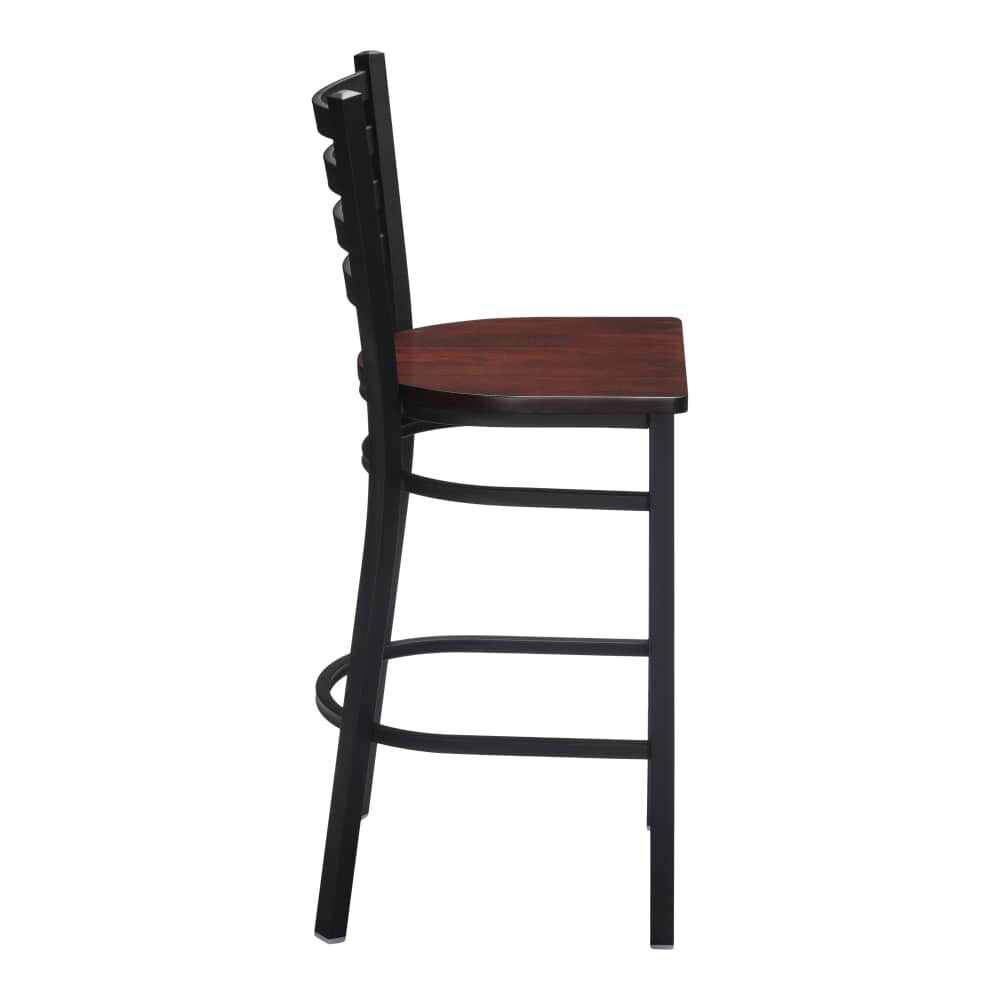
Bar stools
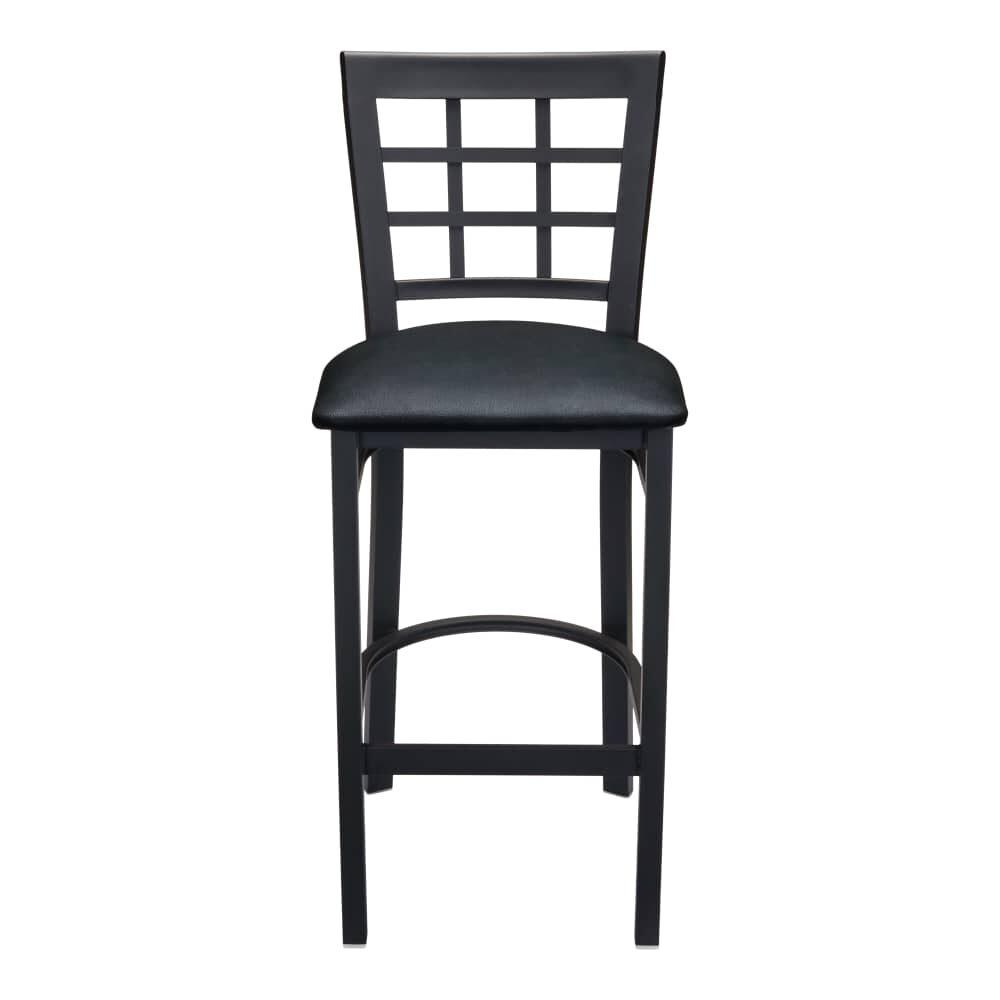
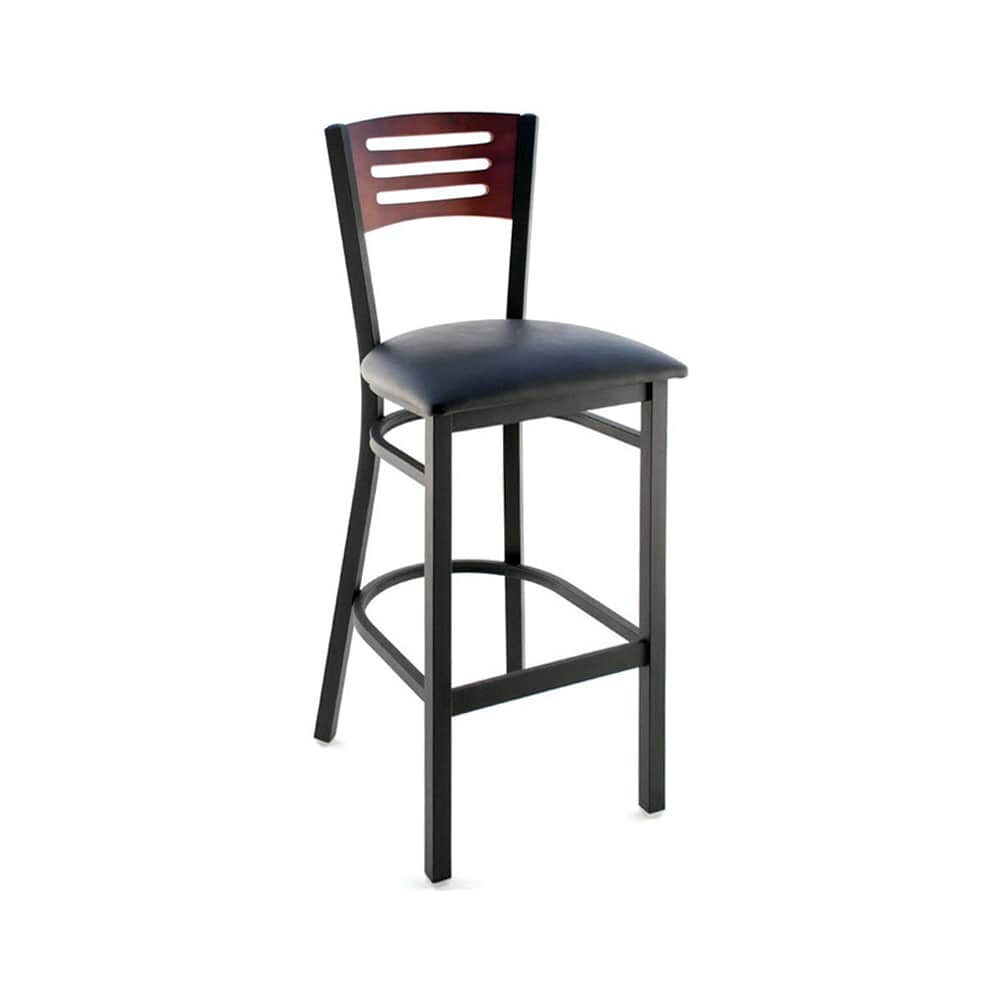
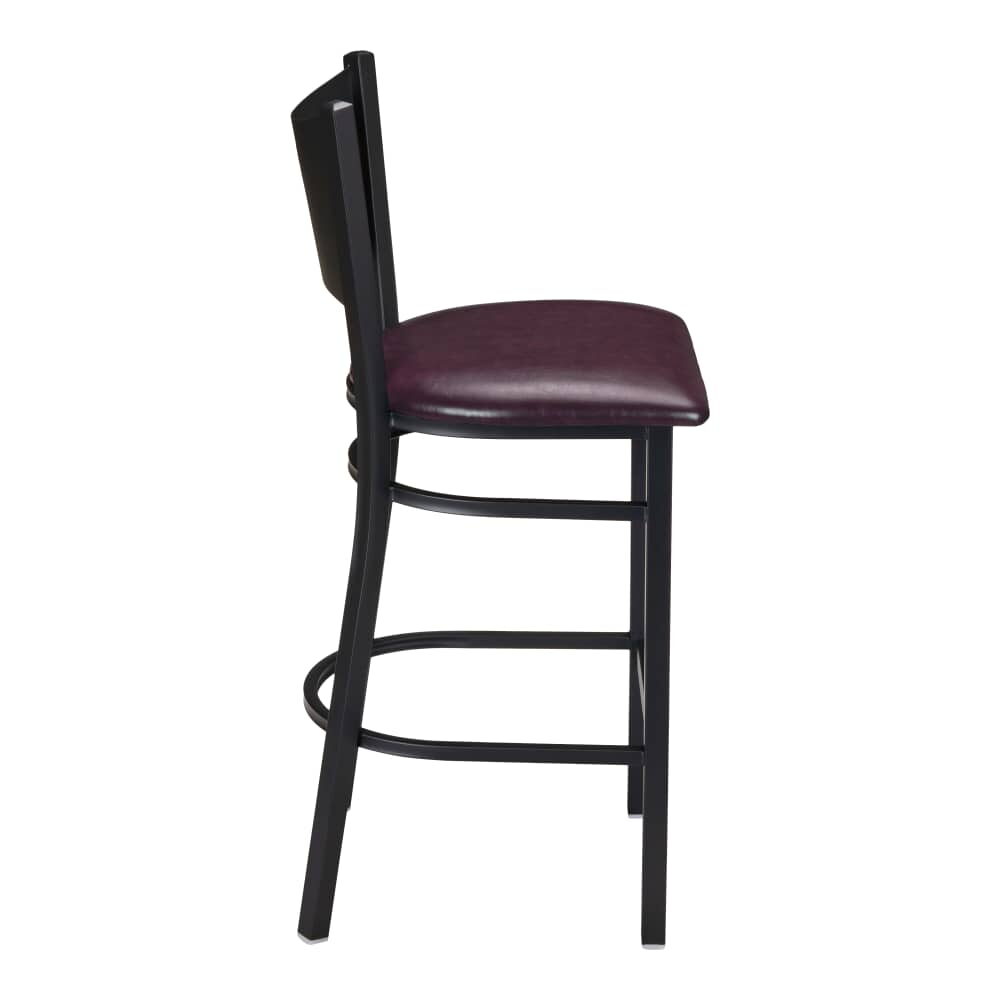
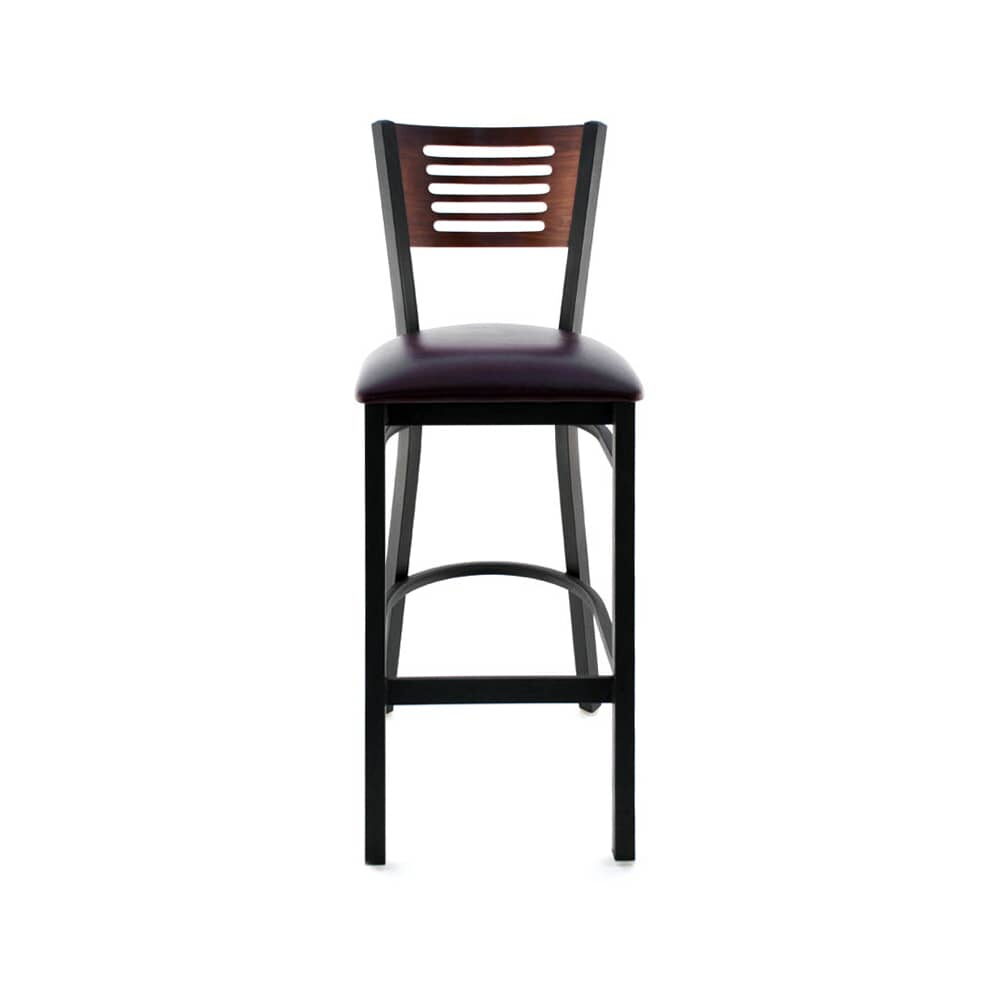
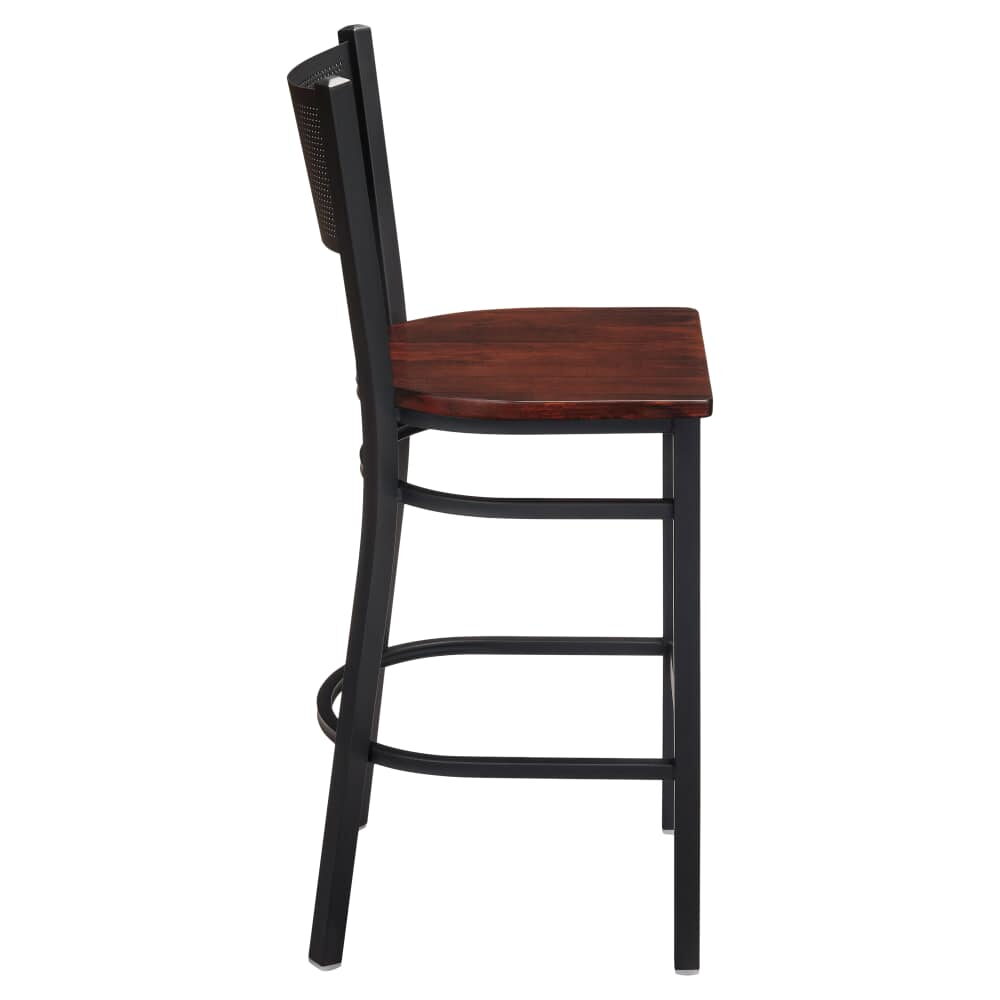
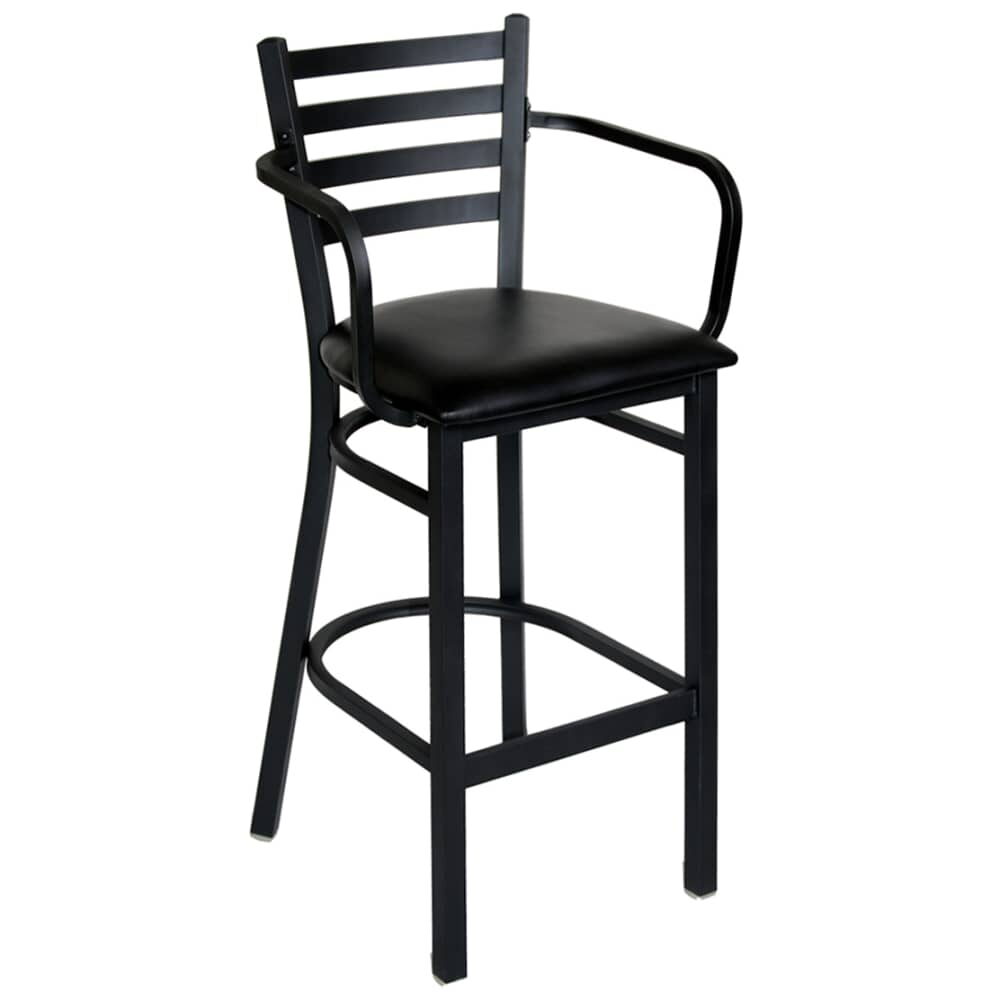
Wood Seat Metal Bar Stool, Ladder-Back
- Metal frame
- 17 1/4" W x 19" D x 42" H
- Indoor use
From $91.00Set options
ComparePick the piece for the job it does.
A metal stool is what most counters end up with: the frame is plain and the seat is yours to choose. These 121 stools are nearly all for indoor use, with seats in vinyl, wood or fabric.
121 listed products · Prices in USD · Options on each product
A closer look at this selection
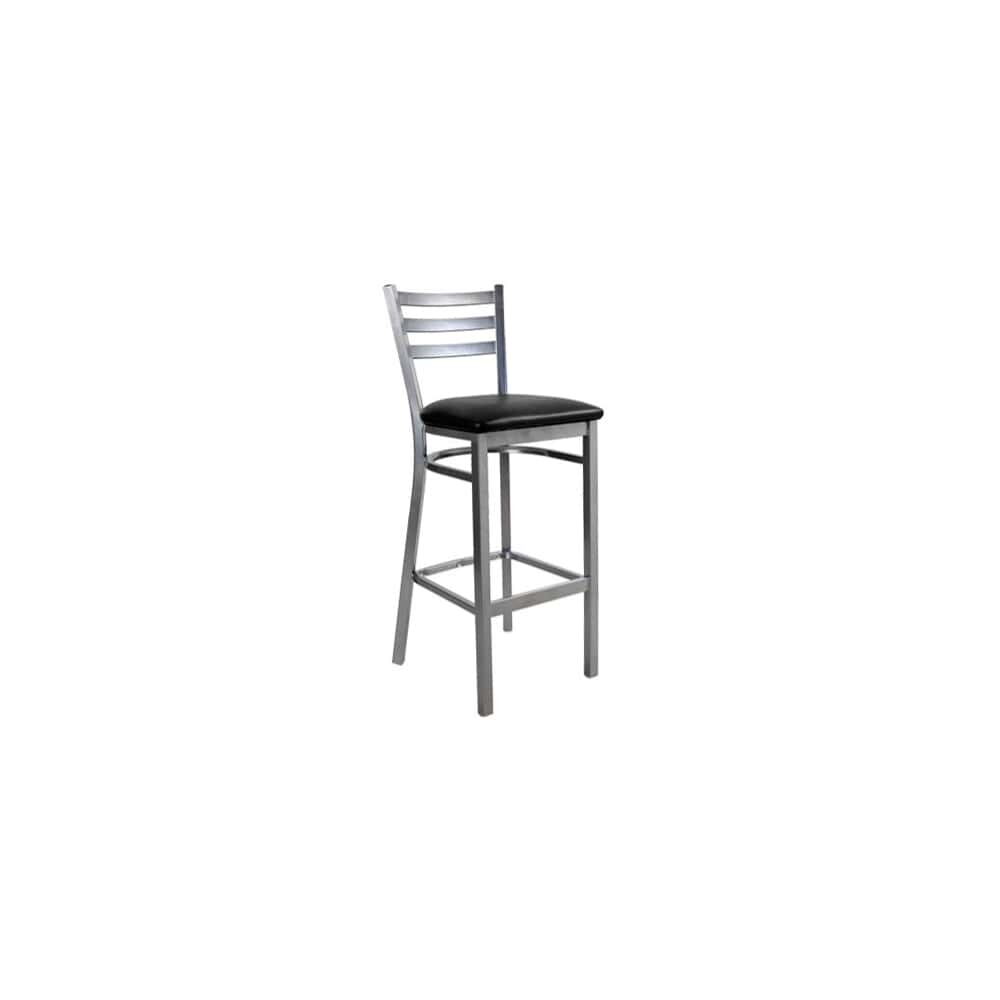
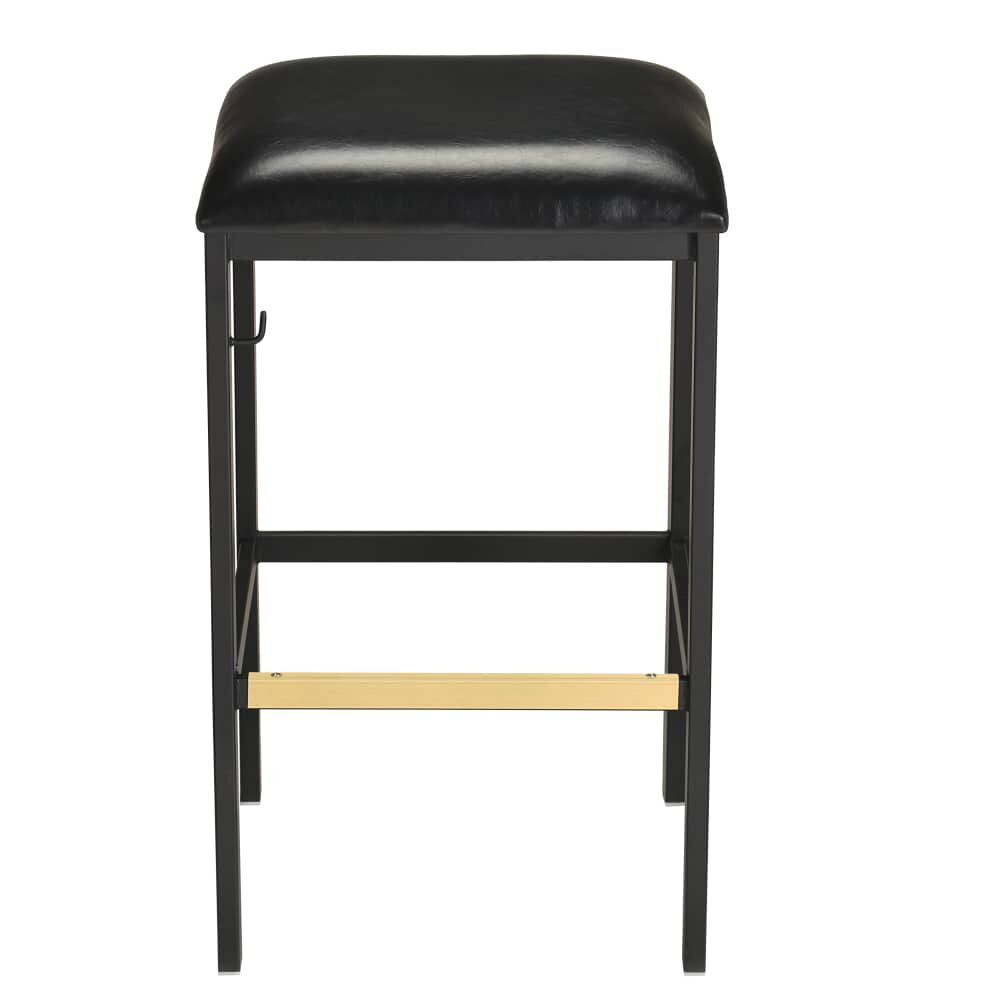

Actual product images. Open a piece to see its available options.
Bar stools
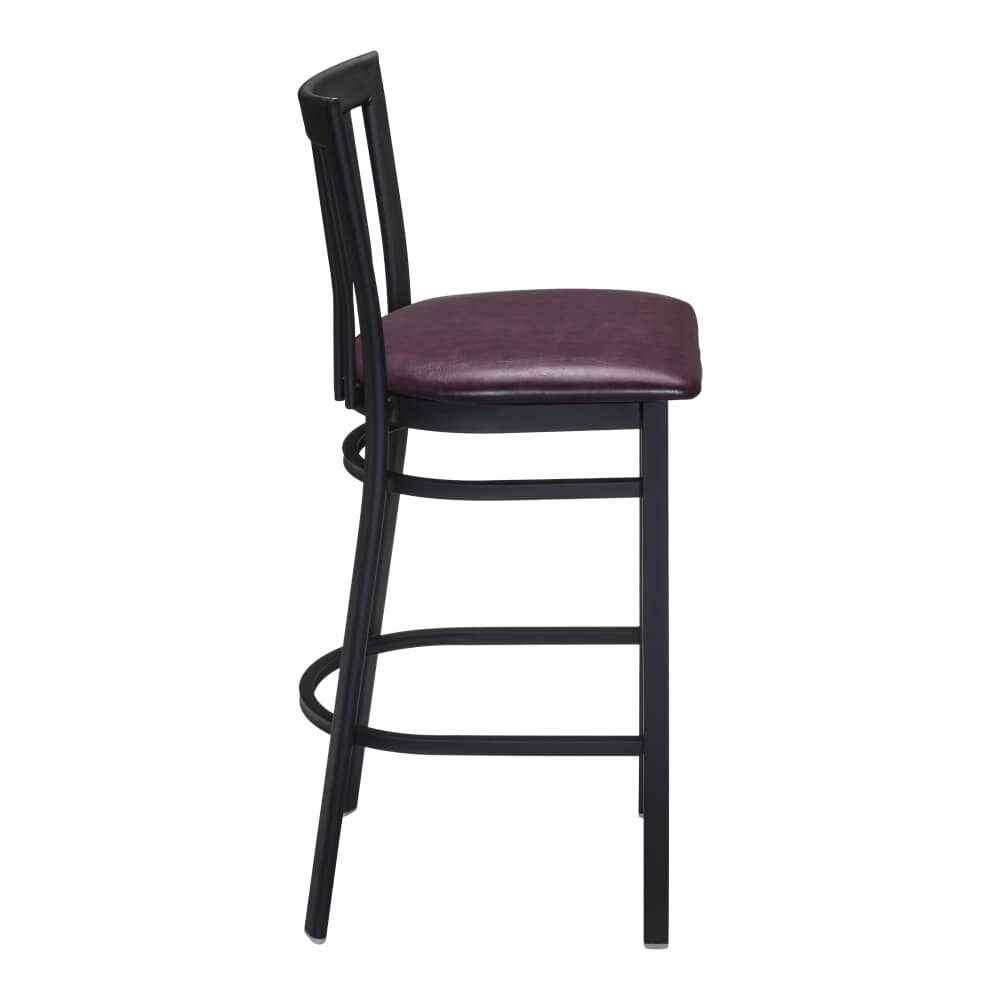
Bar stools
Bar stools

Bar stools
Bar stools
Bar stools
Bar stools
Bar stools
Bar stools
Bar stools
Bar stools
Bar stools
Bar stools
Bar stools
Bar stools
Bar stools
Bar stools
Bar stools
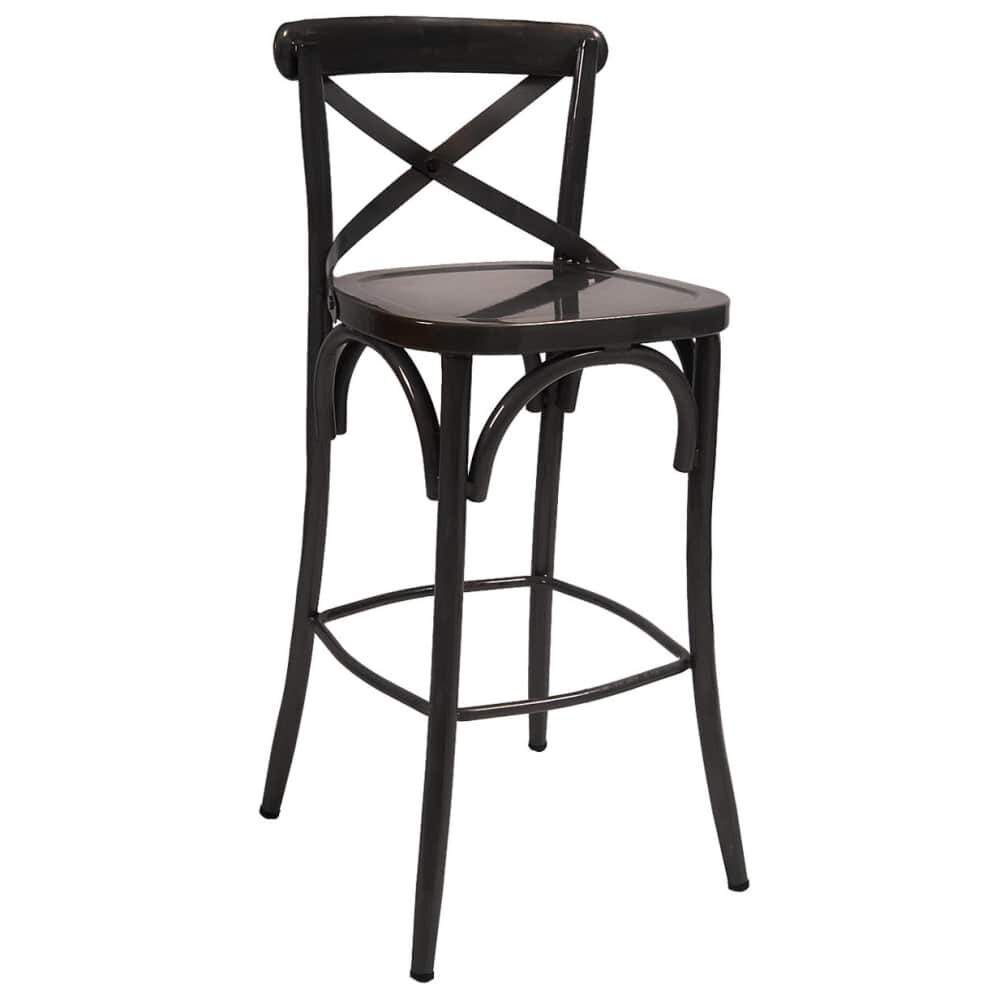
Bar stools
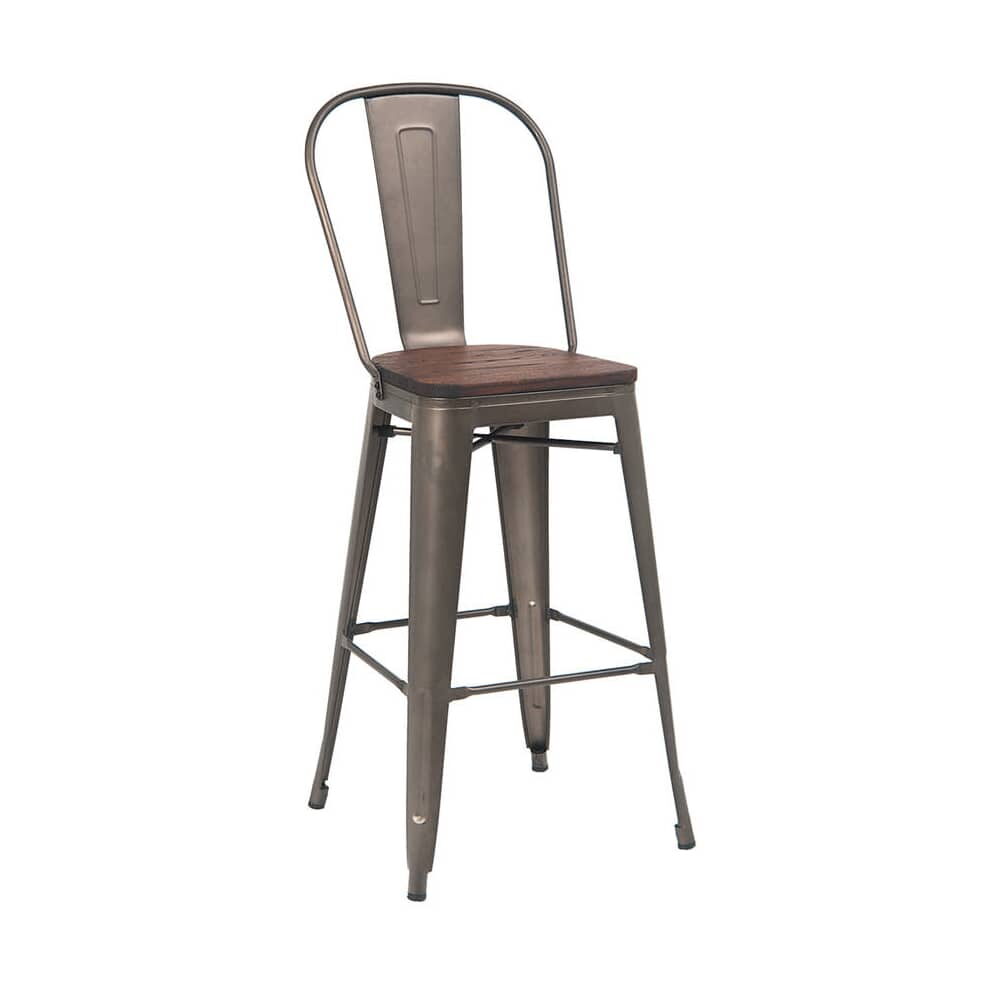
Bar stools
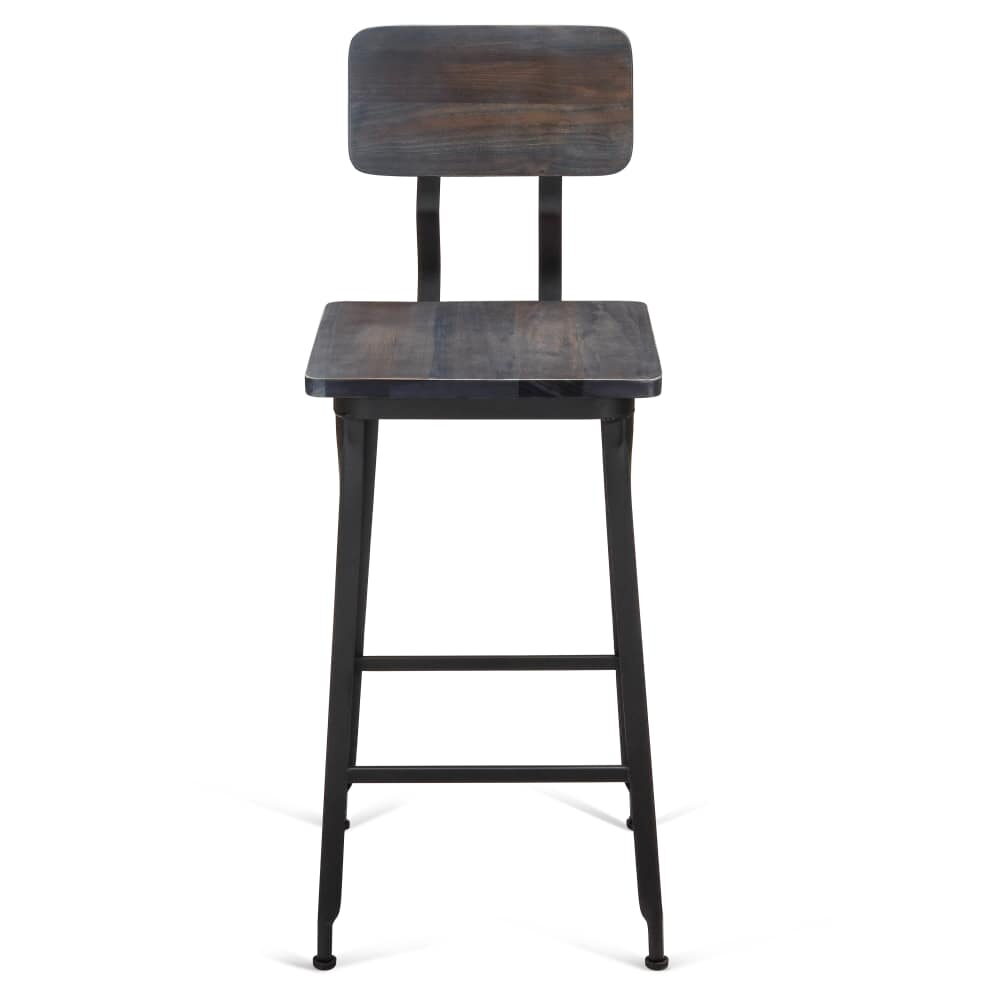
Bar stools
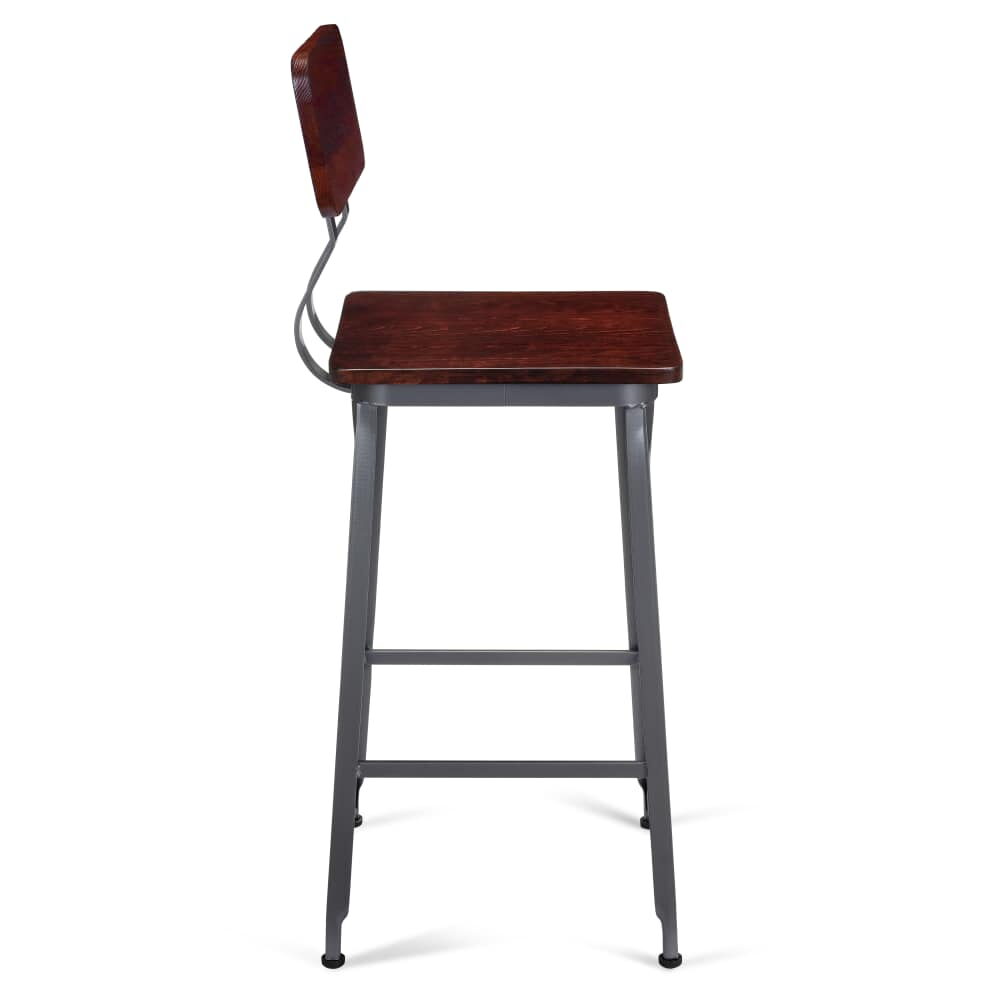
Bar stools
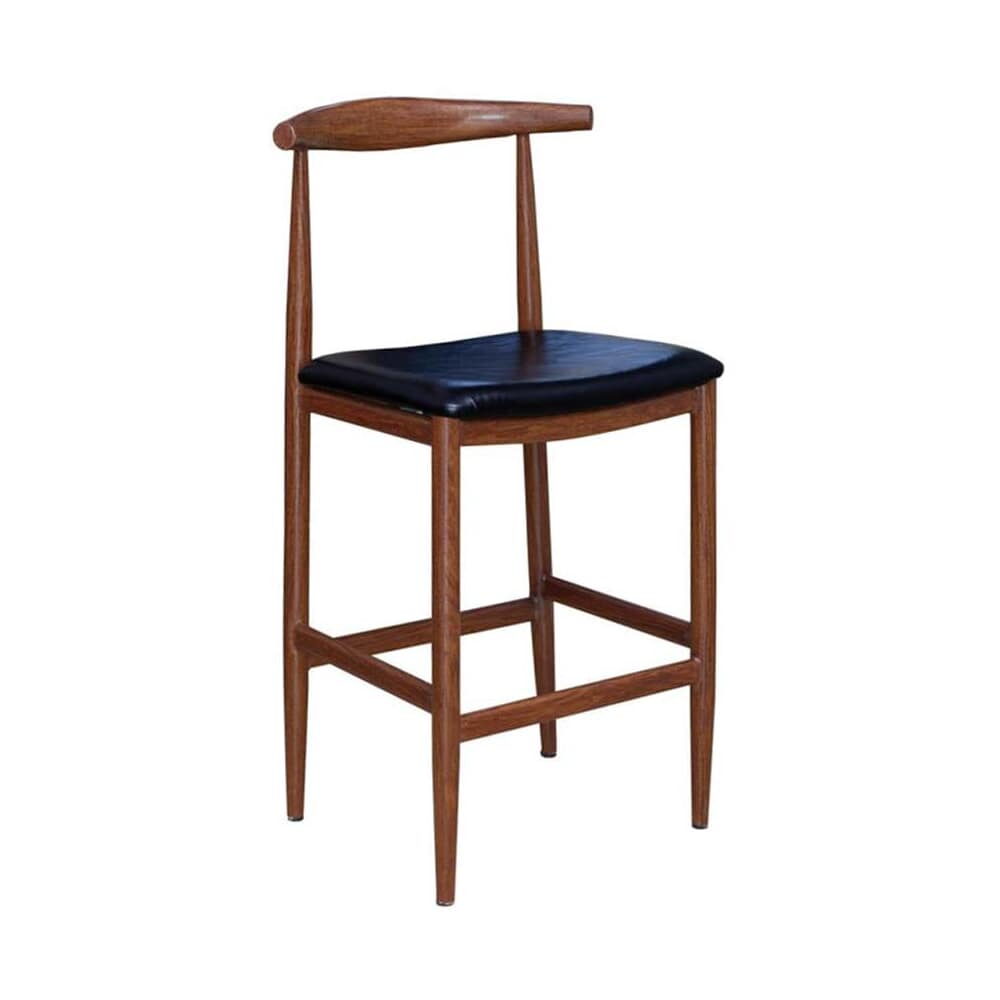
Bar stools
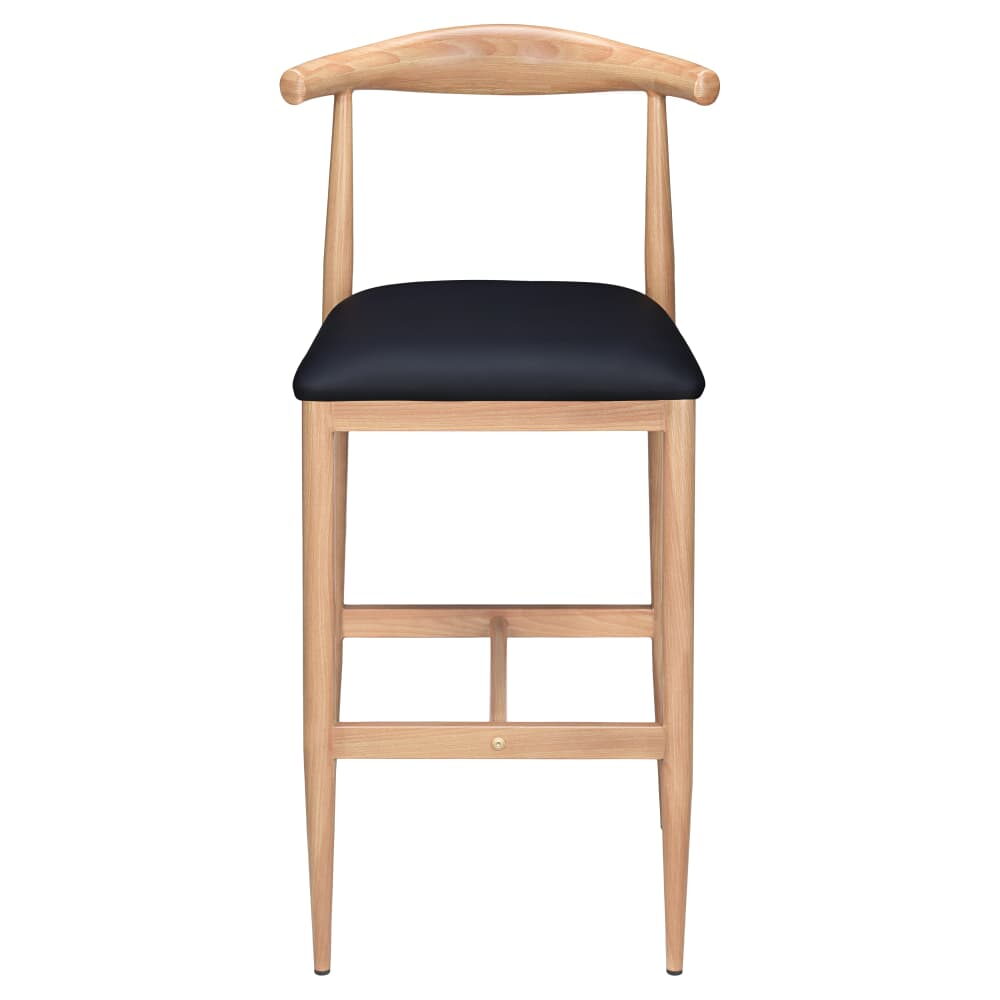
Bar stools
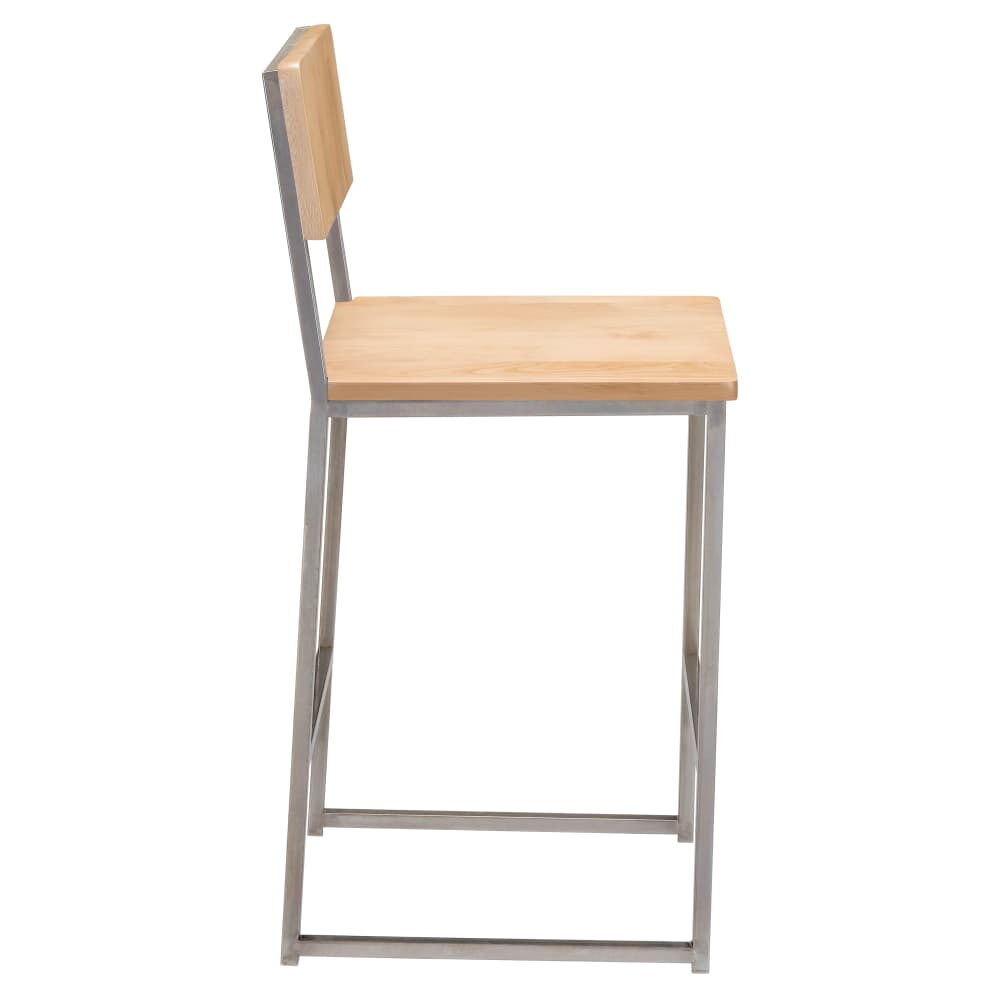
Bar stools
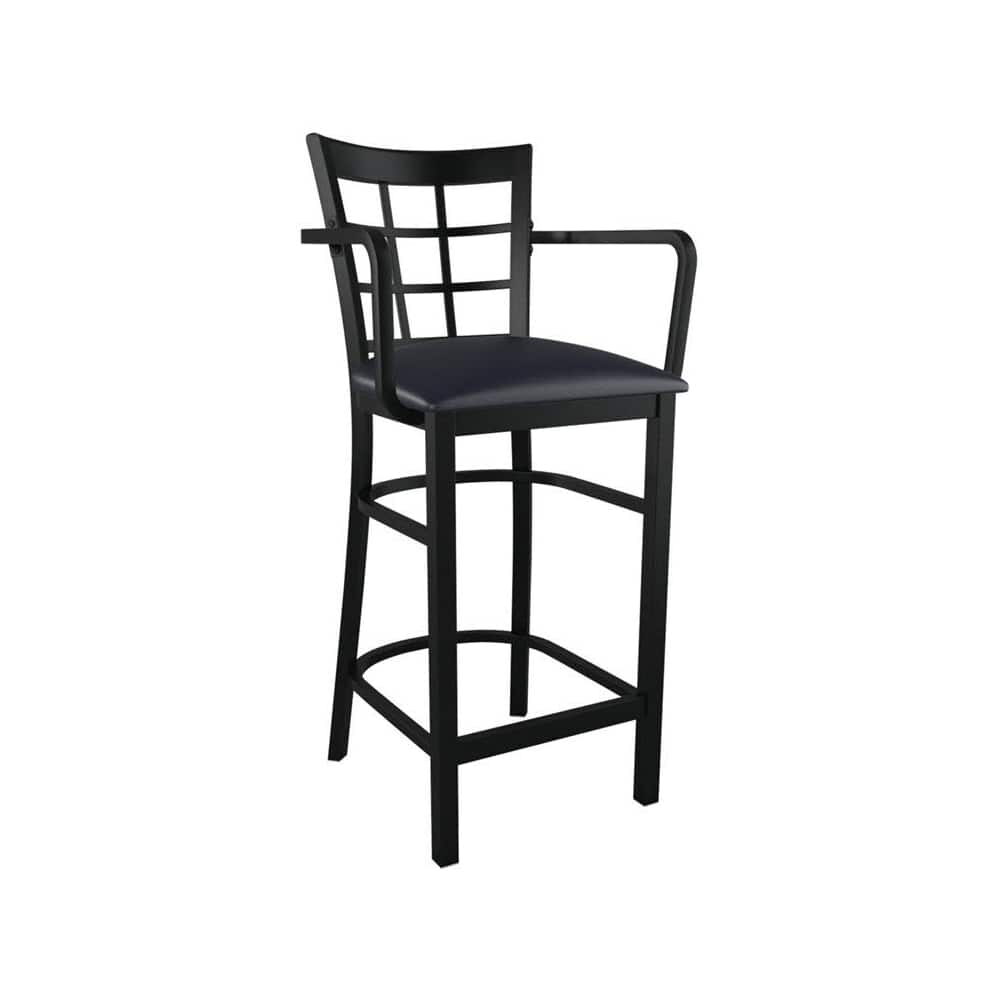
Bar stools
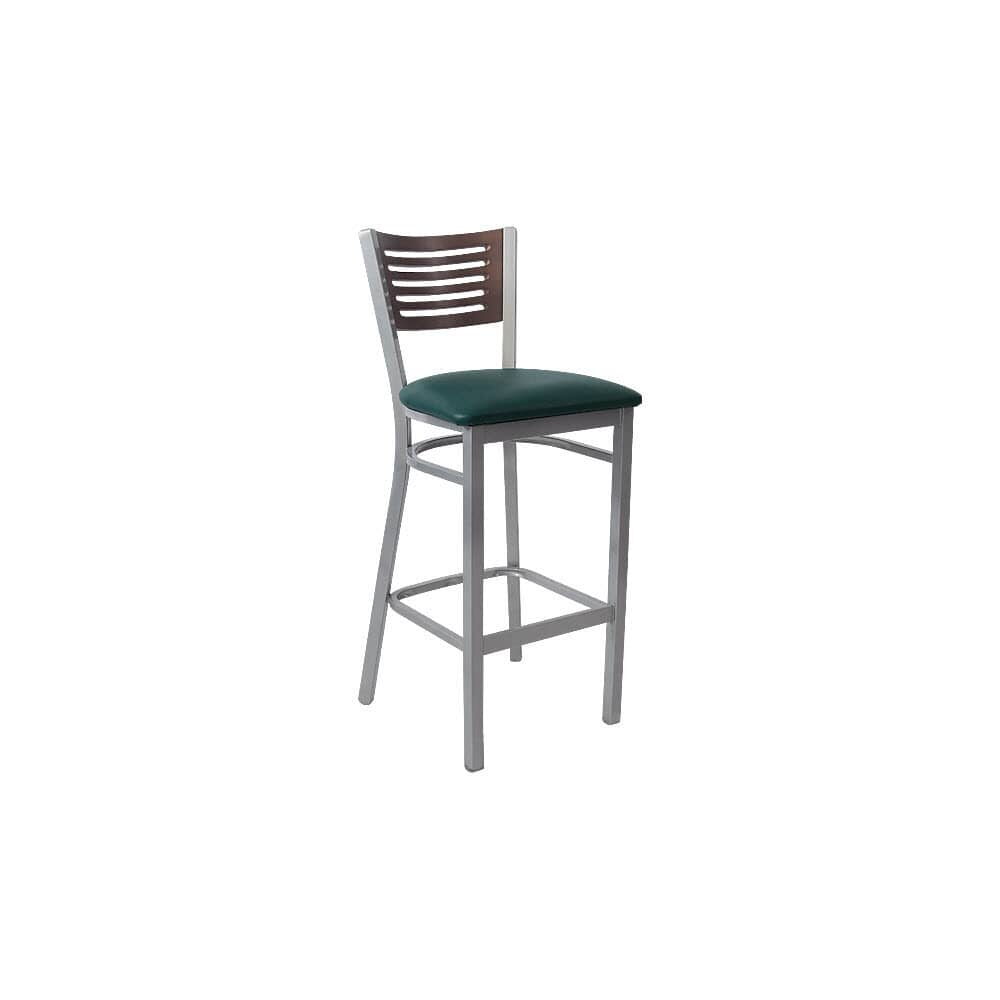
Bar stools

Bar stools
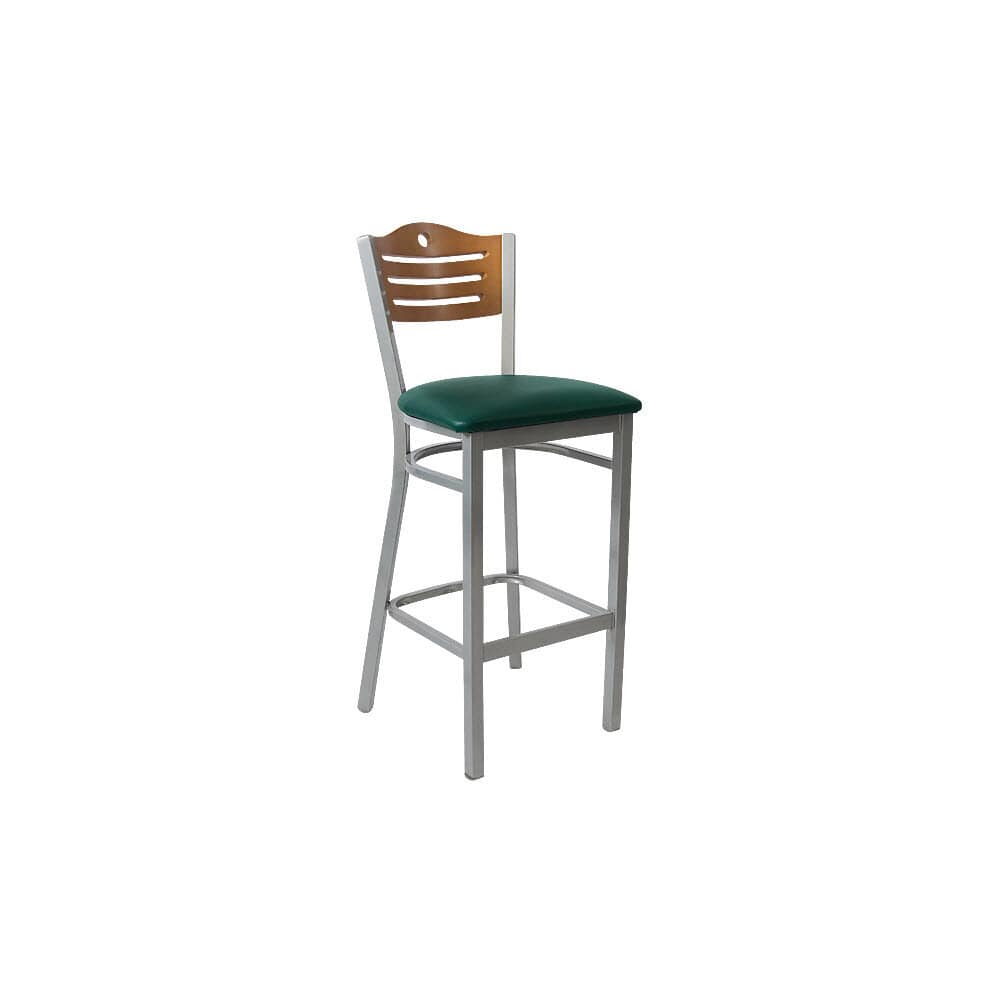
Bar stools
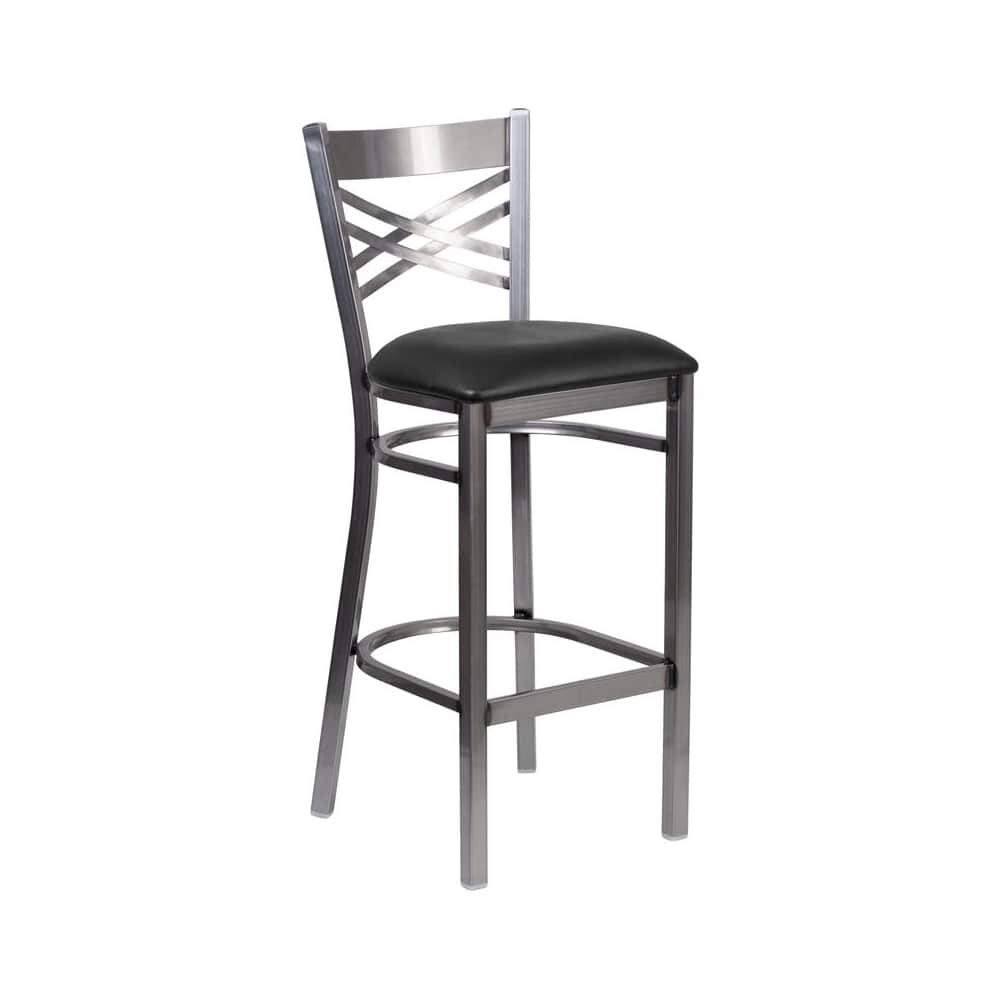
Bar stools
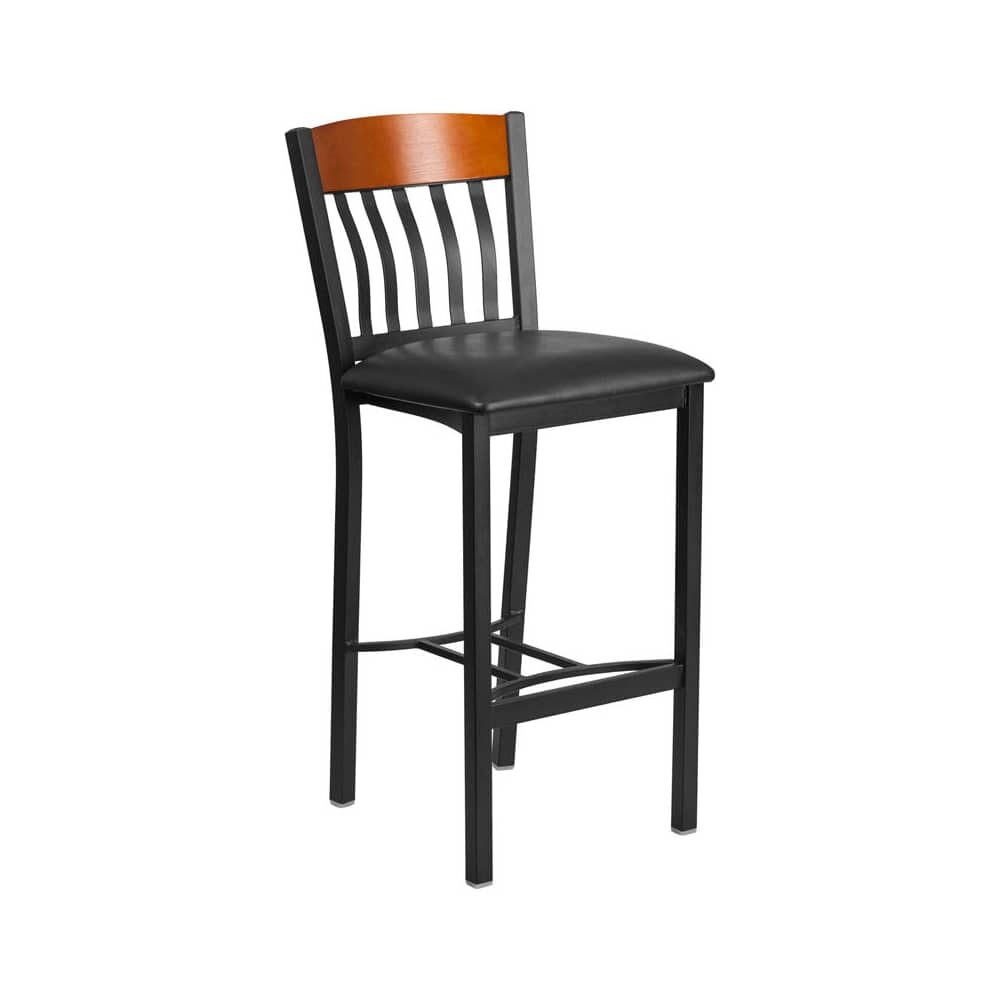
Bar stools
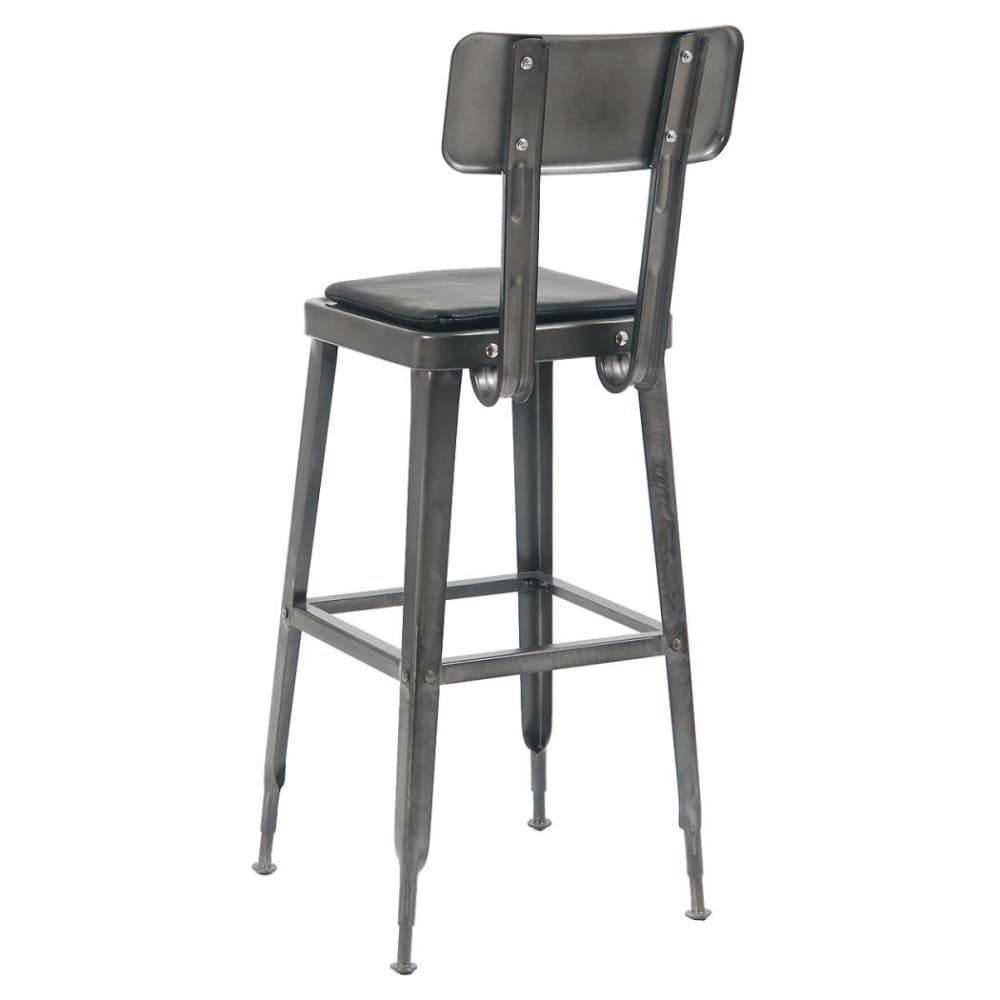
Bar stools
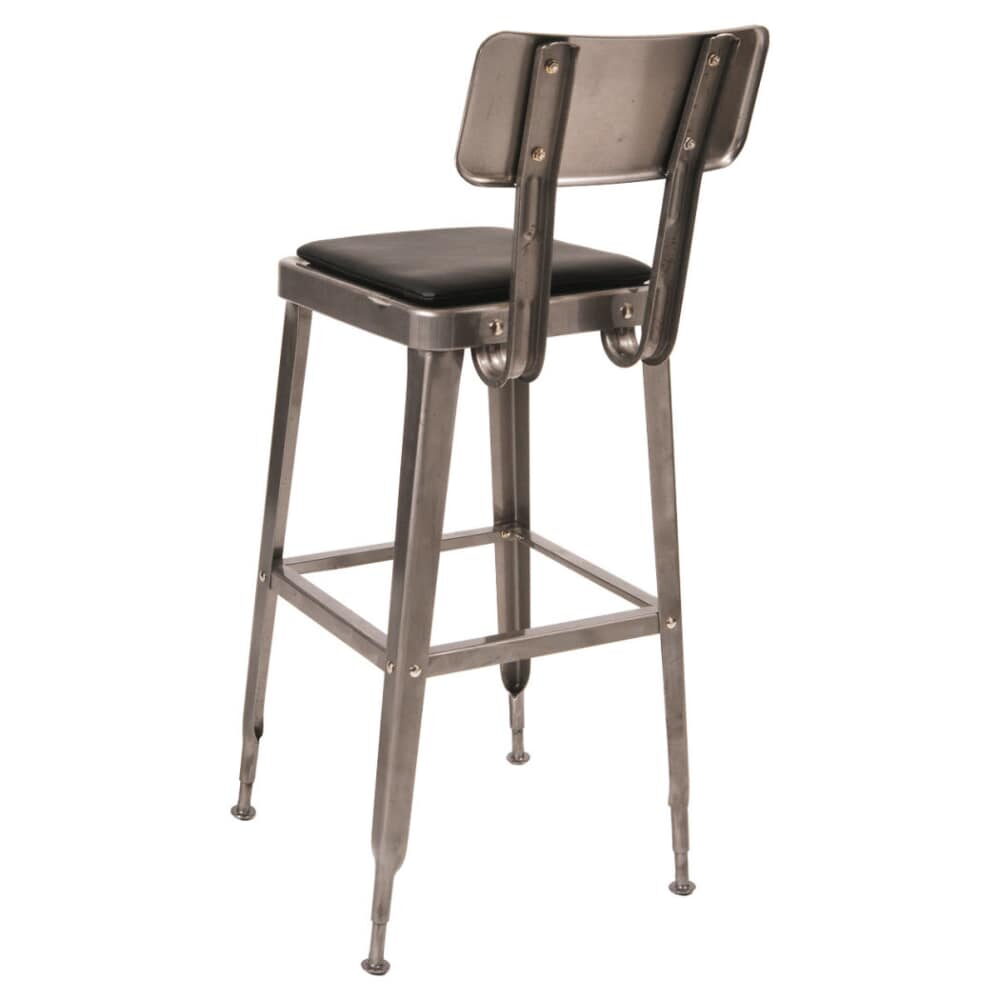
Bar stools
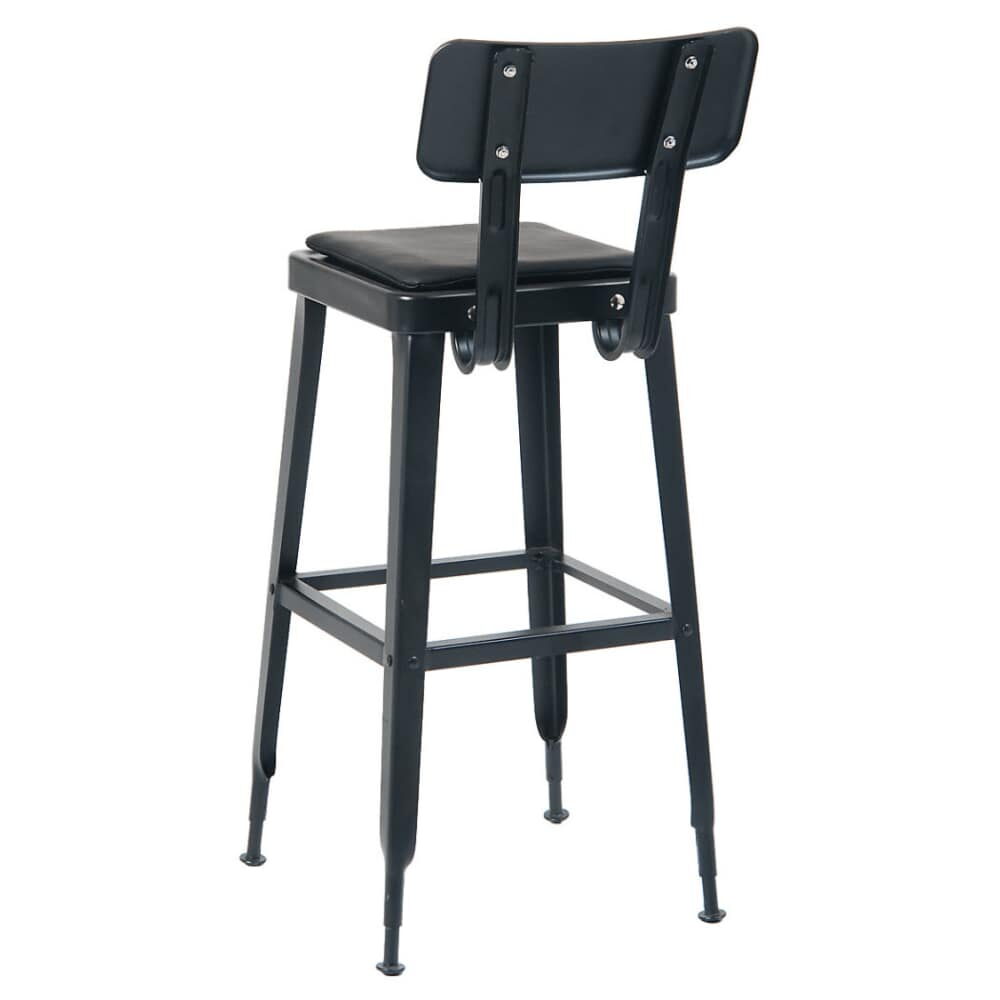
Bar stools
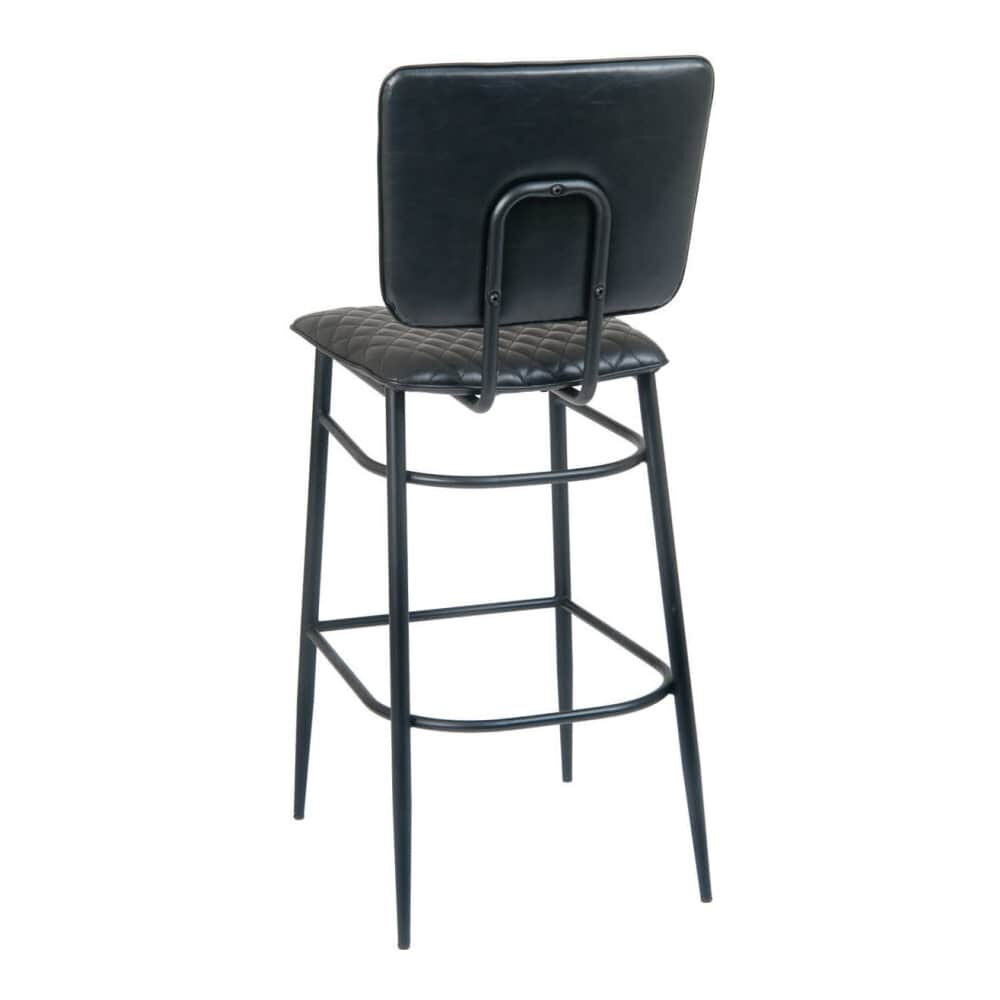
Bar stools
Bar stools
Metal bar stools
Picture the piece at four in the afternoon, after the lunch line has been through. Check the seat height against your counter and the base spread against the top. Save the models that pass to a shop plan, with a note on where each one goes.
Tape the height of your ledge before scrolling metal bar stools, then look for a seat about 10 to 12 inches below it so knees clear the underside.
Compare the stated frame material and the available finish, including coated or wood-look options where offered. Keep those descriptions separate: the appearance of a finish does not change the underlying frame material.
Check the listed seat height against the counter or bar where the stool will be used. Measure the underside as well as the top surface, and account for aprons and footrests.
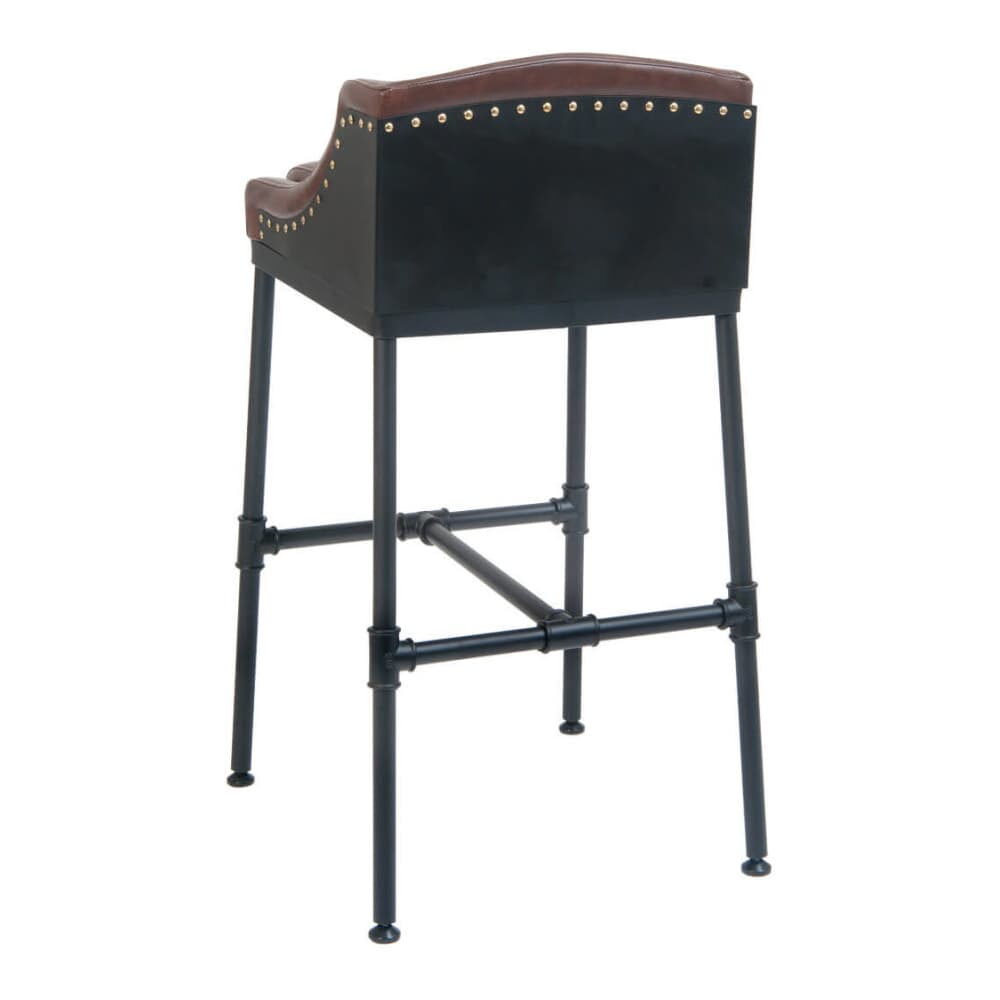
A metal stool is what most counters end up with: the frame is plain and the seat is yours to choose. These 121 stools are nearly all for indoor use, with seats in vinyl, wood or fabric. Check the seat height first; the listed ones sit around 28 1/2 to 31 inches, right for a bar or window ledge rather than a low counter.
Bar height is the default here. A ledge sitting 40 to 42 inches up calls for a seat around 29 to 31, and that gap is what keeps knees off the underside. Measure your ledge with a tape, not from memory, and measure it at two or three points if the floor runs uneven.
For a counter at 34 to 36 inches you need seats of 24 to 26 inches, and that is a different stool altogether. The counter stools are the place for that.
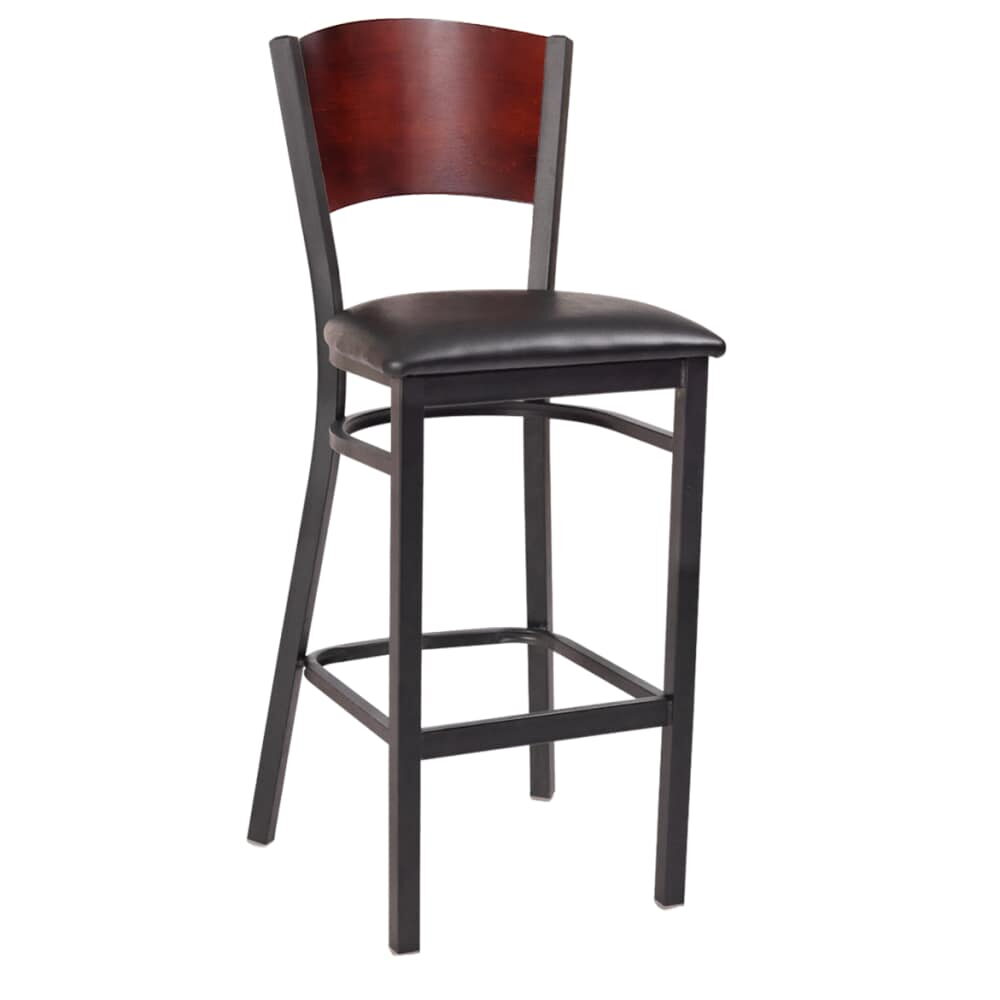
Some swivel, most do not. A swivel is kind to your floor, because nobody drags the stool to turn around, and the swivel bar stools collect them all. Backs run from padded and bucket shapes to curved, interchangeable, ladder and square backs. A padded back holds a regular longer. A plain back clears faster.
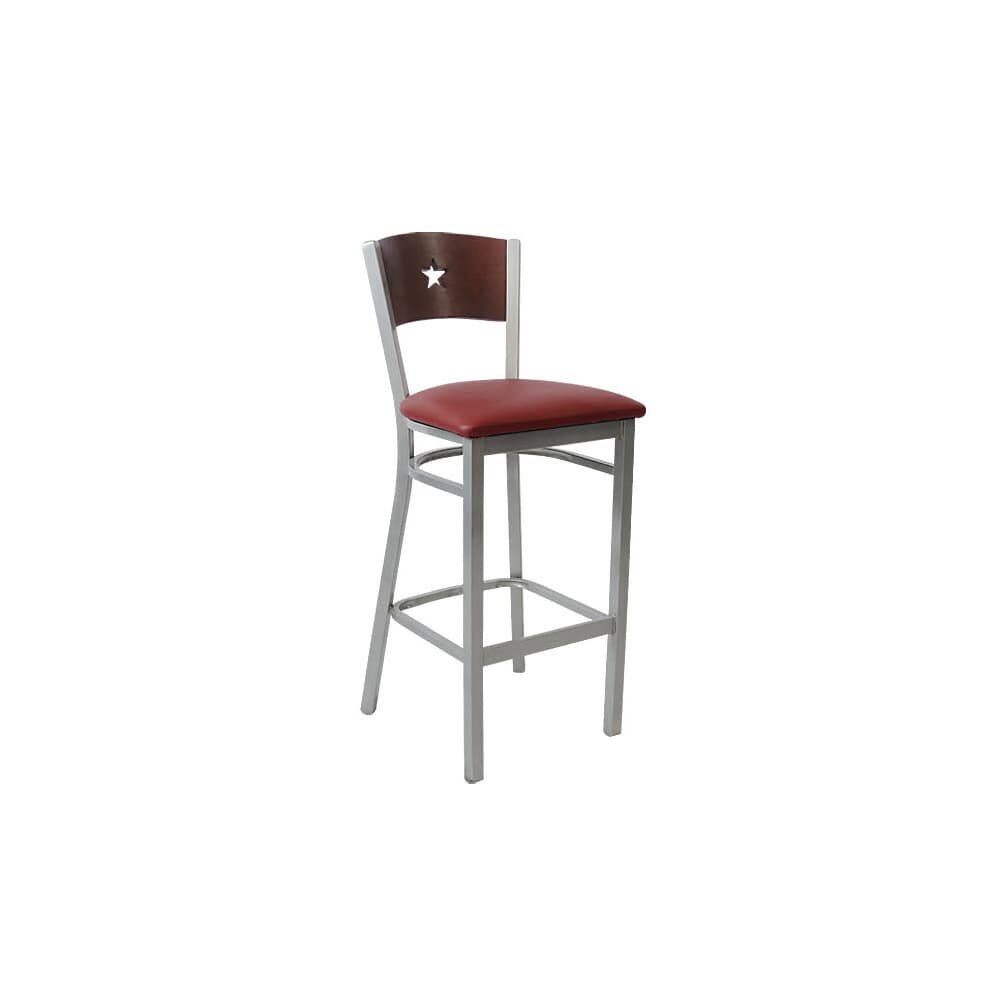
Vinyl leads the seats by a long way, then wood, then fabric. Many listings let you choose the cover apart from the frame, so ask for a swatch before you order a full counter.
Set the stools 24 to 30 inches apart, measured from one seat's middle to the next. On a 10-foot window ledge that comes to four or five stools, depending on how wide the seats are and how friendly your regulars feel. Leave the end of the ledge by the door a little clear, because that is where people stand while they wait for a takeout order.
A ladder-back metal bar stool, a little over 17 inches wide, is about as compact as the group gets. Prices range from about $91 to $316.
For a ledge where the stools should vanish under the top, look at the backless bar stools. The industrial bar stools lean toward bare metal and wood seats, and the upholstered bar stools toward padding. All of them sit under bar and counter stools.
Put the ledge length and stool count on your shop plan. When the second shop opens with a longer window, change one number and keep the stool.
Related reading