Bar stools
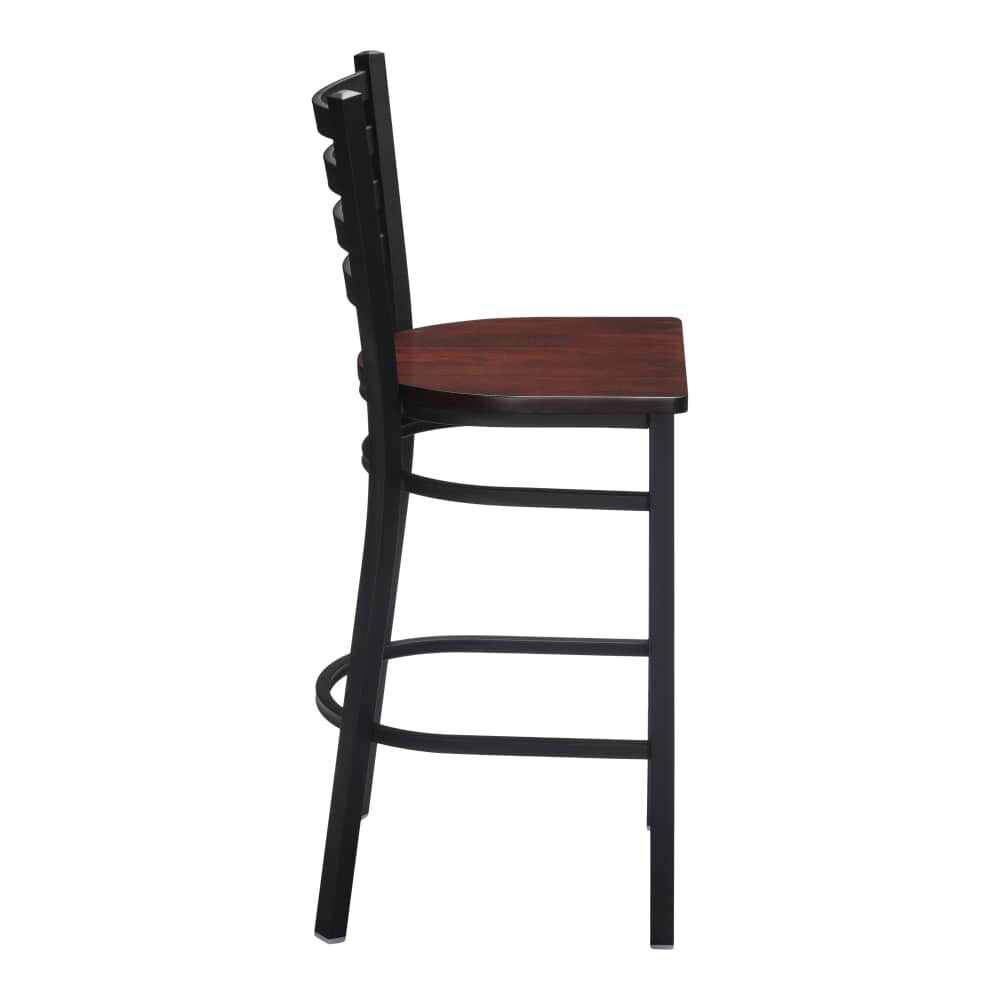
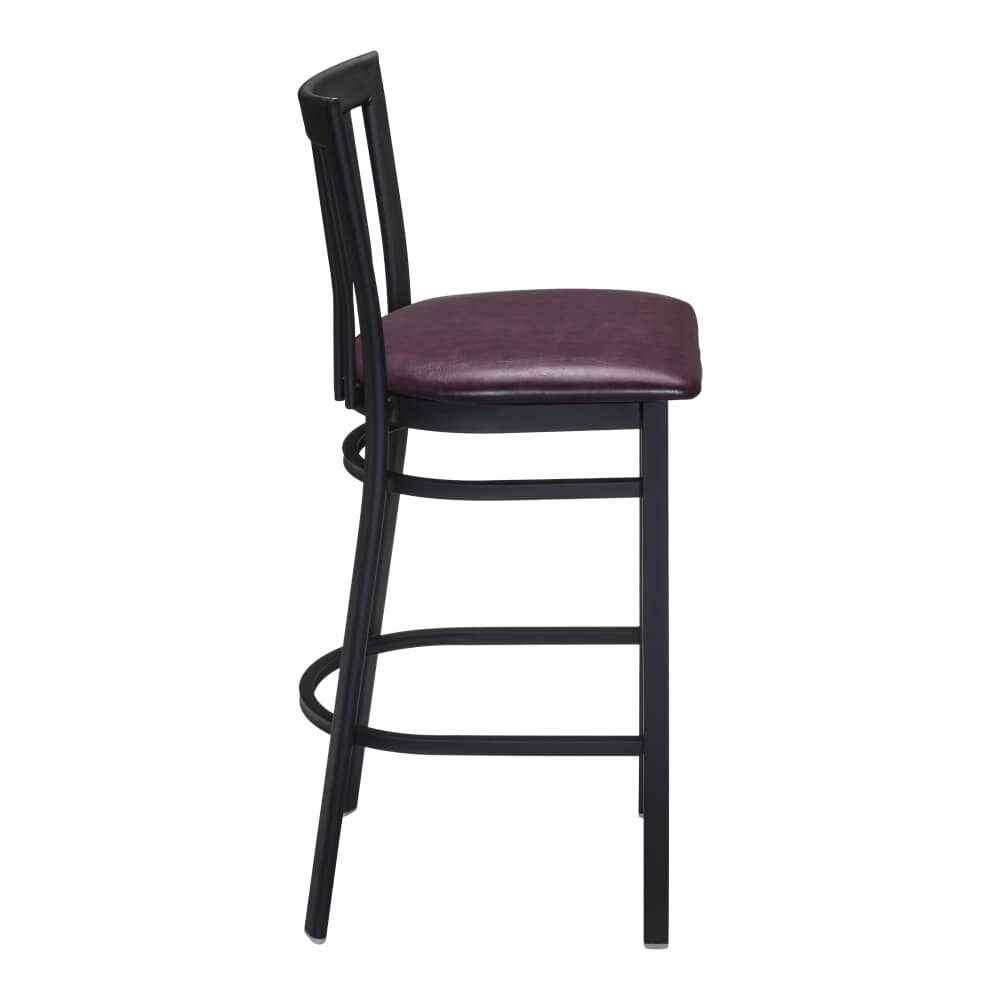
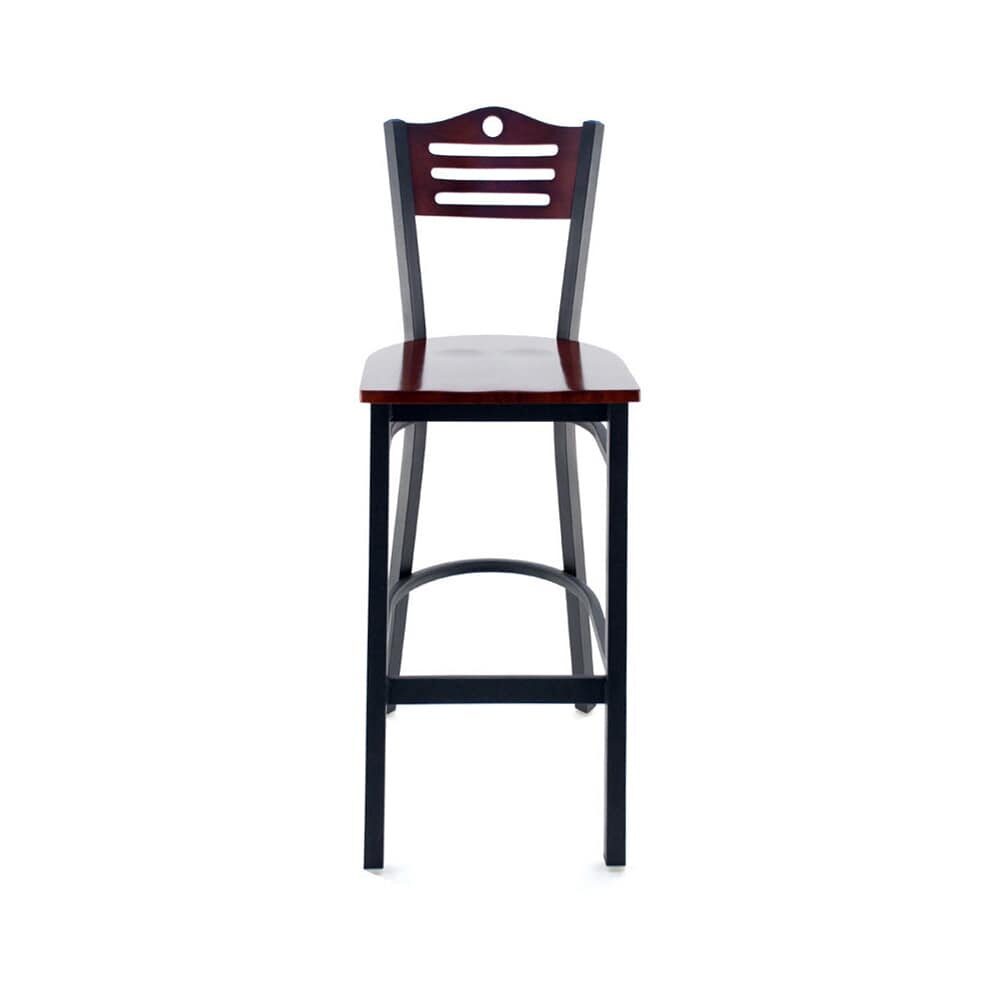
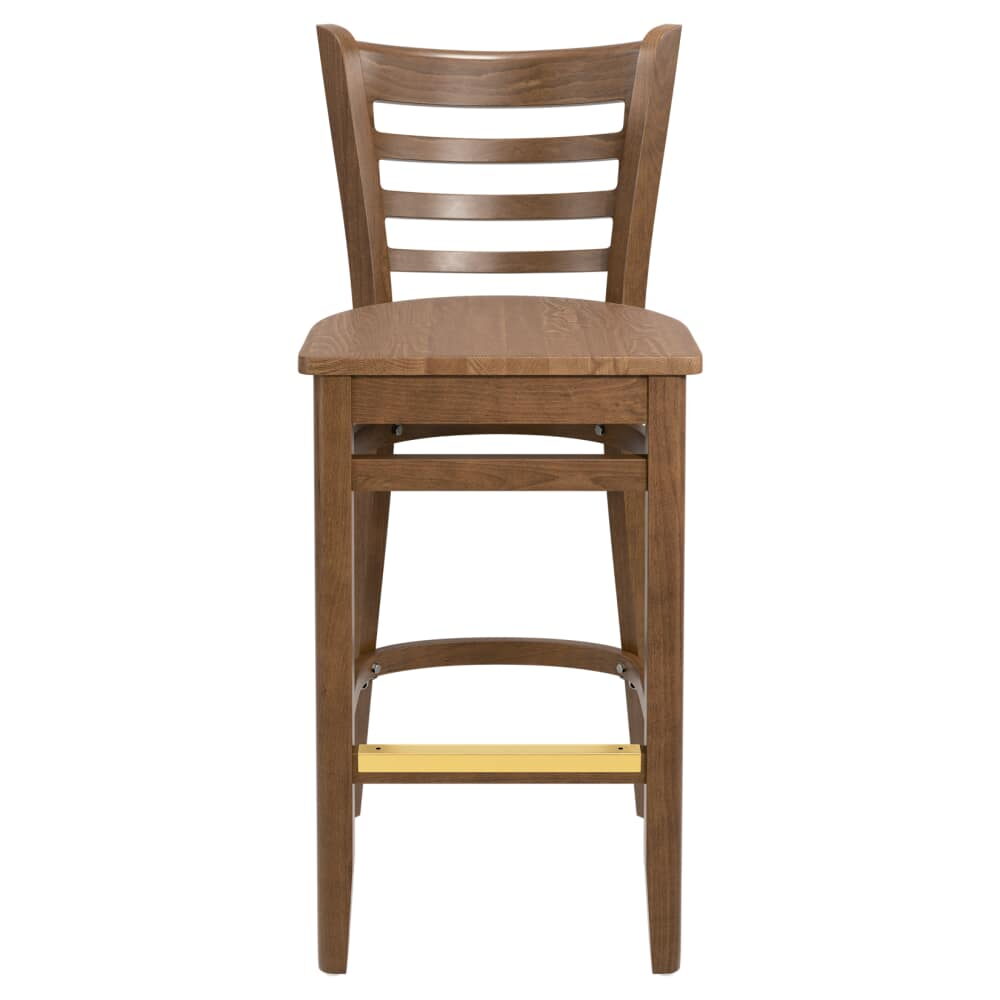
Wood Seat Metal Bar Stool, Ladder-Back
- Metal frame
- 17 1/4" W x 19" D x 42" H
- Indoor use
From $91.00Set options
ComparePick the piece for the job it does.
Stools live at the ledge, the window bar and the counter, and every one of those has a height. This department lists 327 stools: swivel and fixed, backed and backless, padded and plain.
327 listed products · Prices in USD · Options on each product

A closer look at this selection
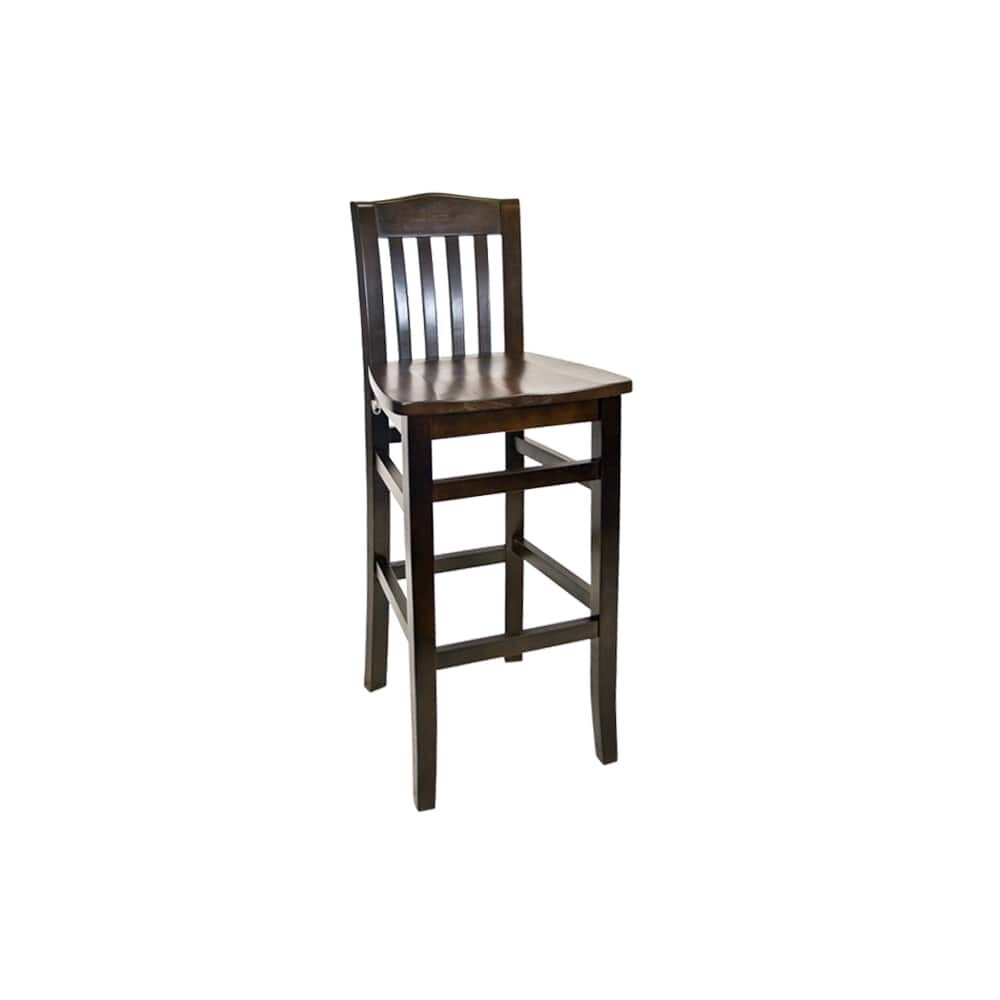

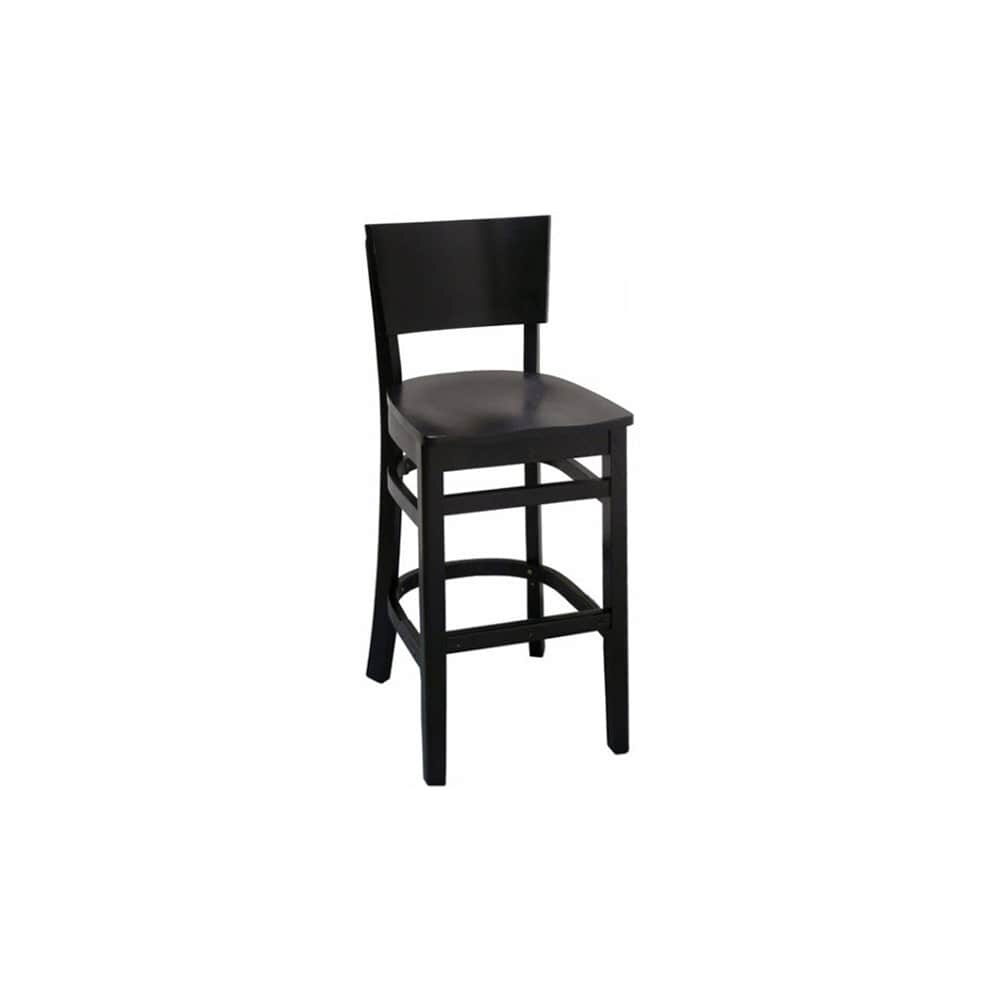
Actual product images. Open a piece to see its available options.
Bar stools
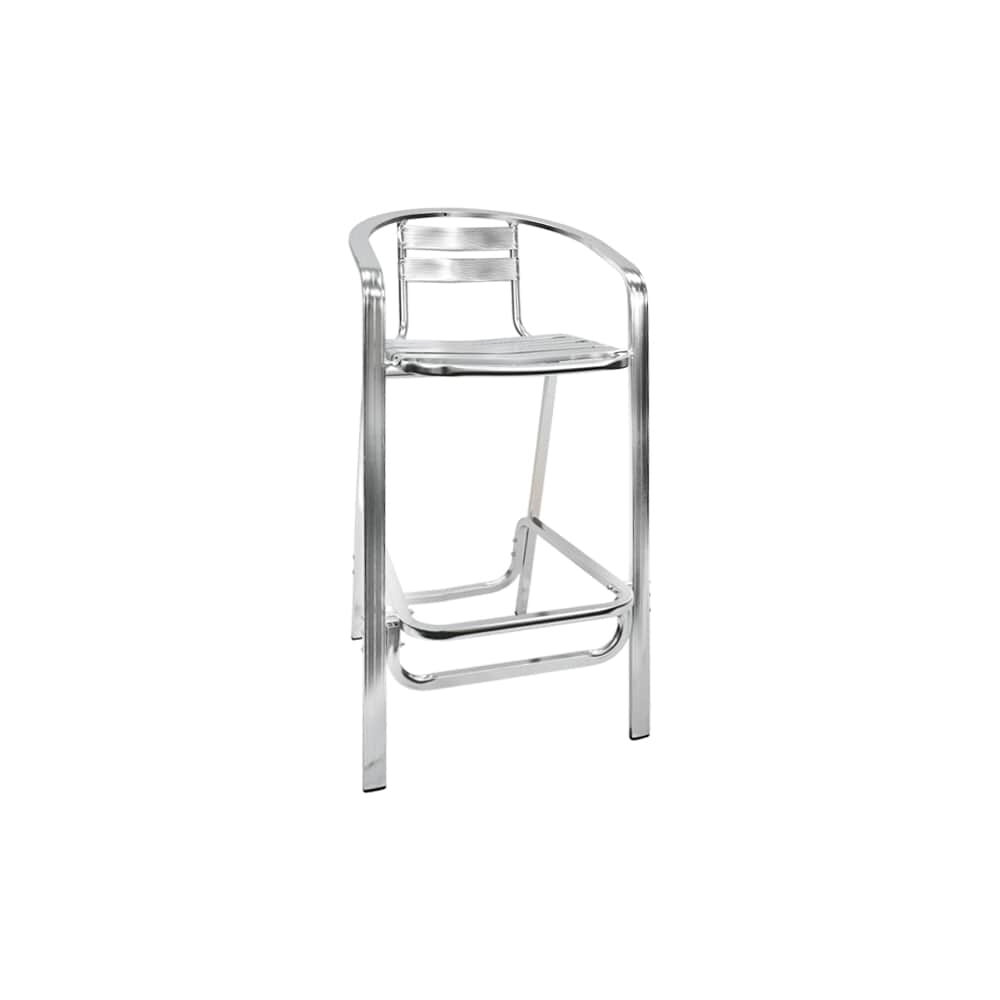
Outdoor
Bar stools
Bar stools

Bar stools
Bar stools
Bar stools
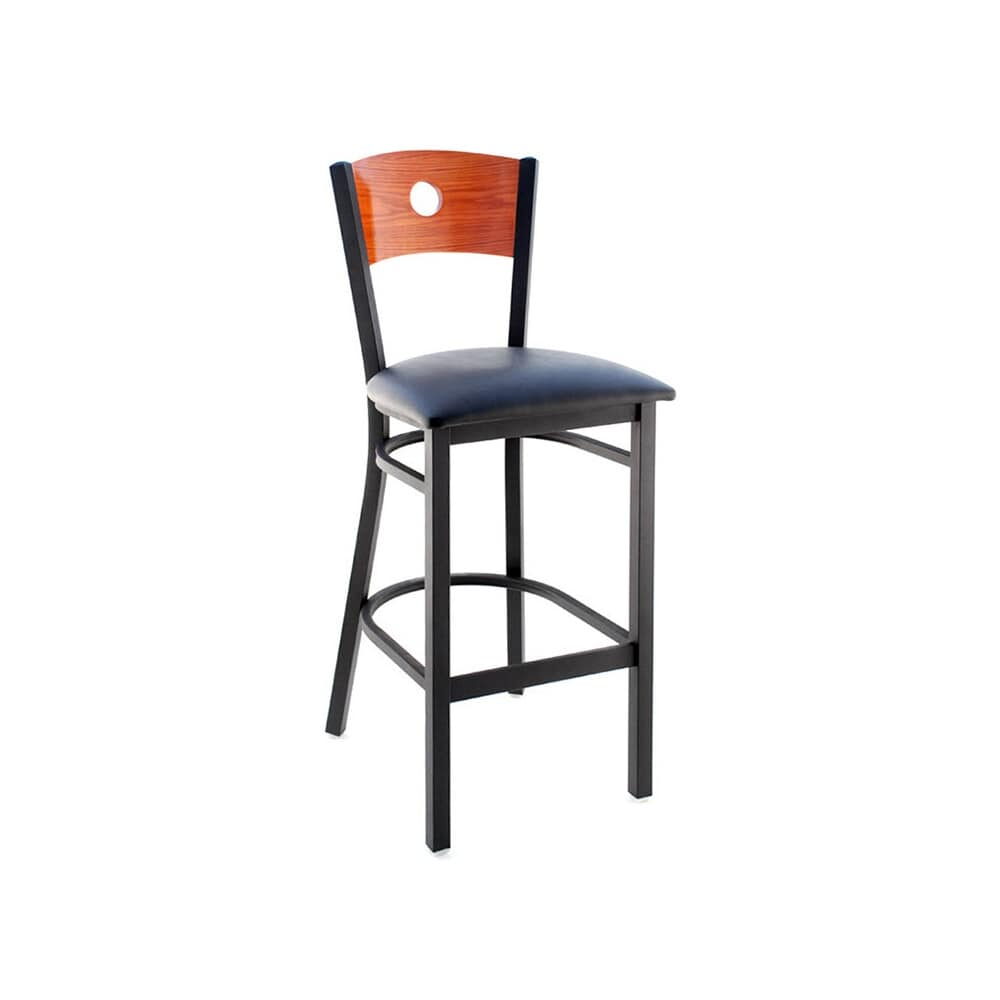
Bar stools
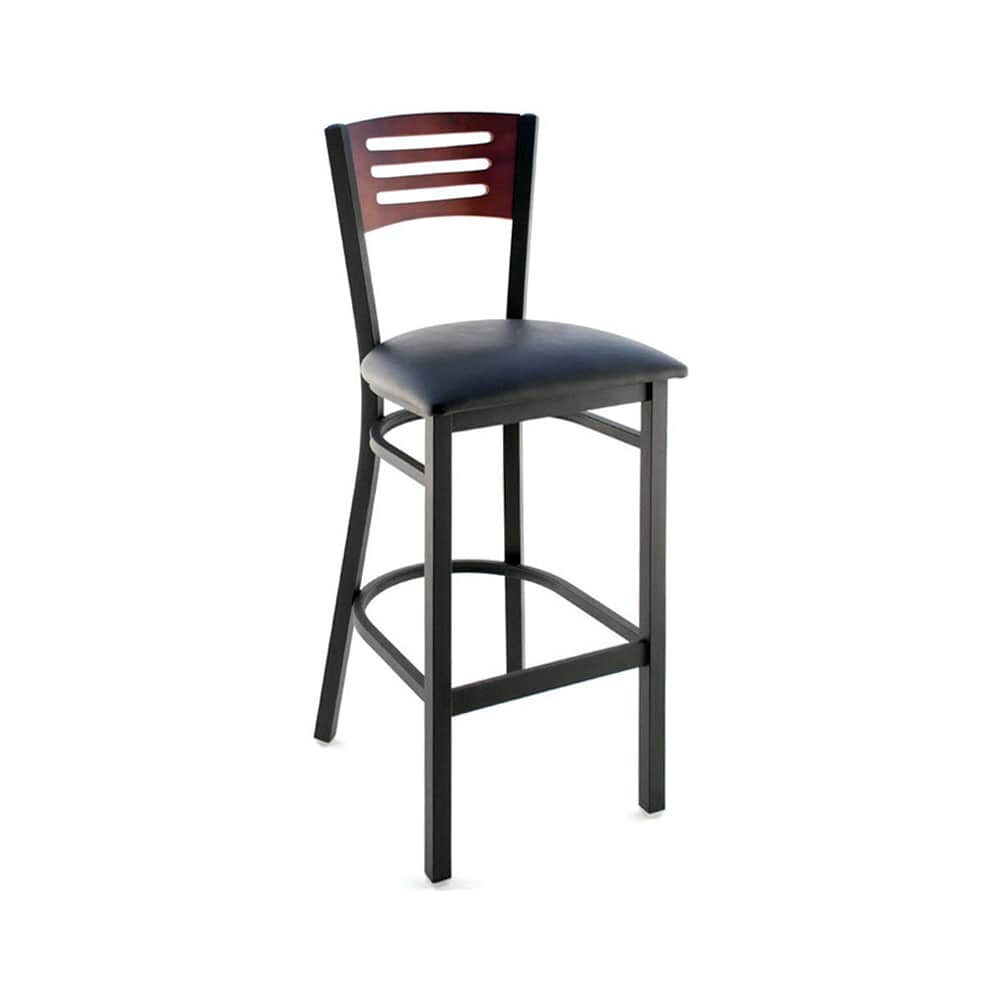
Bar stools
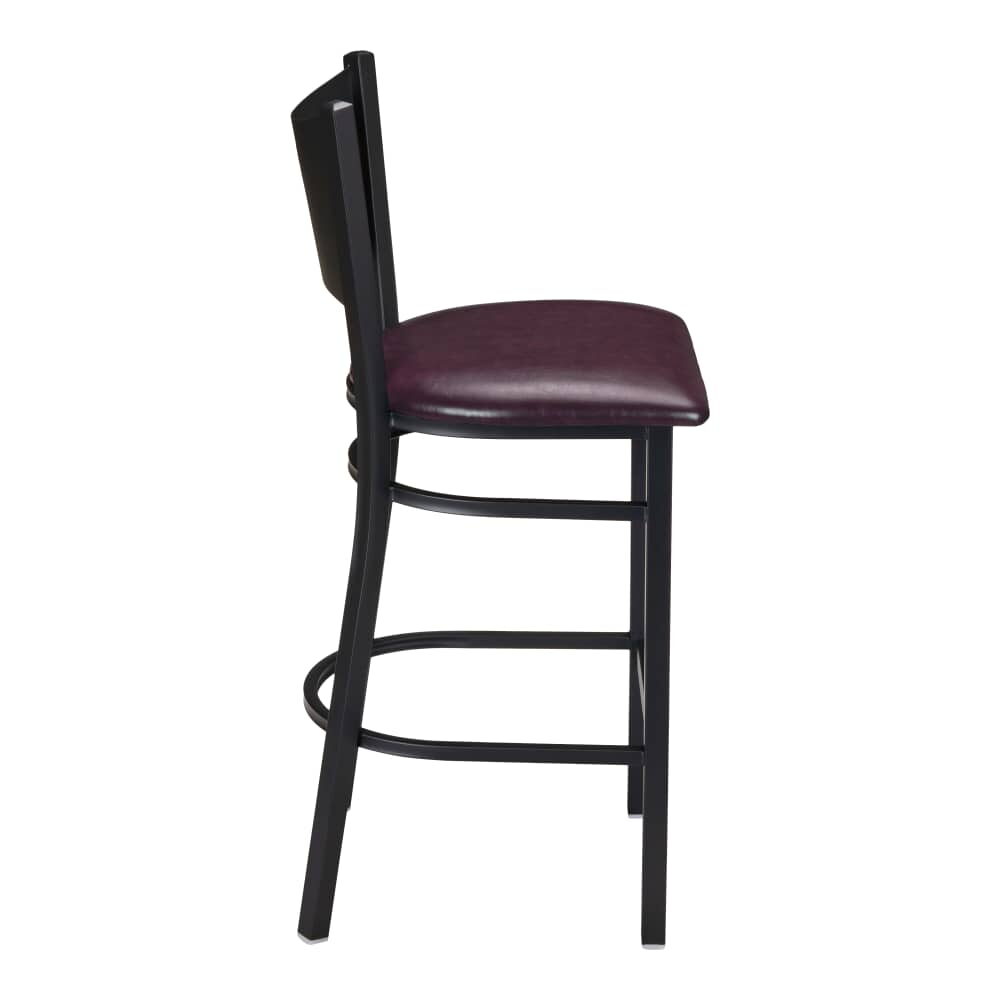
Bar stools
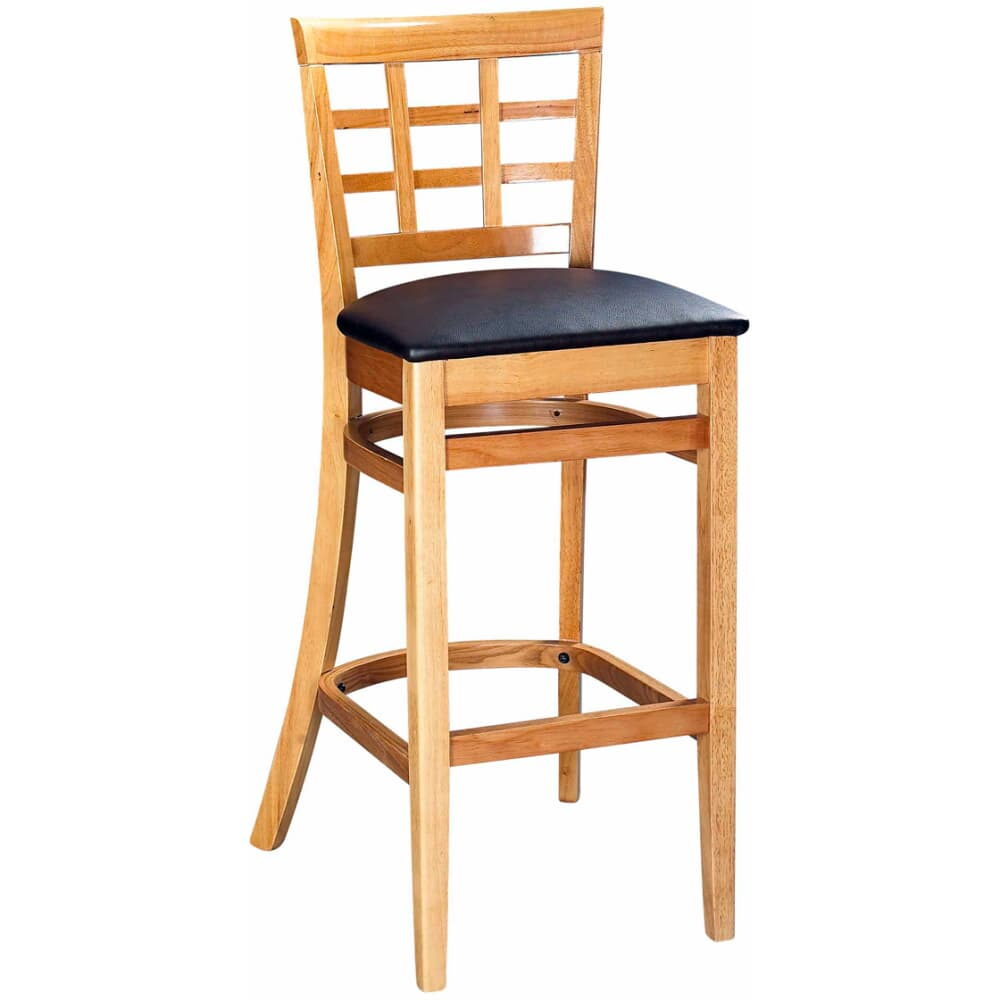
Bar stools
Bar stools
Bar stools
Outdoor
Bar stools
Bar stools
Bar stools
Bar stools
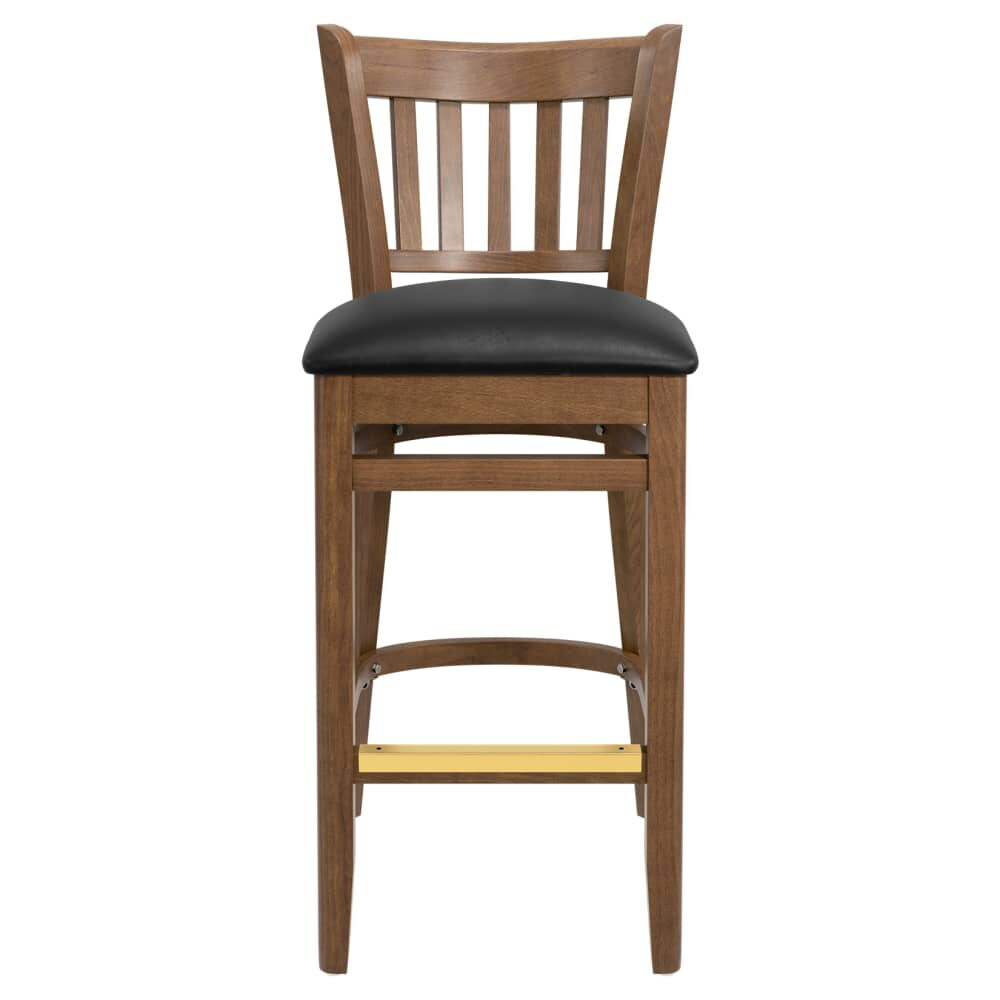
Bar stools
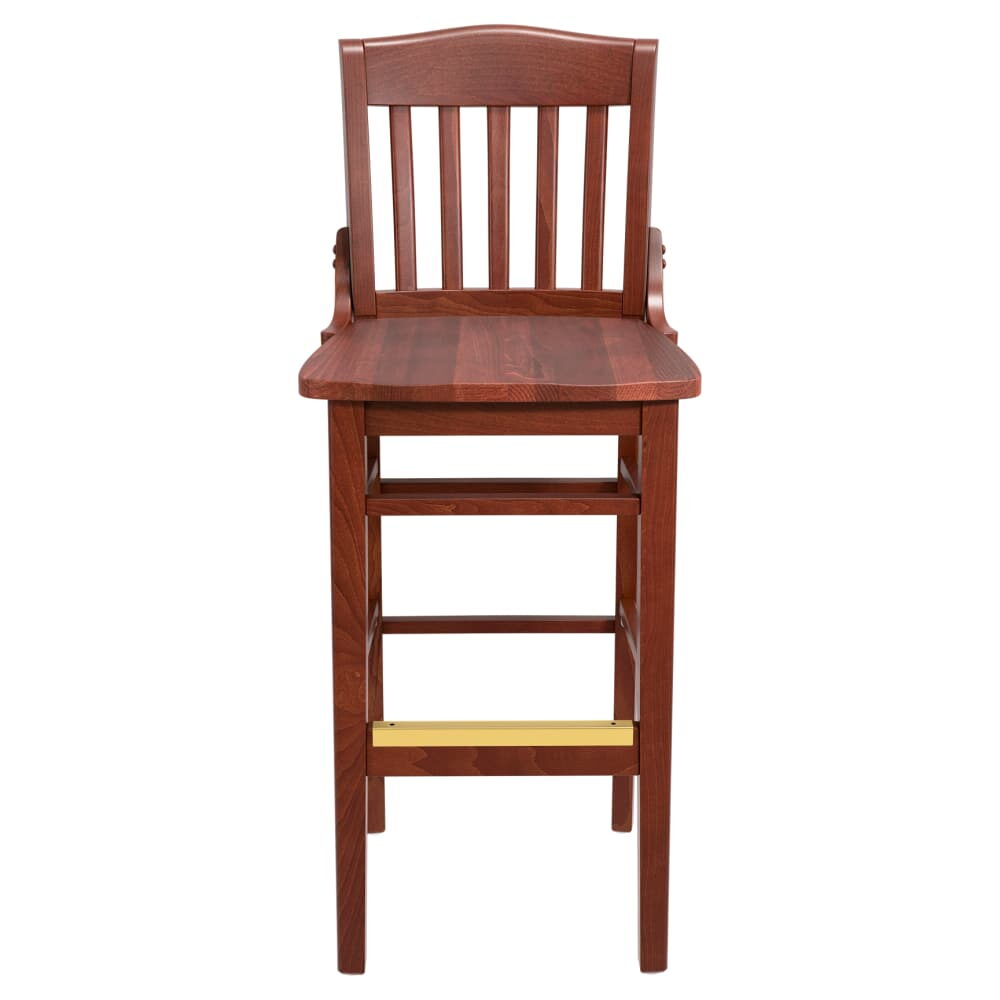
Bar stools

Bar stools
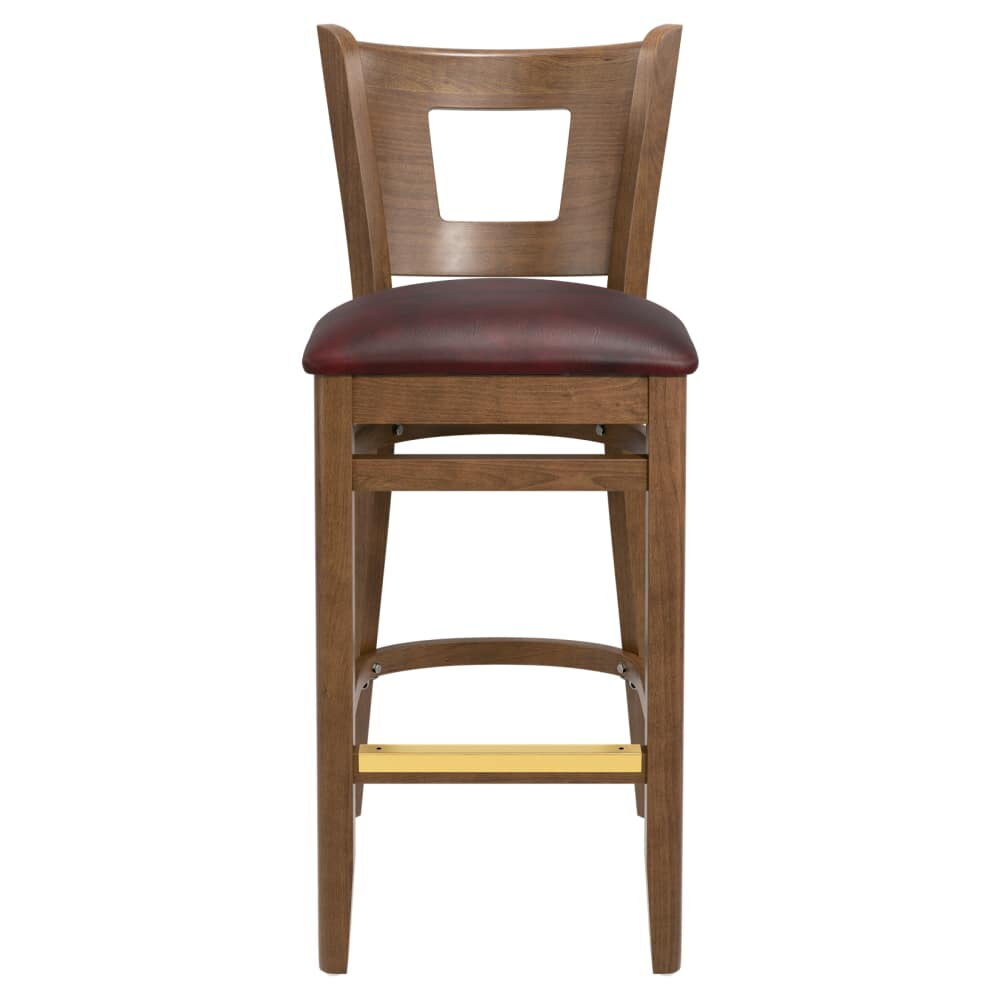
Bar stools
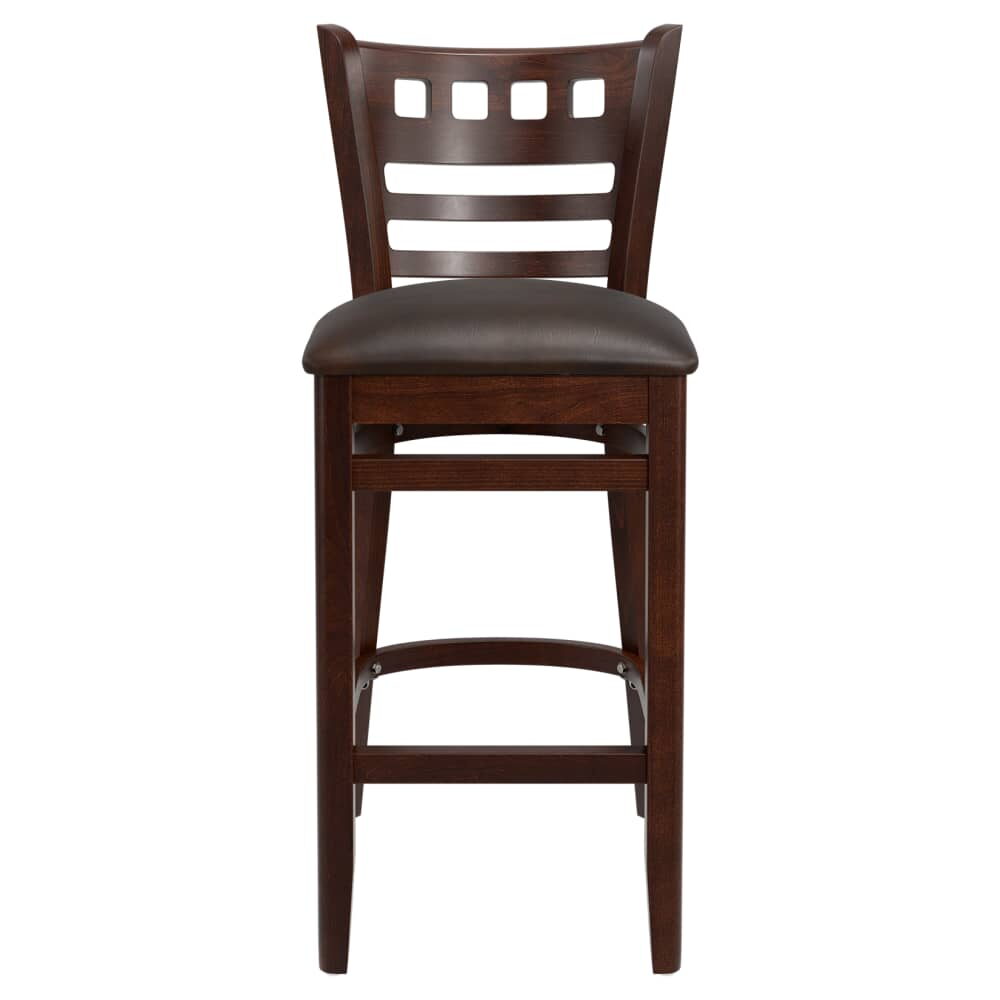
Bar stools
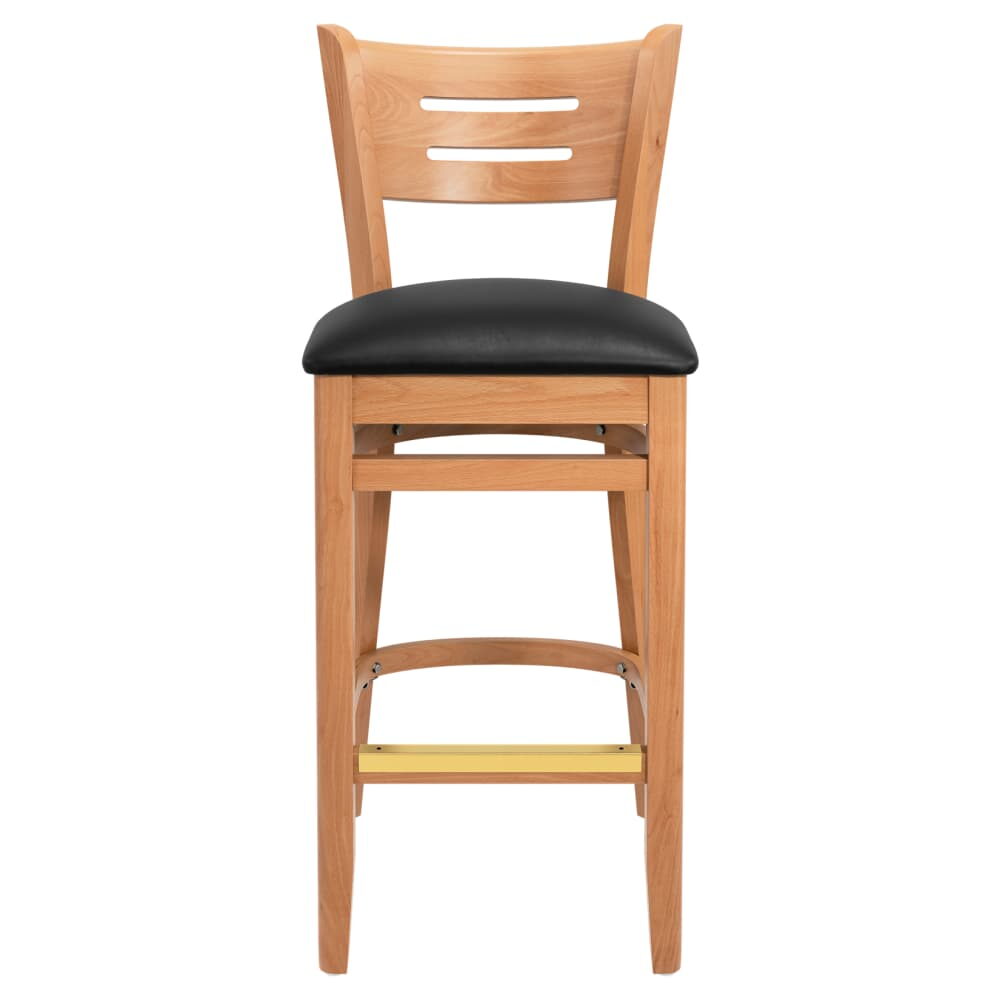
Bar stools
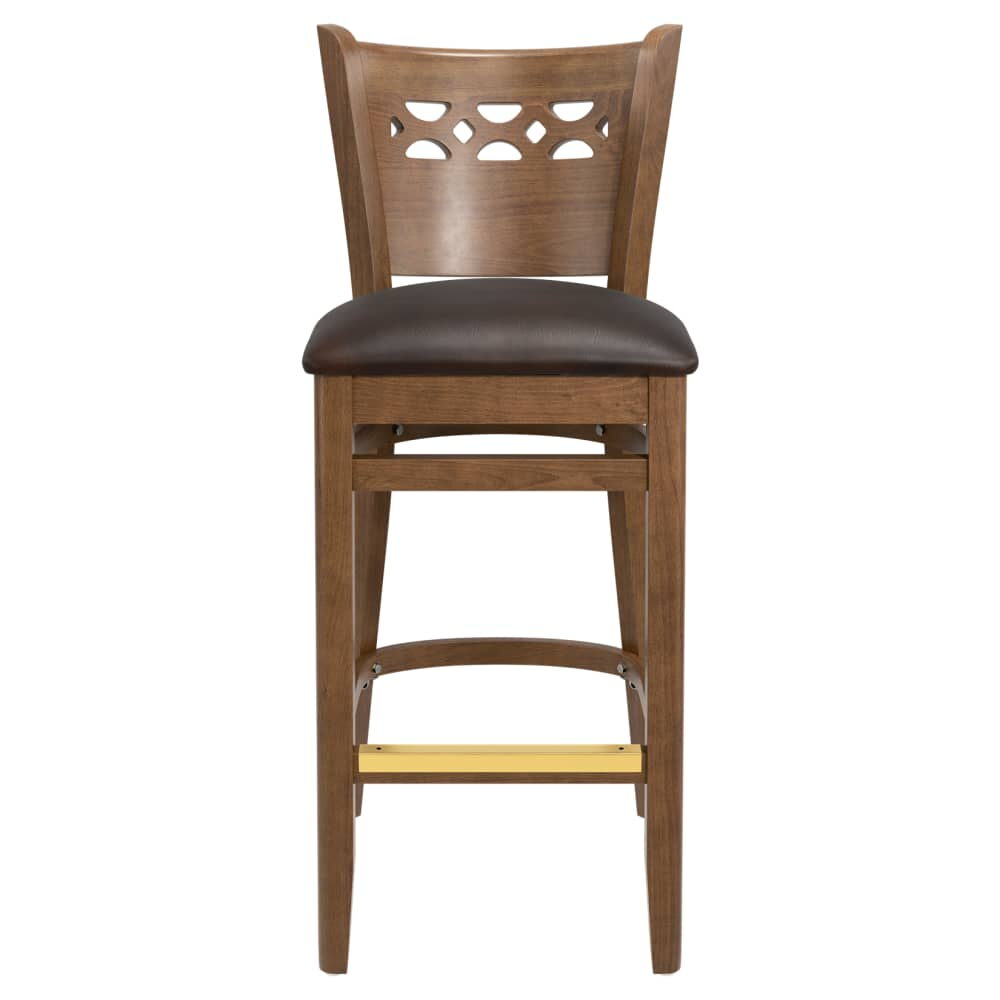
Bar stools
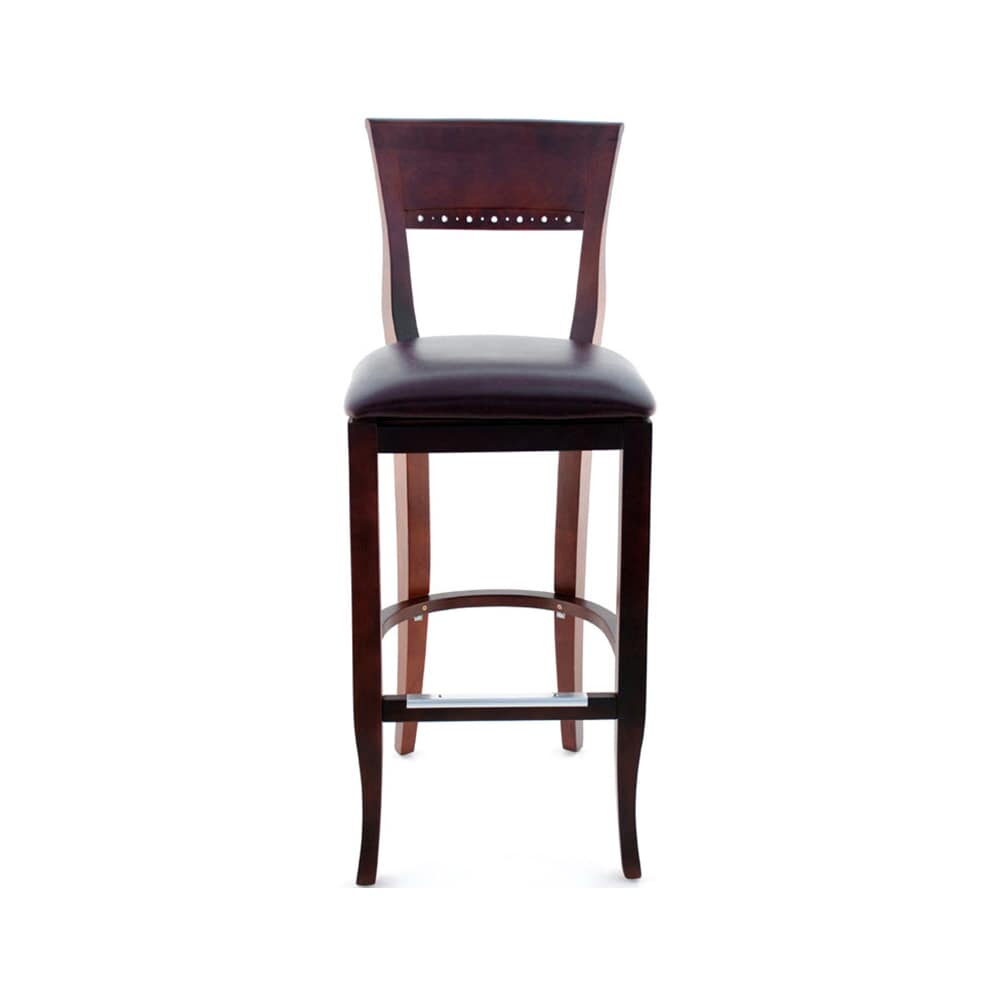
Bar stools
Bar stools
Bar stools
Bar stools
Bar stools
Bar stools
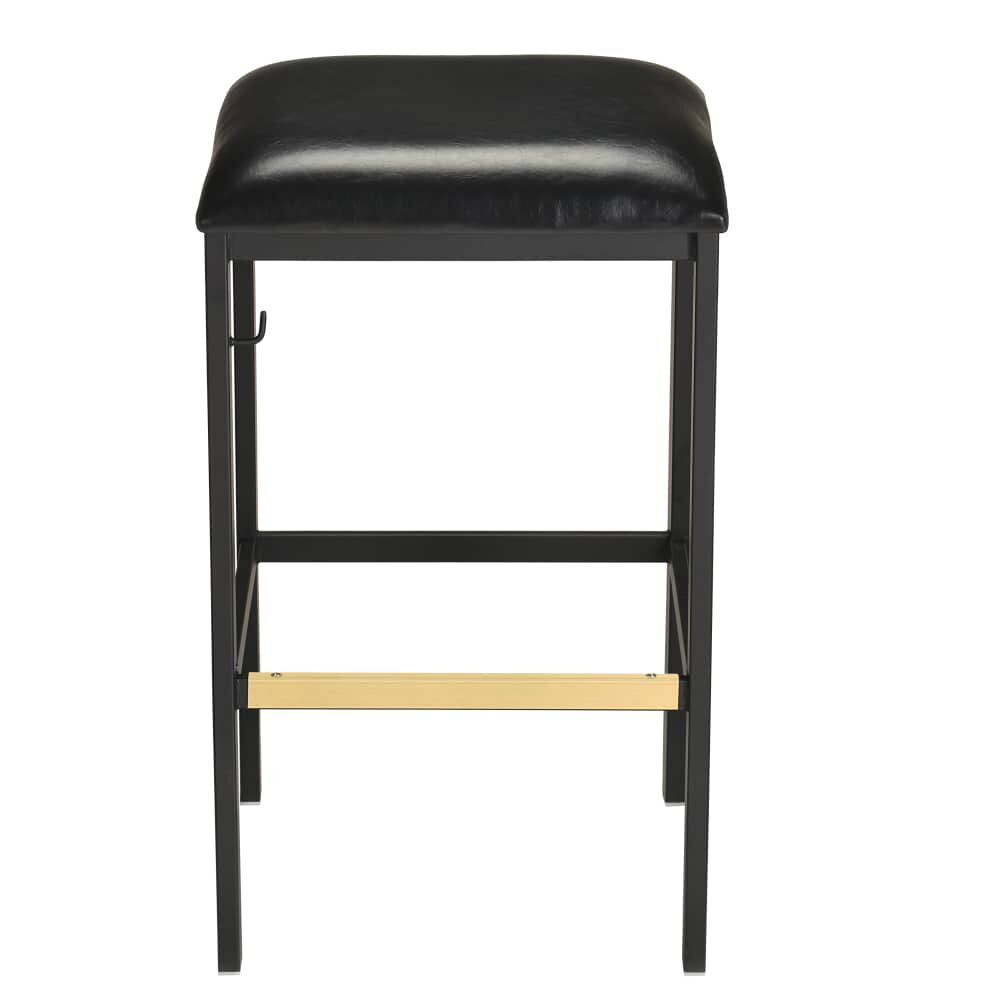
Bar stools

Bar stools

Bar stools
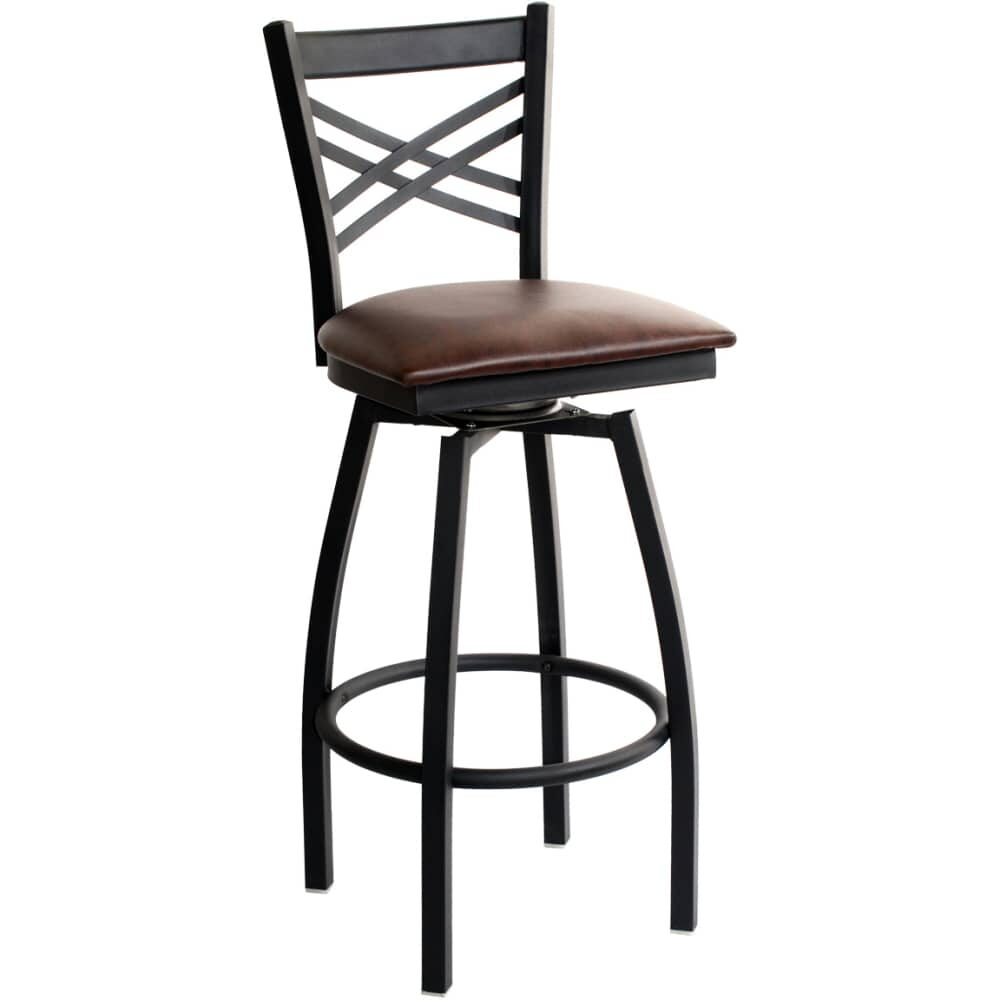
Bar stools
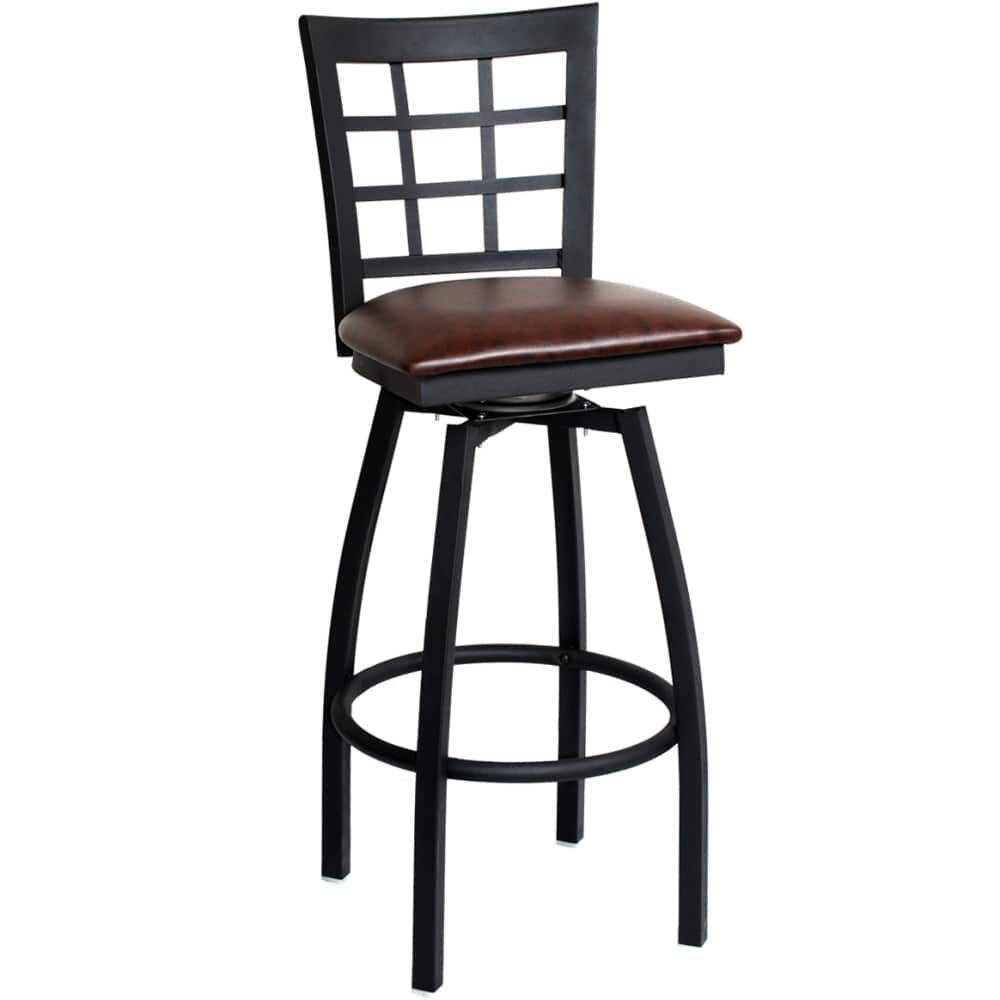
Bar stools
Restaurant bar stools
Picture the piece at four in the afternoon, after the lunch line has been through. Check the seat height against your counter and the base spread against the top. Save the models that pass to a shop plan, with a note on where each one goes.
Measure the ledge or counter first, because restaurant bar stools for a 42-inch window bar stand several inches taller than the ones that belong at a 36-inch counter.
Check the listed seat height against the counter or bar where the stool will be used. Measure the underside as well as the top surface, and account for aprons and footrests.
Review overall width, back height, and the space around the seat. When considering a swivel model, include room for the seat to turn without striking the next stool or a nearby wall.
Stools live at the ledge, the window bar and the counter, and every one of those has a height. This department lists 327 stools: swivel and fixed, backed and backless, padded and plain. Measure the surface they will sit under before anything else, because a stool bought for the wrong height cannot be fixed with a cushion.
Two heights cover nearly every shop. A counter standing 34 to 36 inches tall takes a stool with a seat of 24 to 26 inches. A bar or window ledge at 40 to 42 inches takes a seat of about 29 to 31 inches. On the listings that give a seat height, the usual figures are 29 1/2, 30, 31 and 31 1/2 inches: bar height, every one. So if your counter is the lower kind, go straight to the counter stools.
Space them 24 to 30 inches center to center. Tighter than that and regulars bump elbows; wider and you give away a seat along the window.
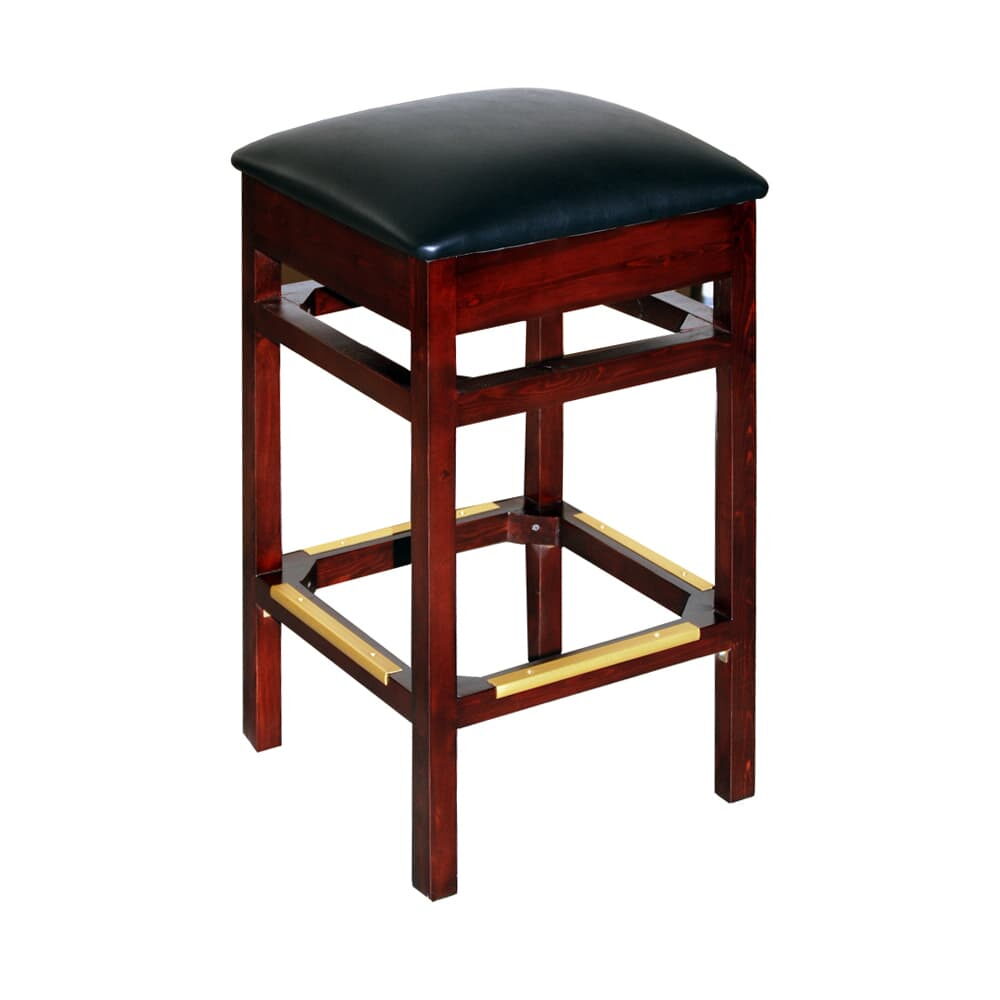
A swivel seat lets someone turn to a friend without dragging the stool across the tile, and the swivel bar stools gather those in one place. A back holds a customer longer. No back at all lets the stool tuck under the ledge when the shop is closed, which is why a quick-turn window bar often runs on backless bar stools.
Frames are mostly metal, with wood next and a few in resin, aluminum or steel. Seats run vinyl, wood and fabric, with metal and resin in smaller numbers, and bucket seats are the most common back style, ahead of padded and curved backs.
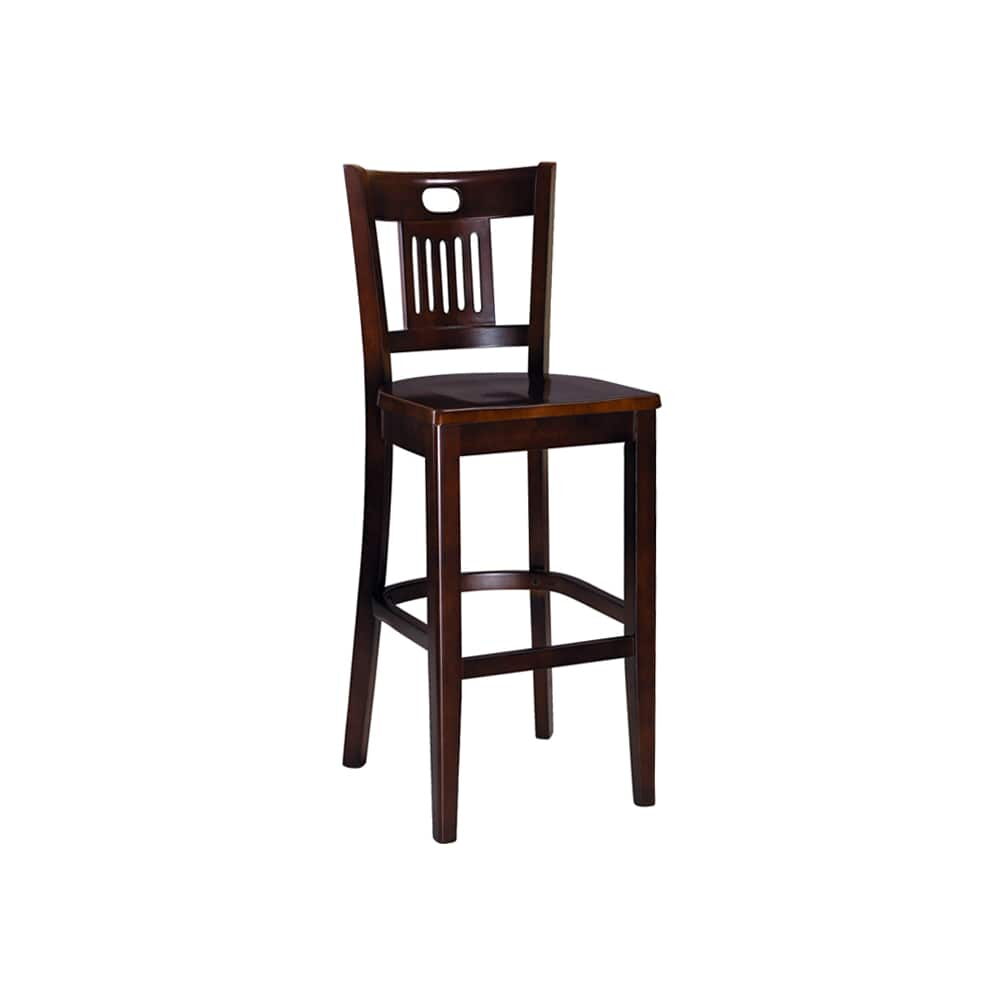
What does the stool have to survive? A metal frame is the plain answer for a counter where people rest their feet on the rail all day, and the metal bar stools are the largest group. Wood bar stools suit a bakery counter with wood chairs on the floor behind it. Some stools are listed for patio use too, for a sidewalk rail; read the usage line before any go outside.
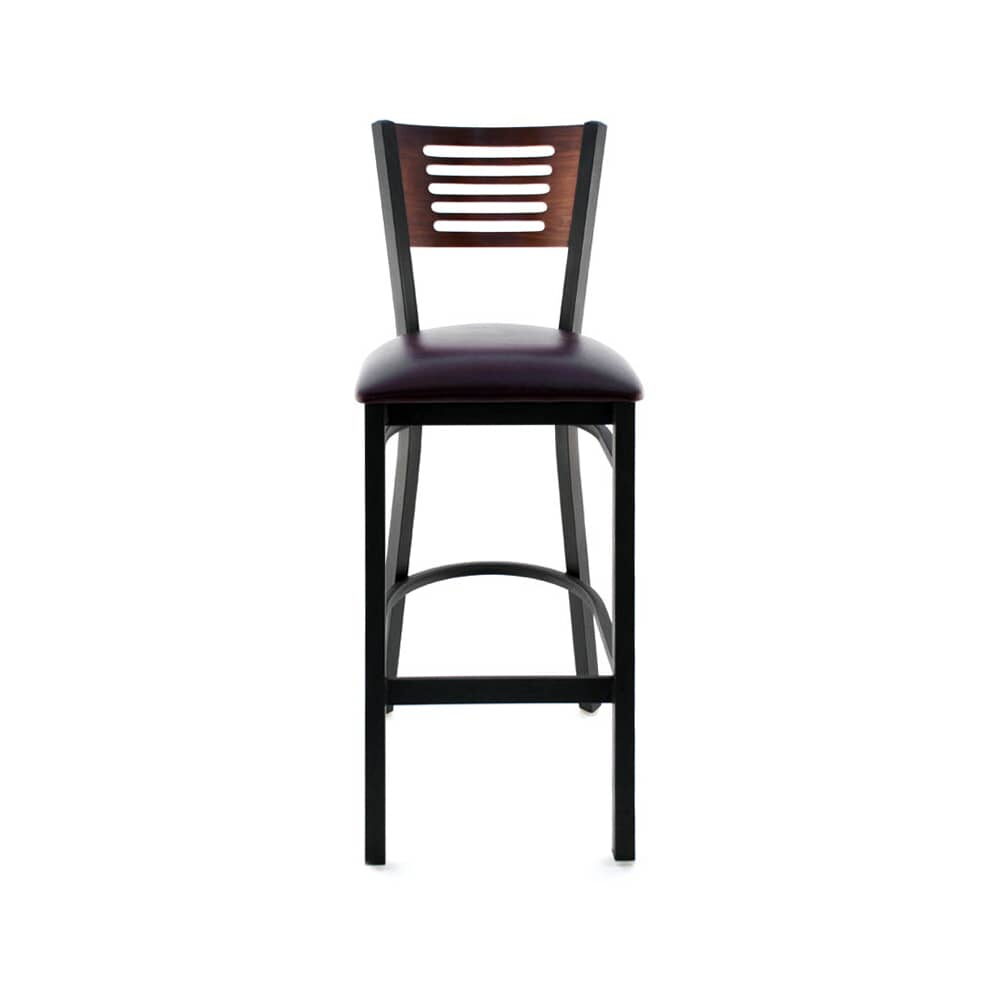
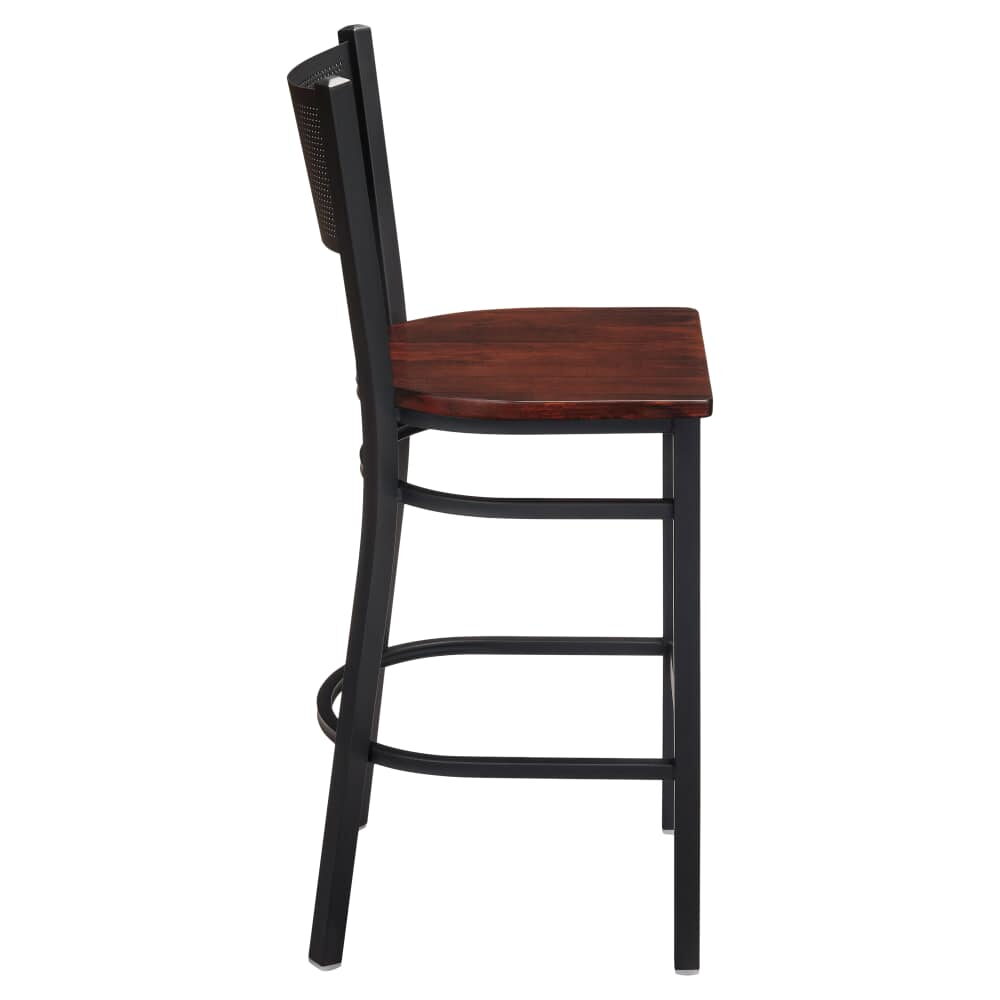
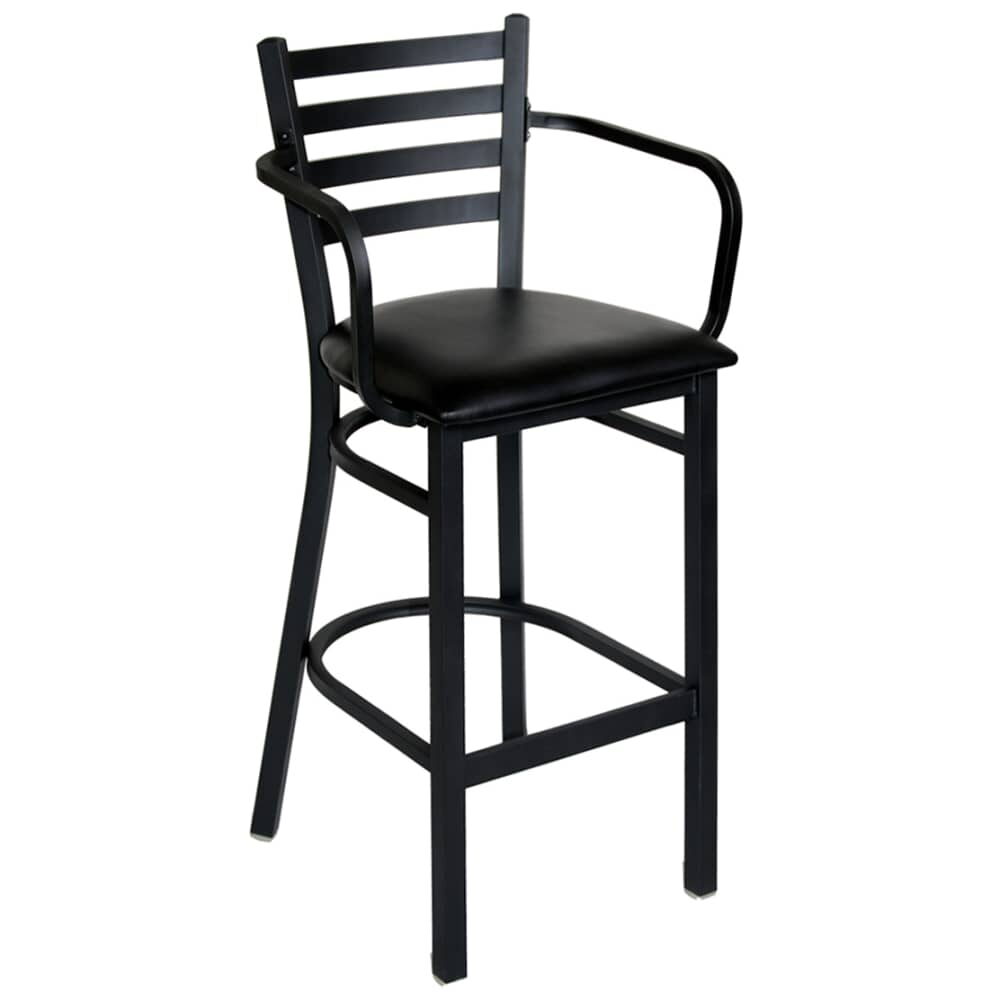
A ladder back slatted metal bar stool at 17" W x 17" D x 42" H is about as simple as the range gets, and prices start around $79.
Put the stools on your shop plan against the length of the ledge. Divide the run by your spacing, write the number down, and the count is settled before the first delivery.
Related reading