Outdoor
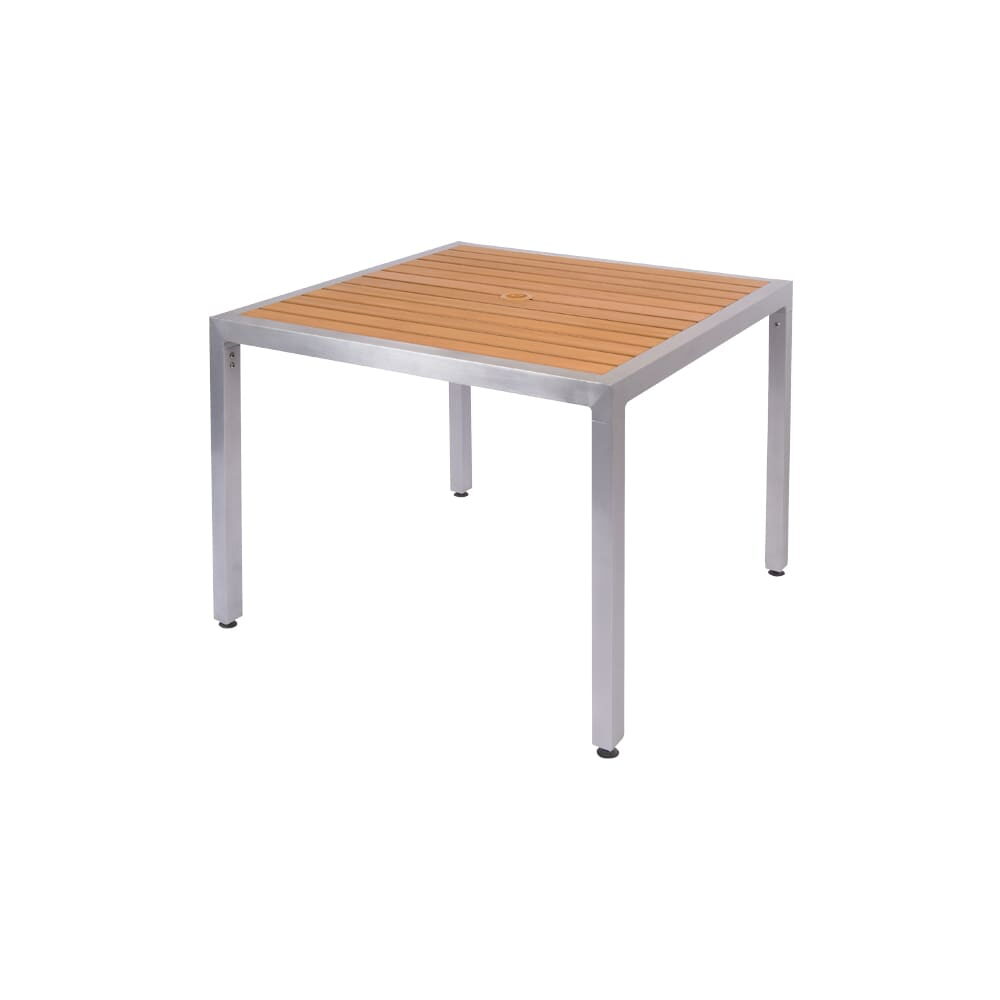
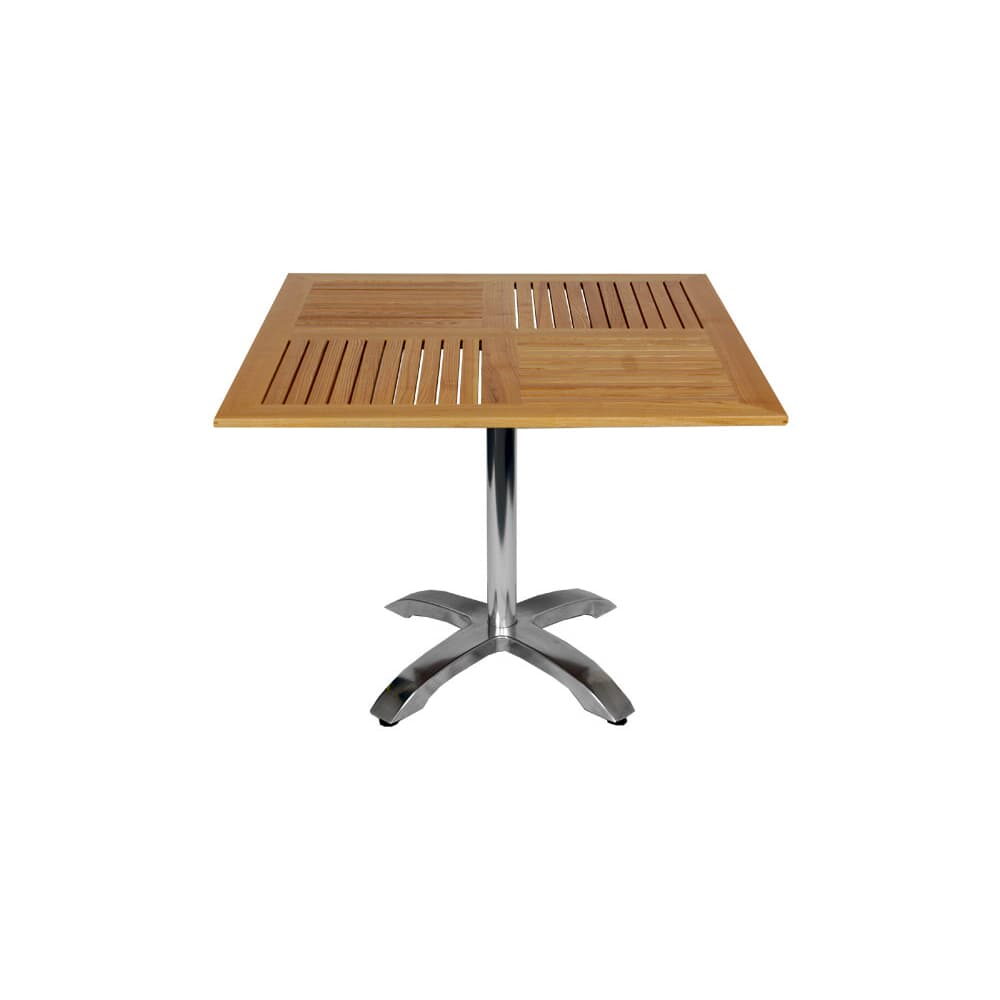
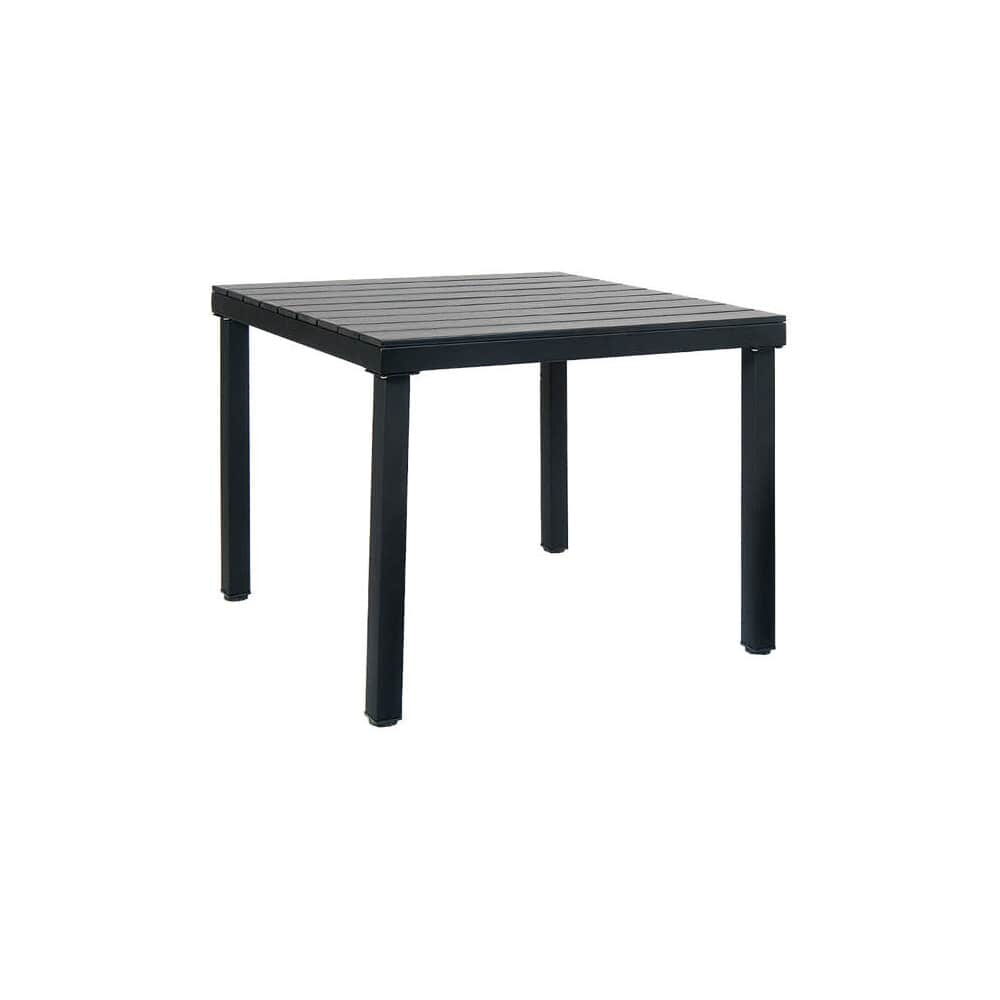
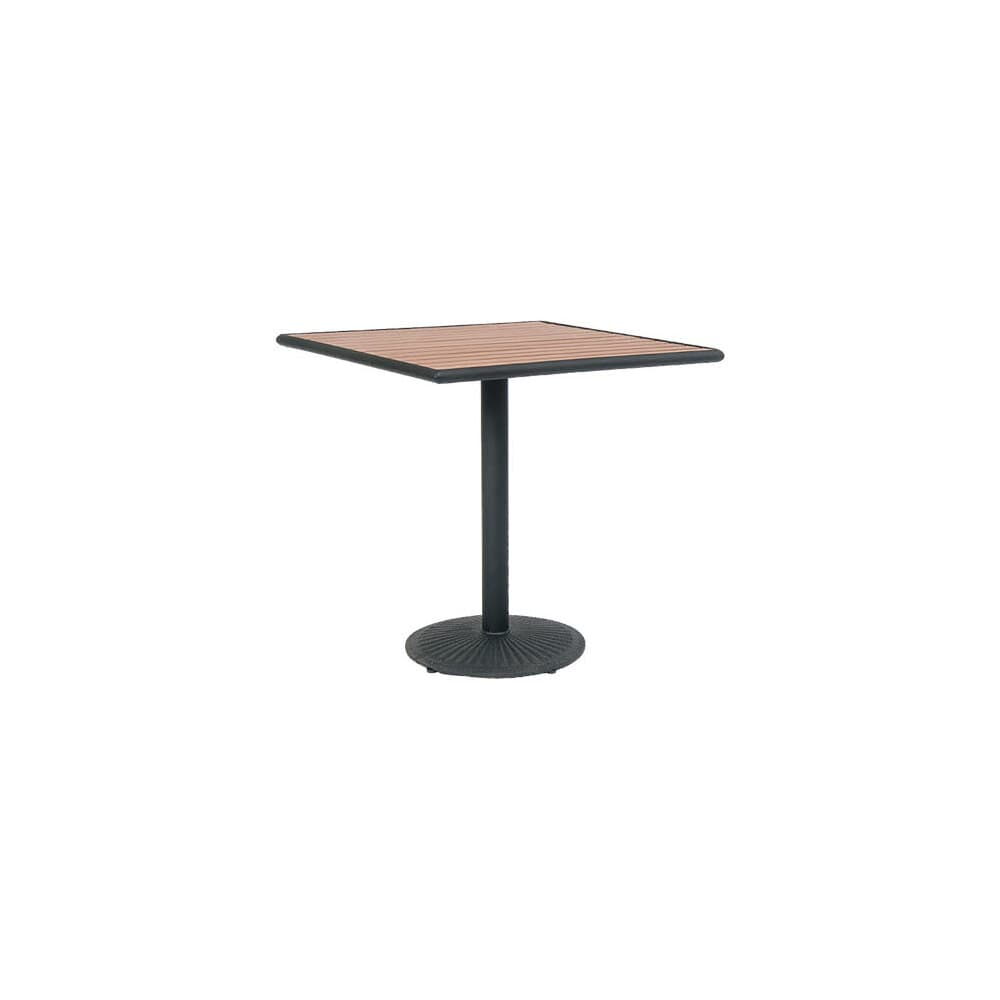
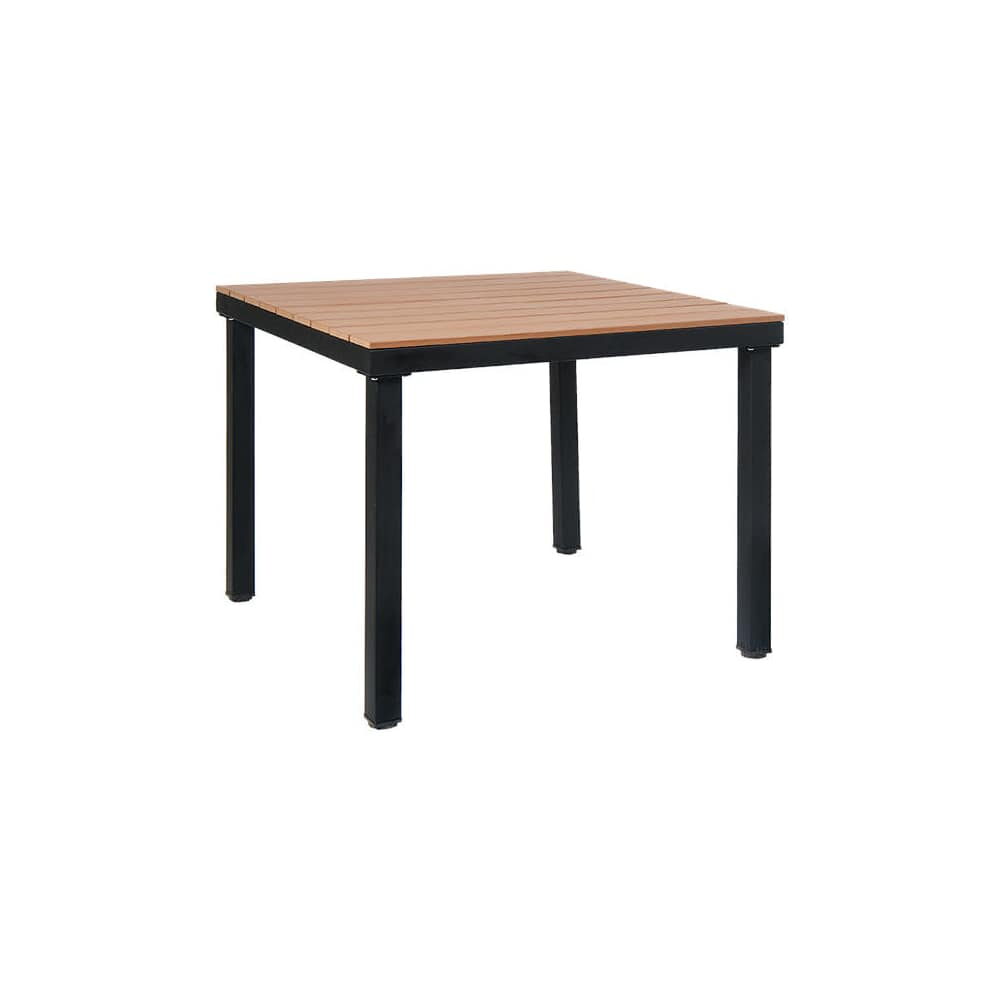
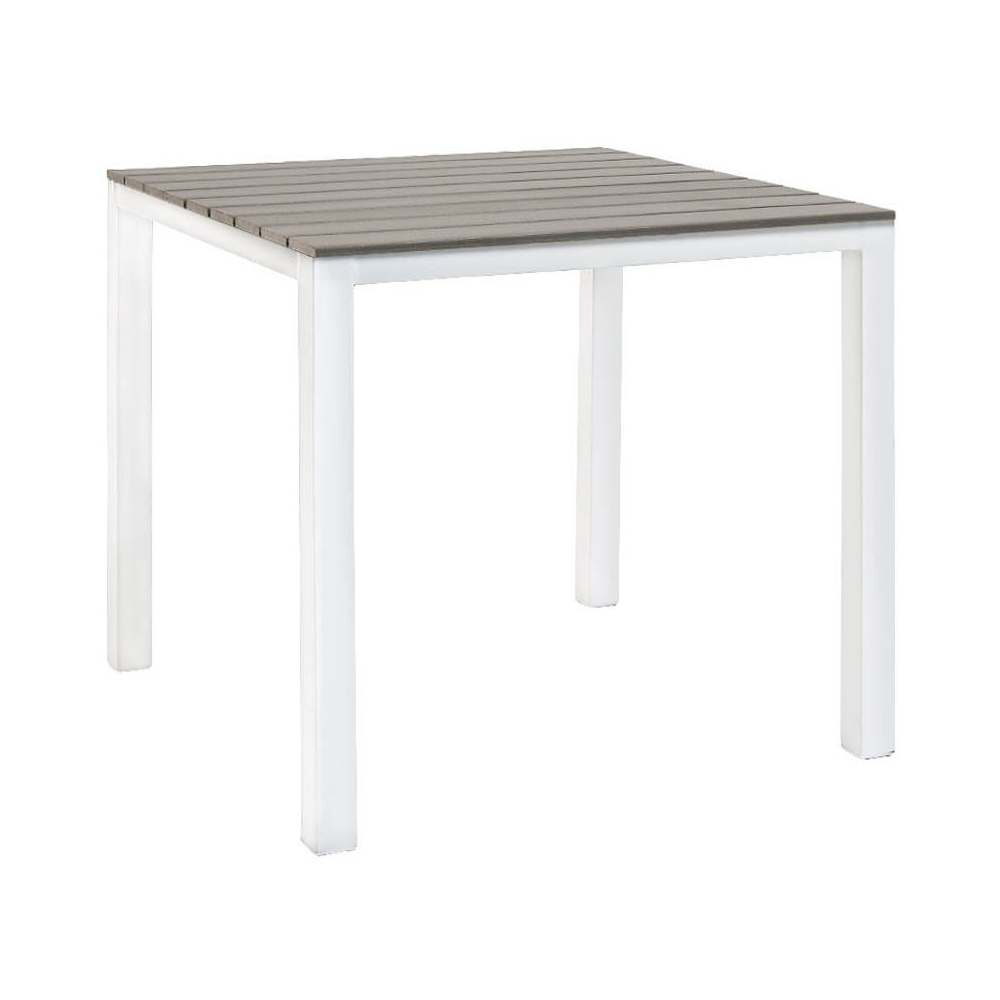
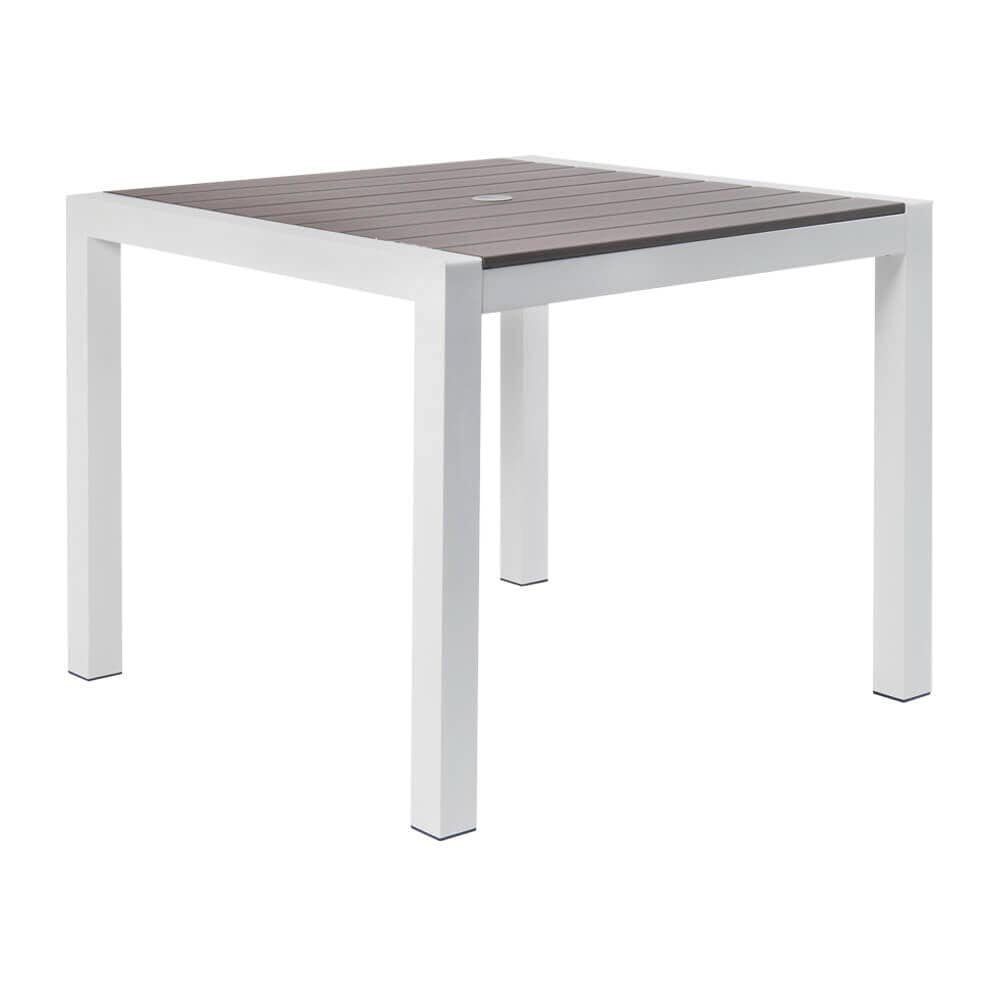
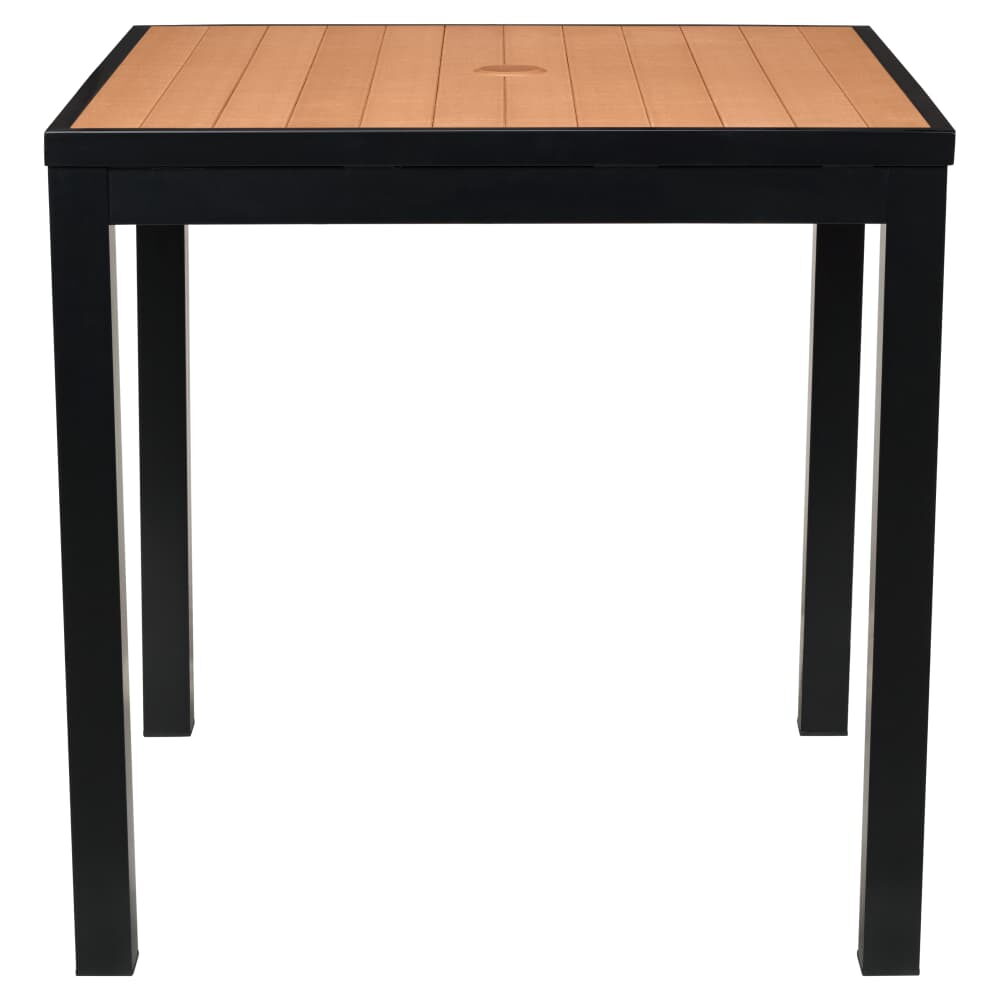
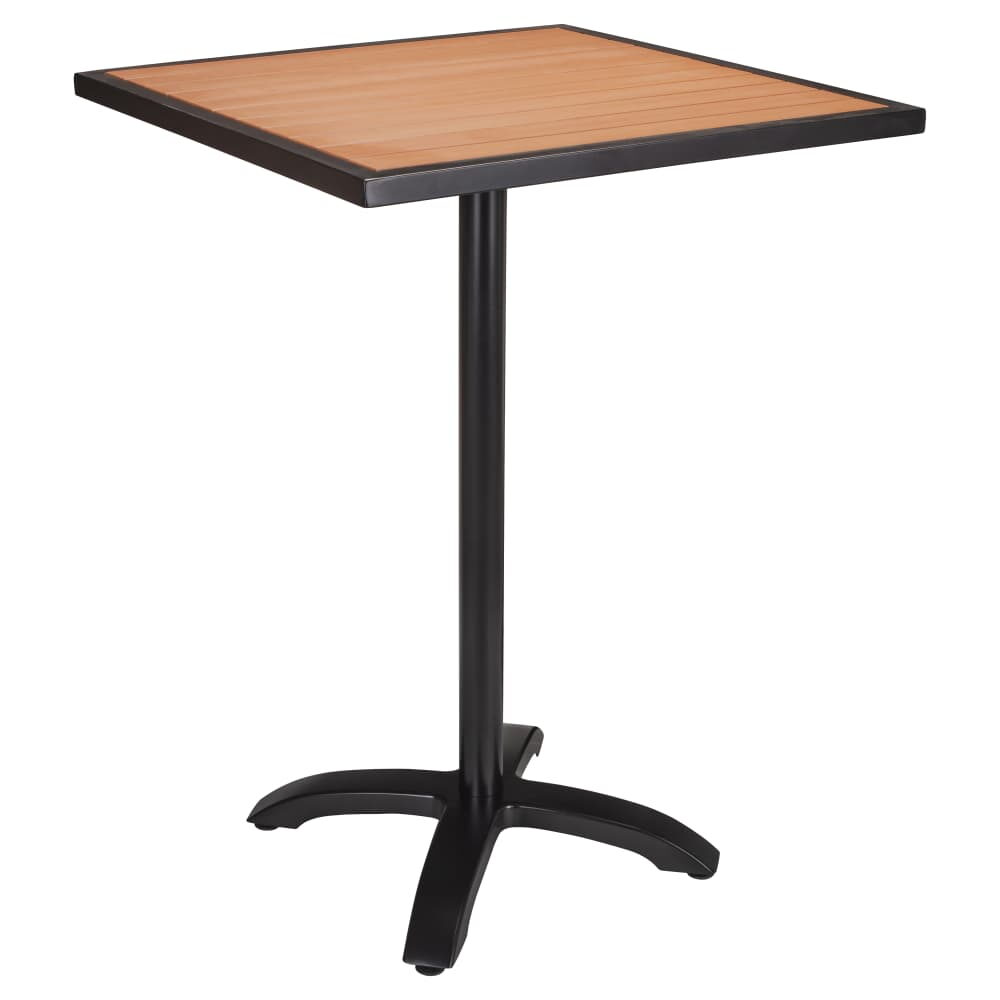
Natural Faux-Teak Patio Table, Aluminum
- Aluminum top
- Listed for patio use
Price $349.00Set options
ComparePick the piece for the job it does.
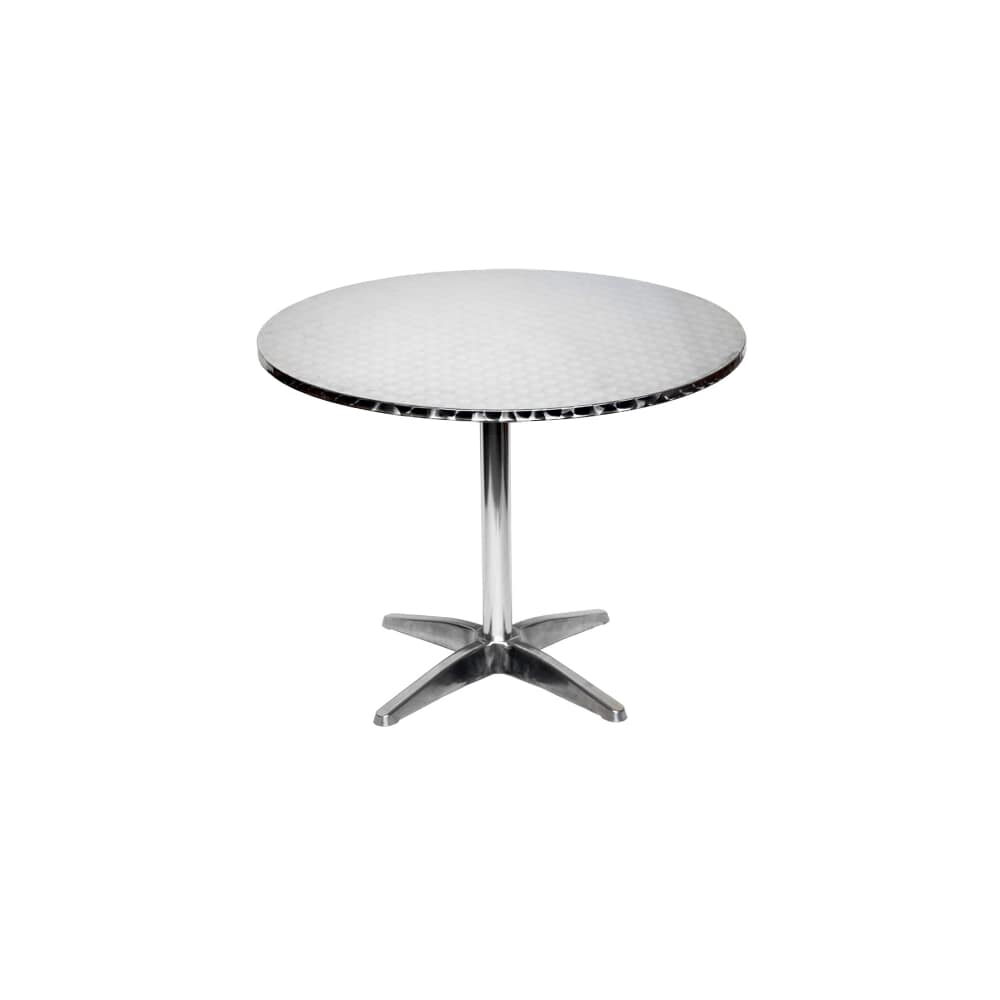
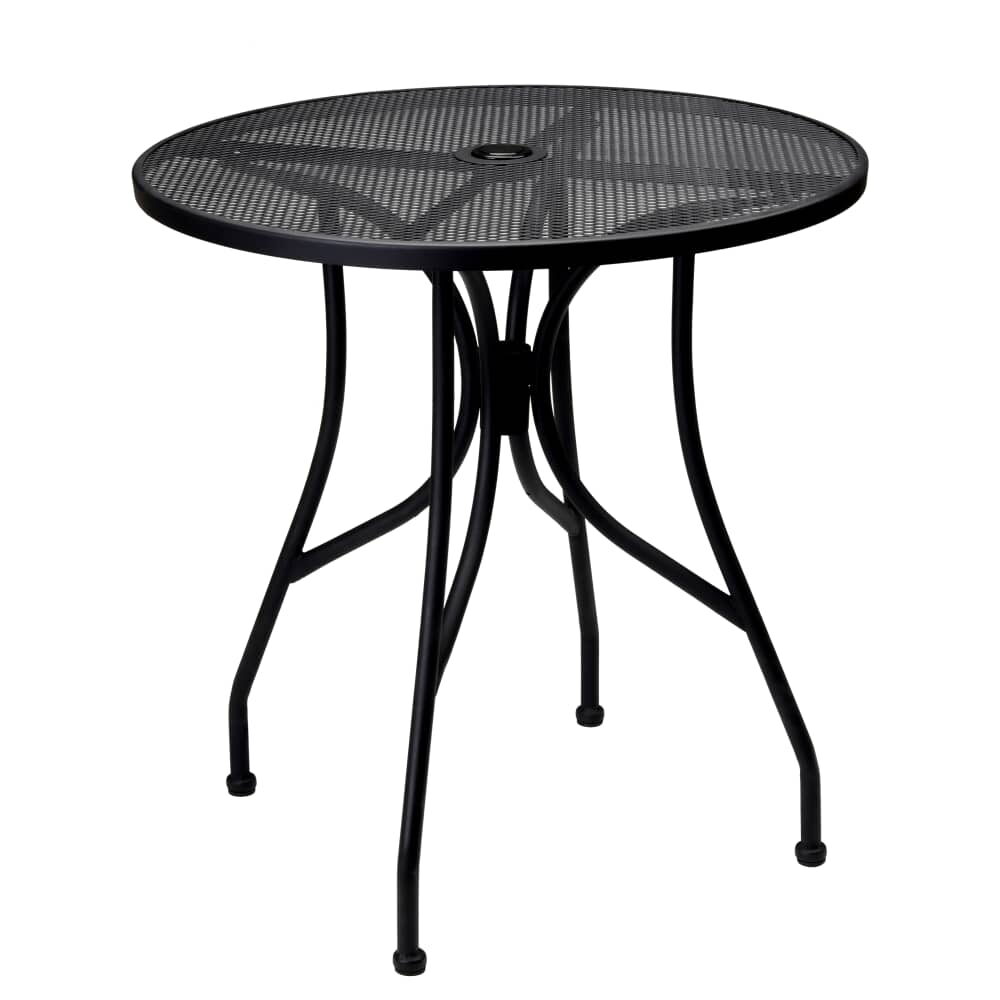
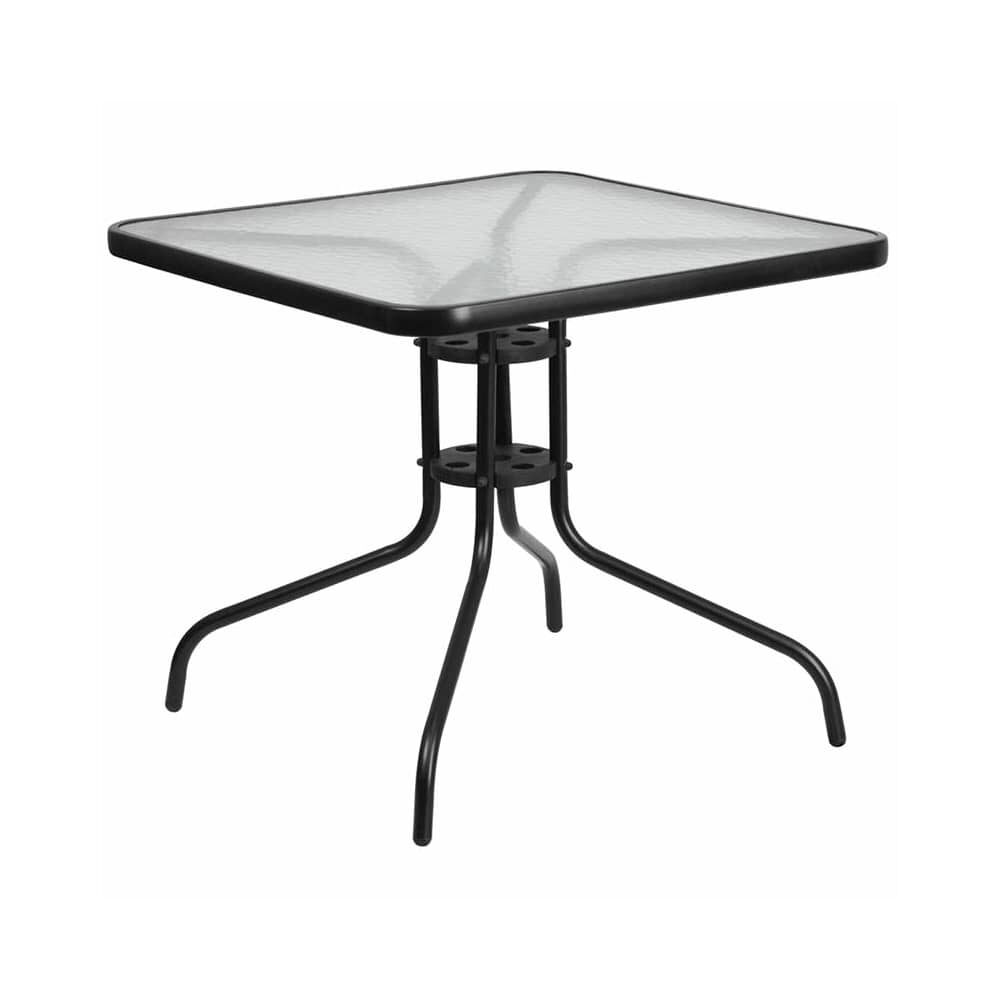
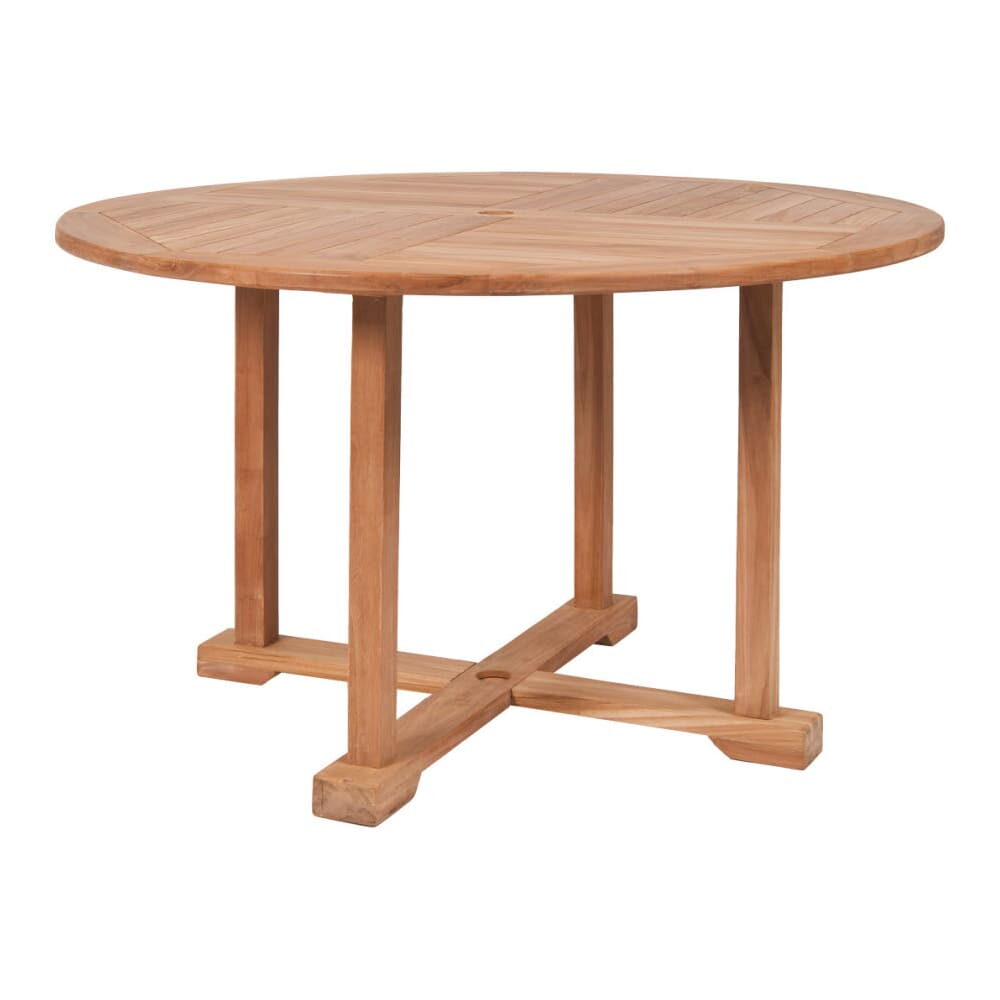
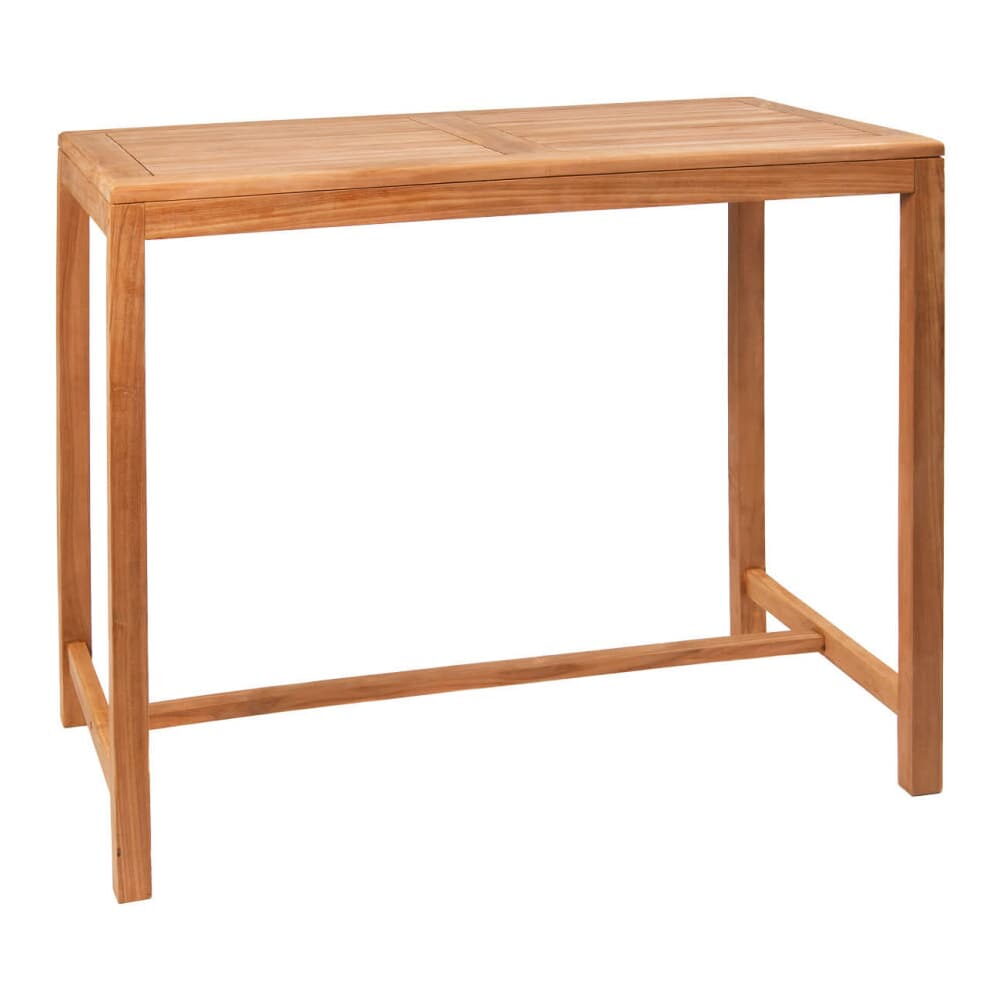
A table on the pavement has to sit level on uneven ground and clear away at night. Every one of these 49 tables carries a patio listing, and the tops are aluminum, synthetic teak, steel or resin.
49 listed products · Prices in USD · Options on each product
A closer look at this selection
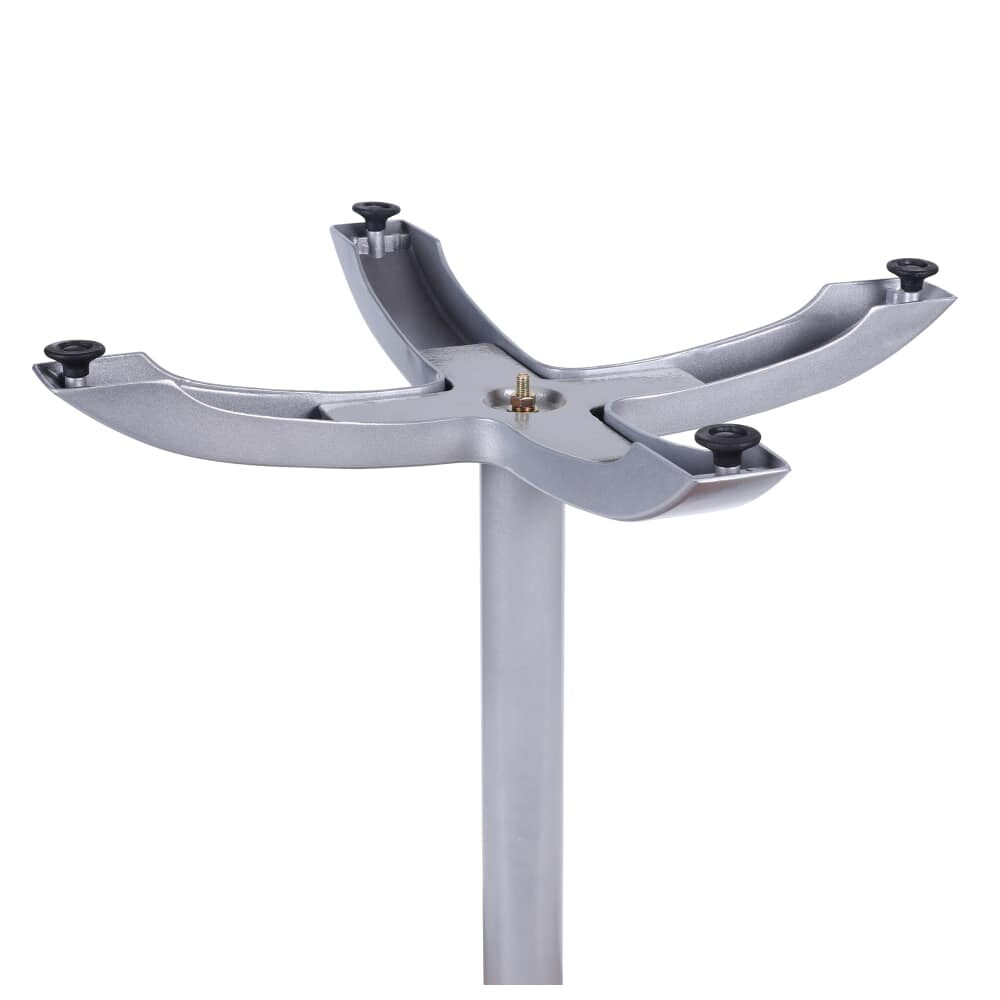
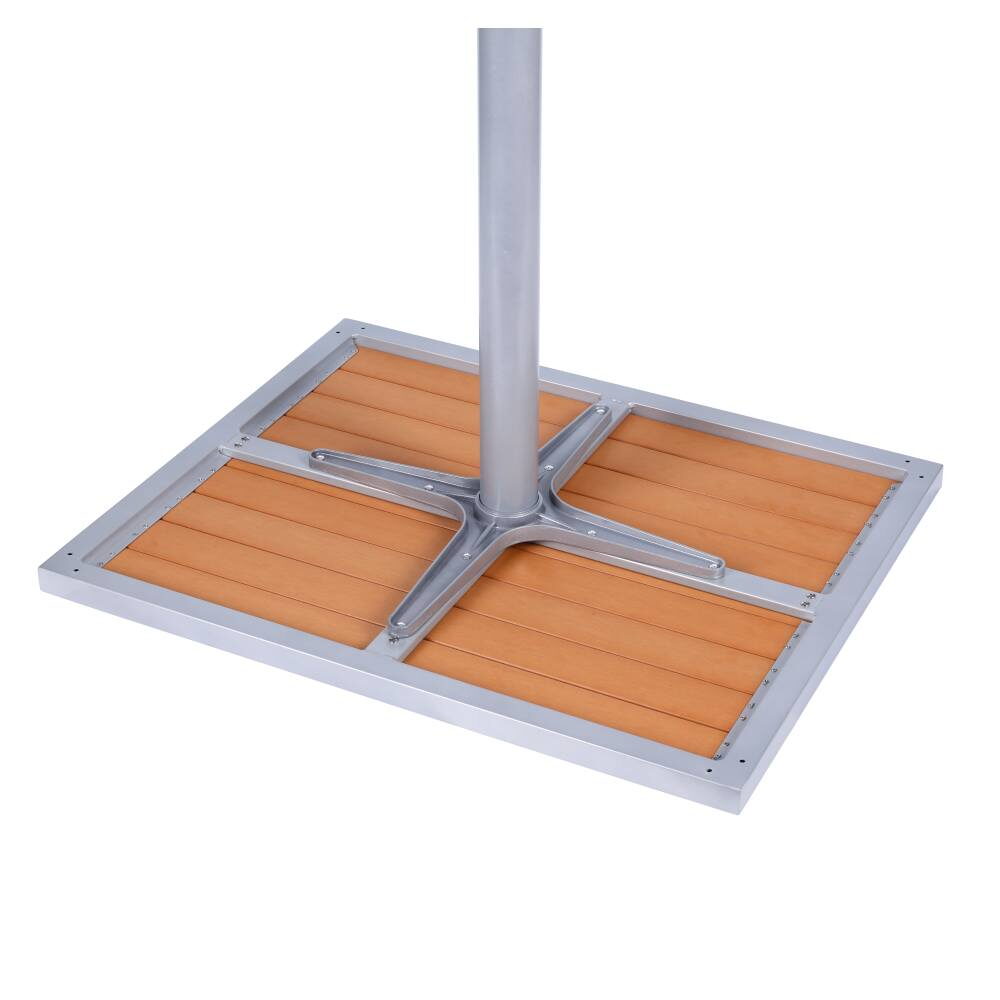
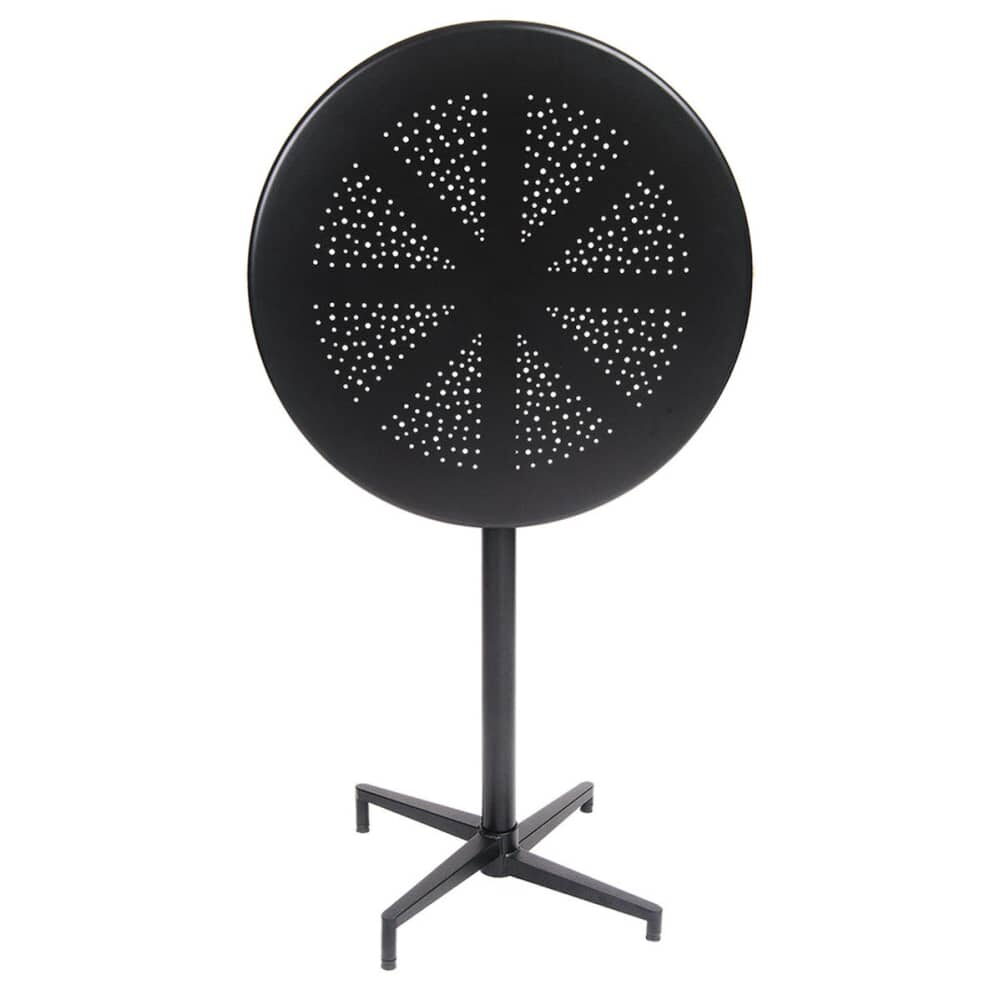
Actual product images. Open a piece to see its available options.
Outdoor
Tables
Tables
Tables

Tables

Tables

Outdoor

Outdoor

Outdoor
Tables
Outdoor
Outdoor
Tables
Outdoor
Outdoor
Outdoor
Outdoor
Outdoor
Outdoor
Outdoor
Outdoor
Outdoor
Outdoor

Outdoor
Outdoor
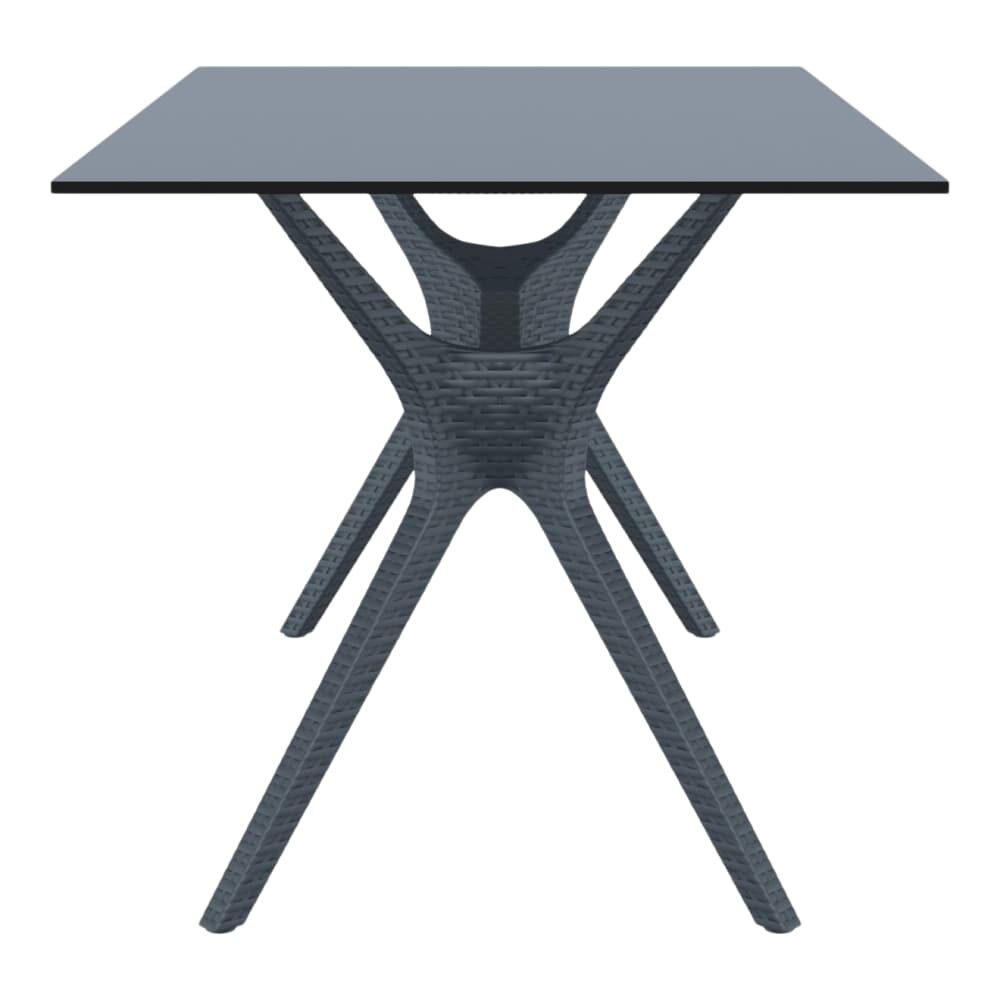
Outdoor
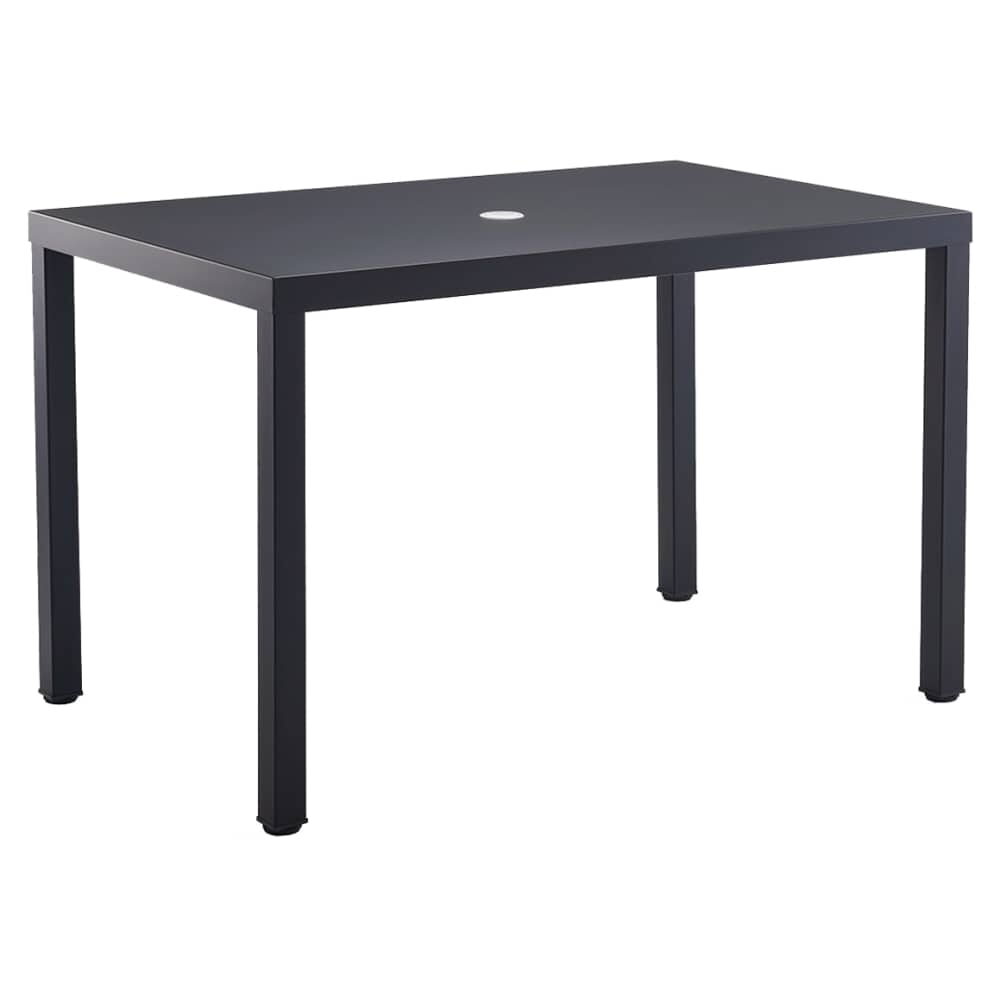
Outdoor
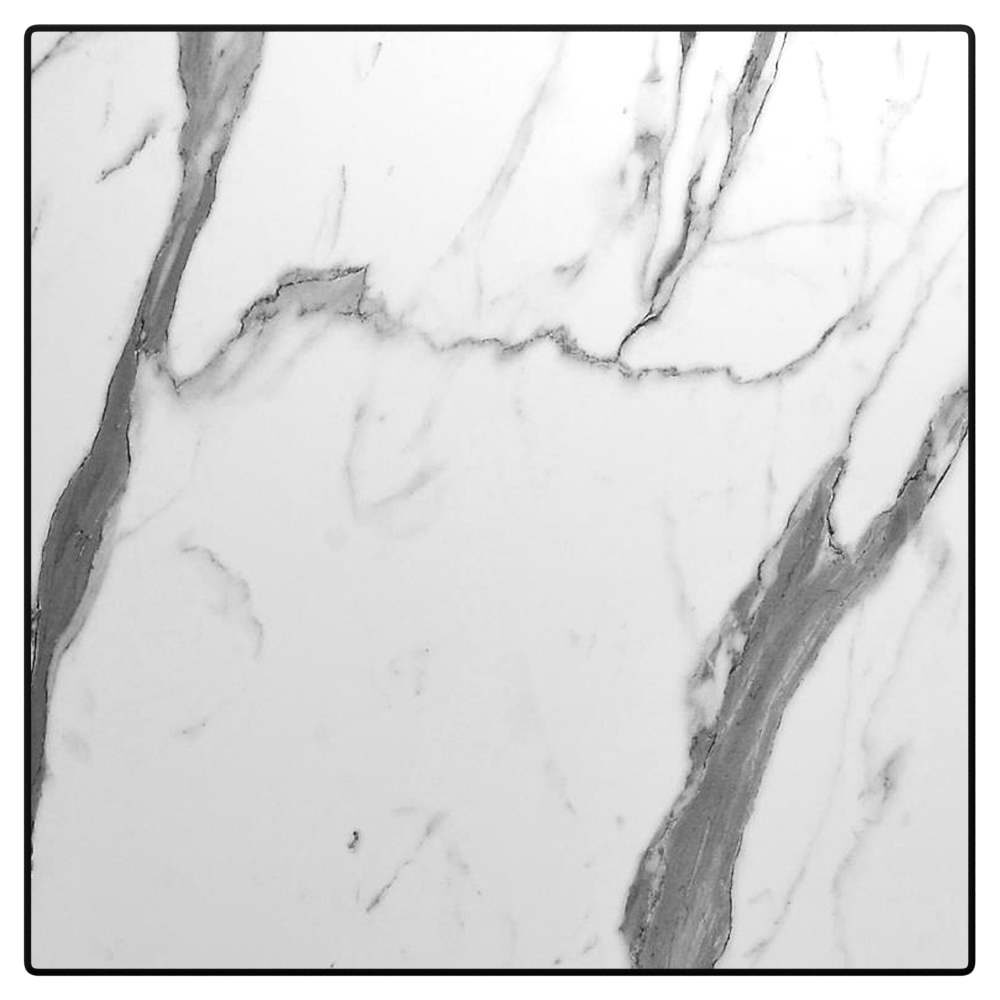
Outdoor
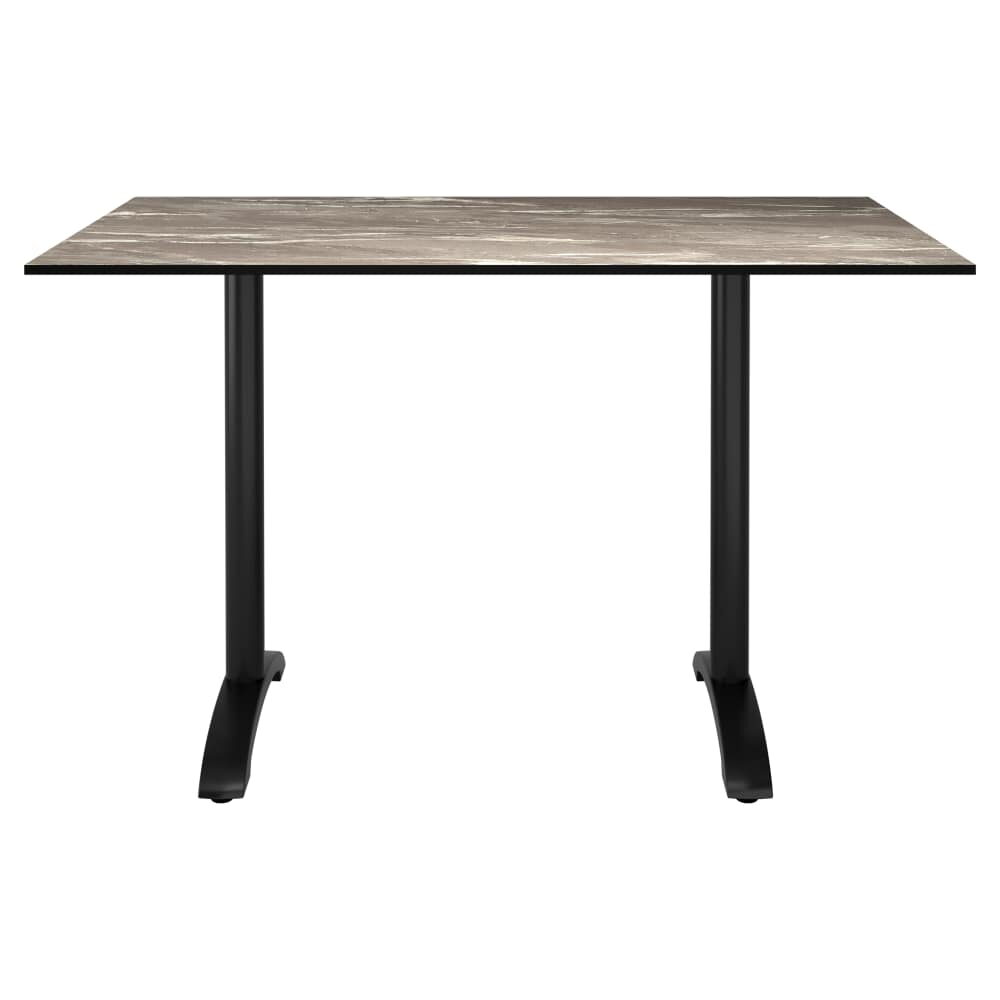
Outdoor
Outdoor
Patio tables
Picture the piece at four in the afternoon, after the lunch line has been through. Check the seat height against your counter and the base spread against the top. Save the models that pass to a shop plan, with a note on where each one goes.
Uneven pavement is the rule out front, so when choosing patio tables start with the base and its footprint, then pick a top that suits your wipe-down routine.
Read the listed indoor or outdoor use and the material details for each product. A patio photograph or a similar-looking finish is not a substitute for the product description.
Plan where the furniture will go when it is moved or stored. Use the product care information for the actual material, and check stated stacking details before assuming chairs can be stacked.
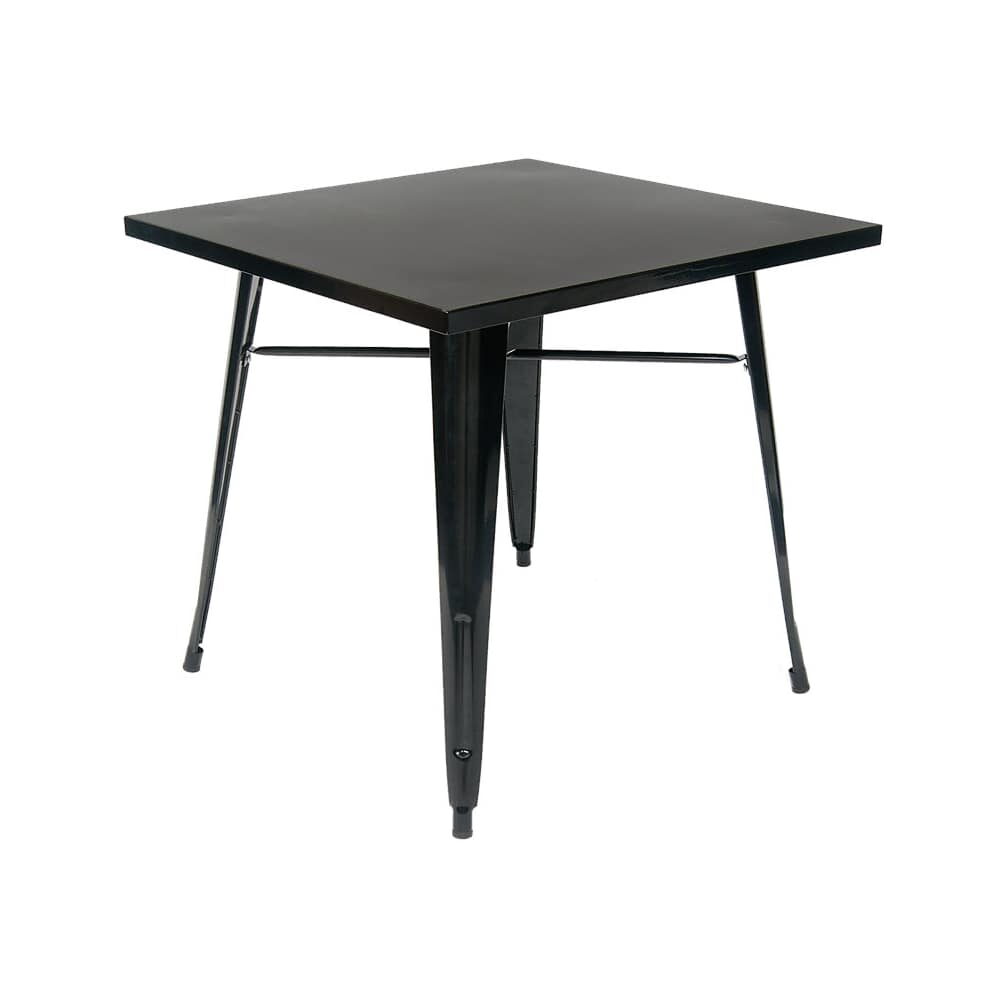
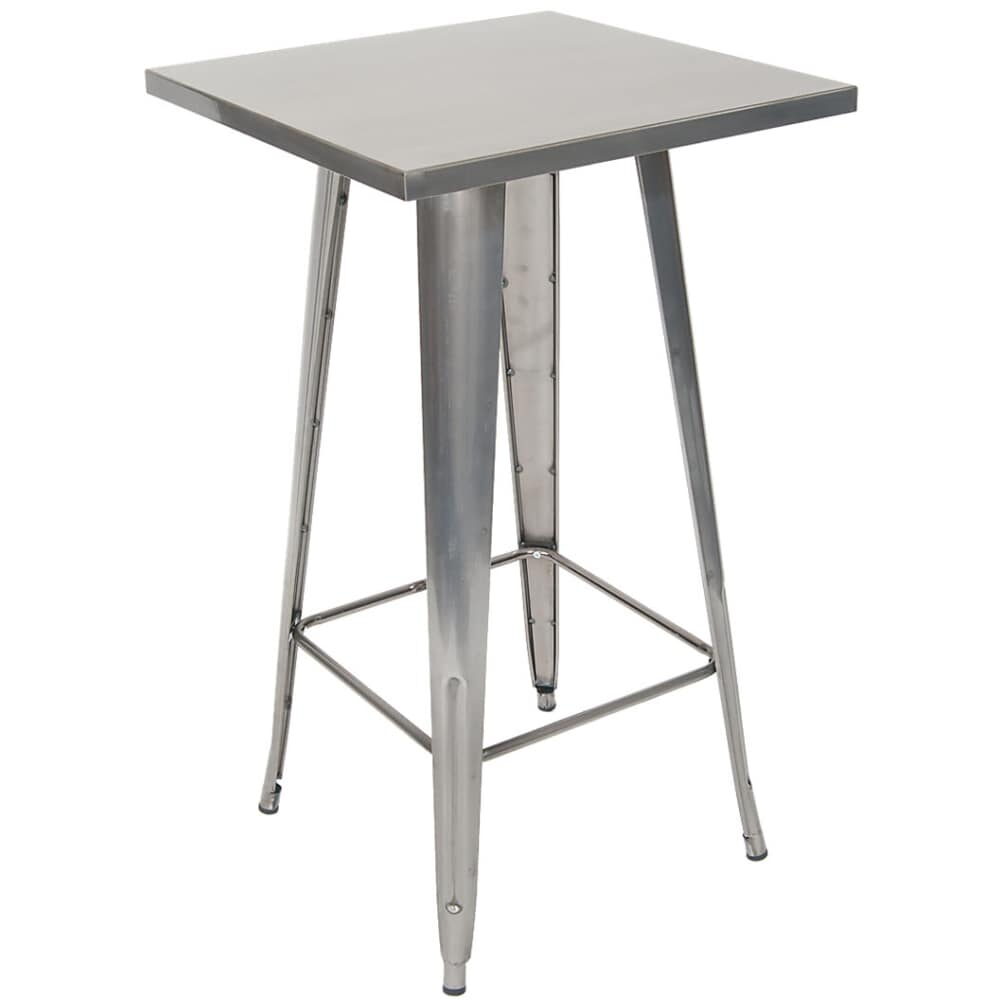
A table on the pavement has to sit level on uneven ground and clear away at night. Every one of these 49 tables carries a patio listing, and the tops are aluminum, synthetic teak, steel or resin. Start with the base and its footprint, then the top size for two or four, and leave the finish until the sidewalk is measured.
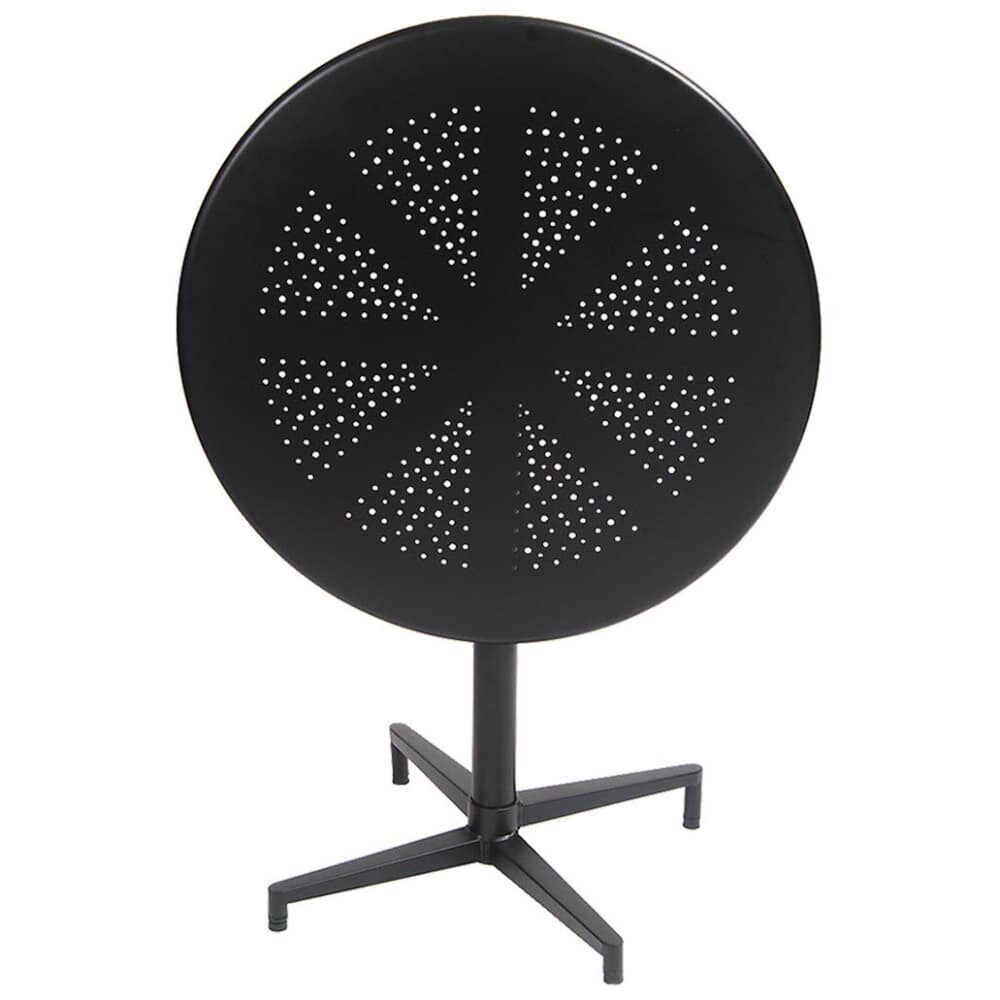
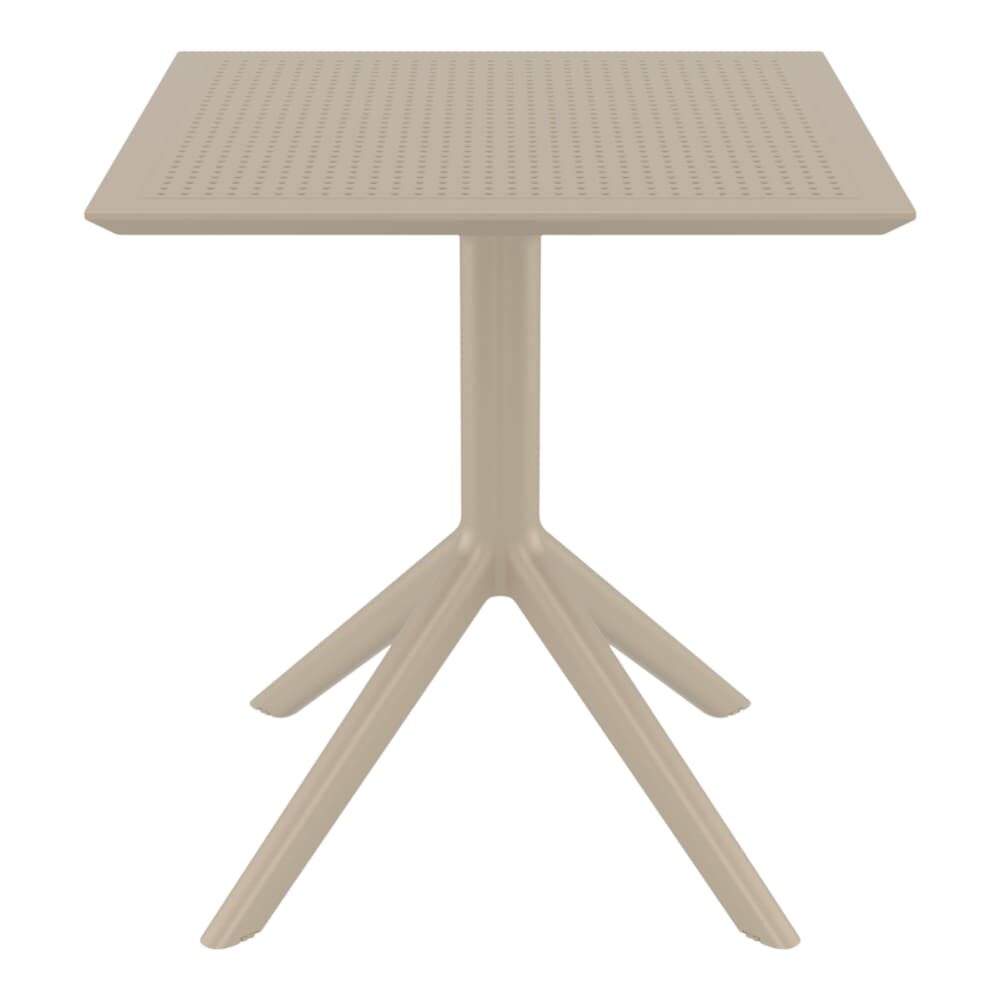
Sidewalks slope toward the gutter and paving stones rise and sink. A base with a wide footprint copes better than a narrow one, and for a round top the spread should be at least two thirds of the diameter. Bases here run aluminum, steel, cast iron and resin, with a little wood and chrome. Aluminum and resin are the lighter lift at close; cast iron stays put when the wind gets up.
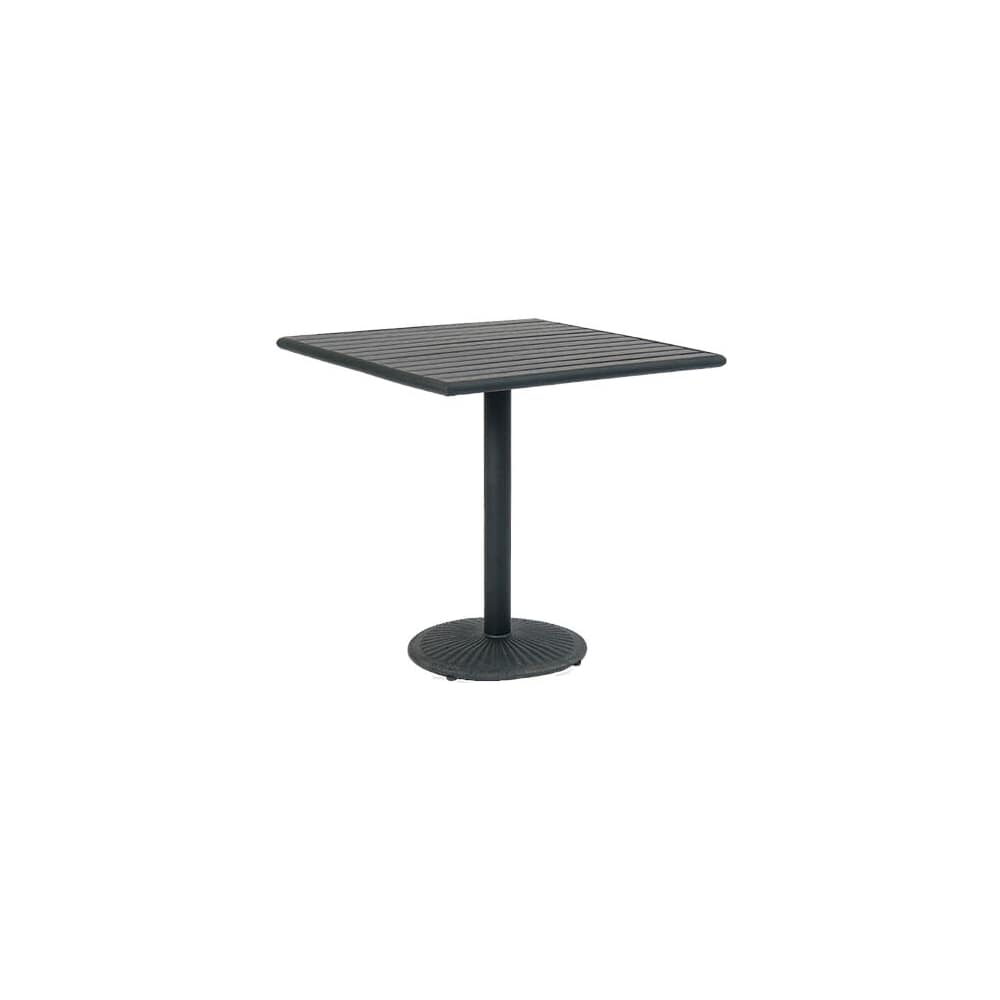
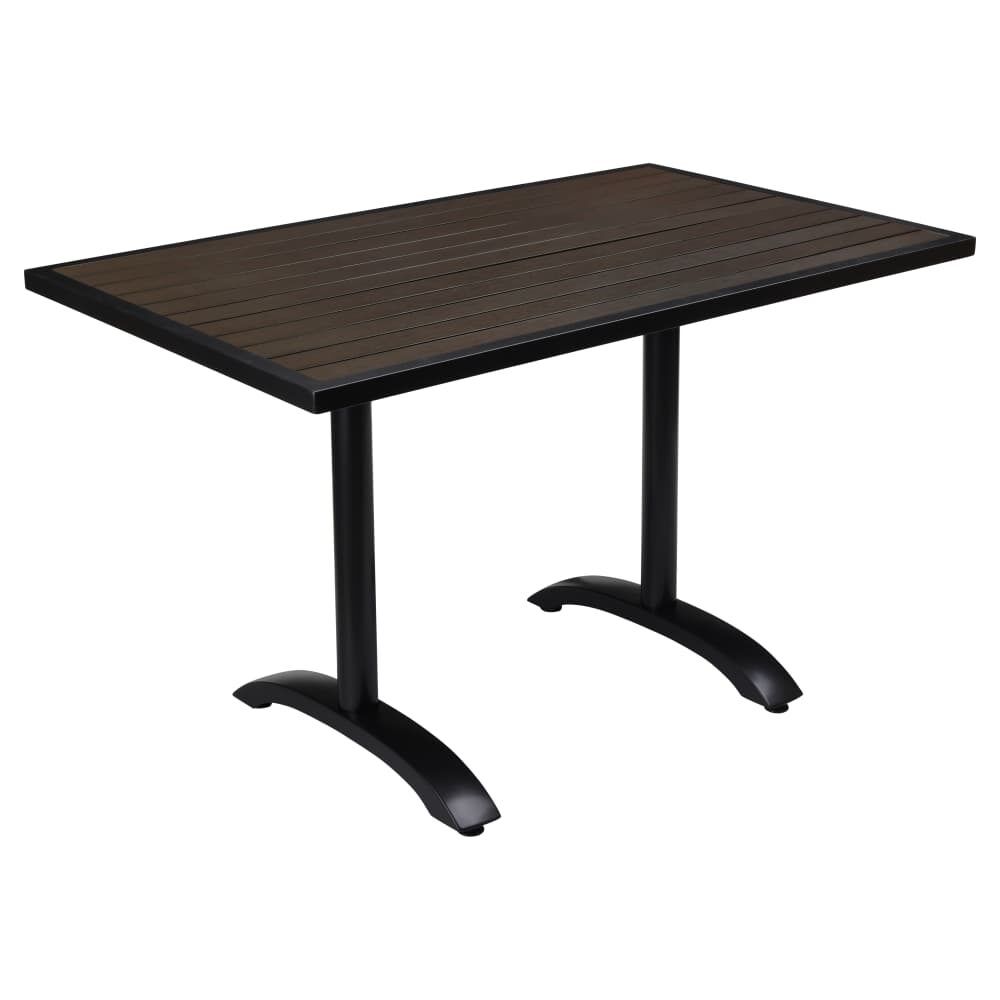
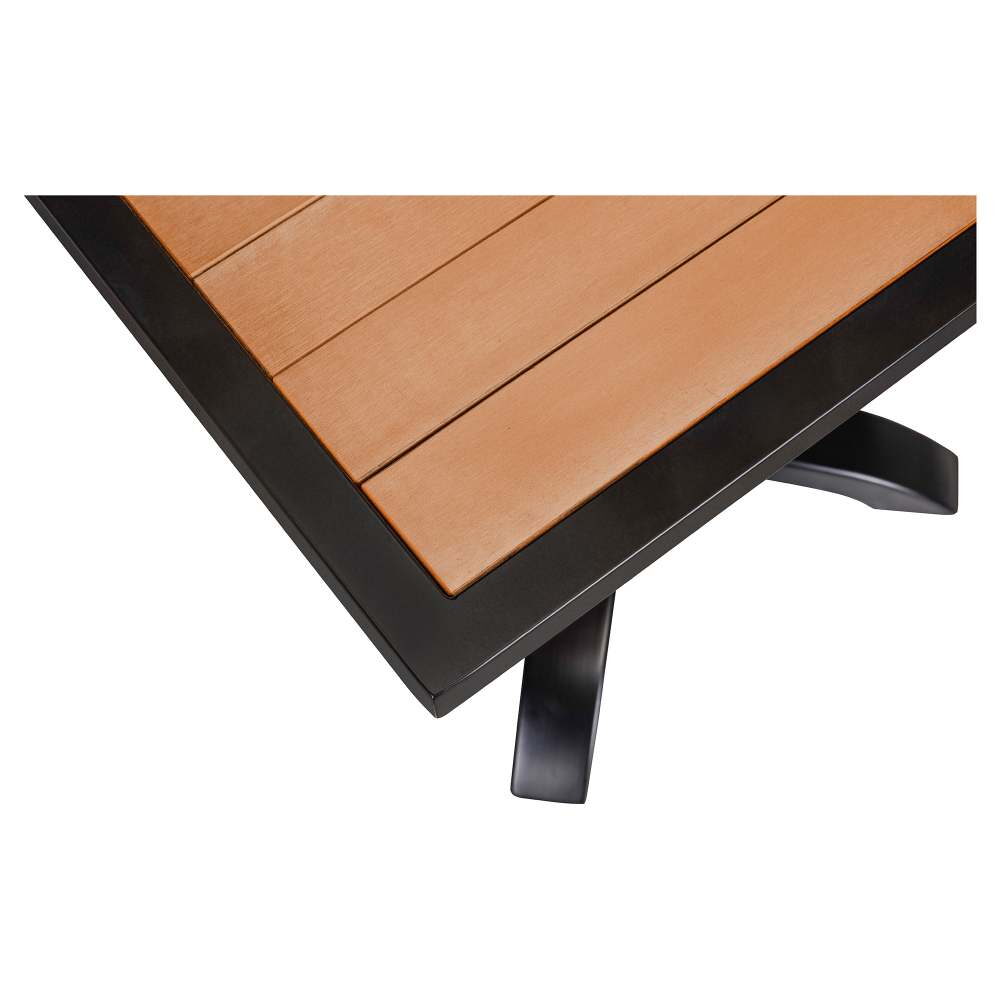
Square tops lead by a wide margin, then rectangles, then rounds. Aluminum and synthetic teak are the most common surfaces, with steel, resin and a few wood tops behind them. Synthetic teak gives the look of a wood slat without asking for oil. Wipe any top before the first customer sits, since dew and pollen settle on it overnight.
For two, a 24-inch square is the minimum and 30 inches is generous. For four, choose 36 inches square or a 42-inch round. Leave about 36 inches of clear walkway past the tables, more if your local permit asks for it.
Prices range from about $77 to $397, and a few listings are sets with the base included.
Want an umbrella over the table? The patio tables with umbrella hole take a pole through the top, though the weight still belongs in a separate umbrella base underneath. The wood look in a weather-ready form is gathered in the plastic teak tables. Metal tops are in the steel and aluminum patio tables, and the light ones you can carry in at night are in the resin patio tables.
Chairs come next. The patio chairs sit beside these on the sidewalk, and the rest of the range is under outdoor cafe furniture.
Hose the tops, tip them to drain, and put them under cover or indoors when the season ends. Then draw the sidewalk on your shop plan, curb to door, with the tables, the chairs and the clear path your city asks you to keep.
Related reading