Shop notes
Cafe table price, worked out part by part
You would never price a sandwich by looking at the bread. You cost the bread, the filling, the wrapper and the time, and only then does the number on the board make sense. A cafe table price works the same way: a top, a base, the options you pick for each, and the freight to get them to your door.
This piece walks through how we price a table and what the starting figures mean. Then it adds the rest of the cost, so you end with a number you can put in the budget before you open, or before the second shop goes in.

Open diagram at full size (new tab) ↗
Read the diagram in text
Three numbered cards: price the top and base as configured, check lines and the 8-piece minimum, then add the freight quote and any extras such as a liftgate. A note says sending the order costs nothing.
- PRICING NOTES
- 1
- Top and base: Pick size, finish and edge. The page prices what you choose.
- 2
- Lines and pieces: One configuration is one line. 8 pieces minimum, any mix.
- 3
- Freight last: Quoted per delivery address. Liftgate and inside delivery extra.
- Nothing is charged when you send the order. The email with the freight quote is the real number.
- Top, base and options make the furniture price; freight is quoted per address after we read the order.
What the price on the page covers
The price you see is the price of the configuration you have chosen: size, finish, edge, base. Change any of them and the figure changes with it. Most table listings show a starting price, the figure before you pick the options that suit your floor.
Freight is never in that number. It is quoted separately, for each delivery address, after a person here has read the order. Nothing is charged when you send it. An email follows with the final order, the freight figure for each address and the steps for paying, and then the invoice. A wire transfer, a check or a money order all work, and so do American Express, Visa and Mastercard. On a standard order the money settles first and the pallet moves second.
Part by part: top, base, or both in one
There are two ways to buy a cafe table from us, and the starting prices show the difference.
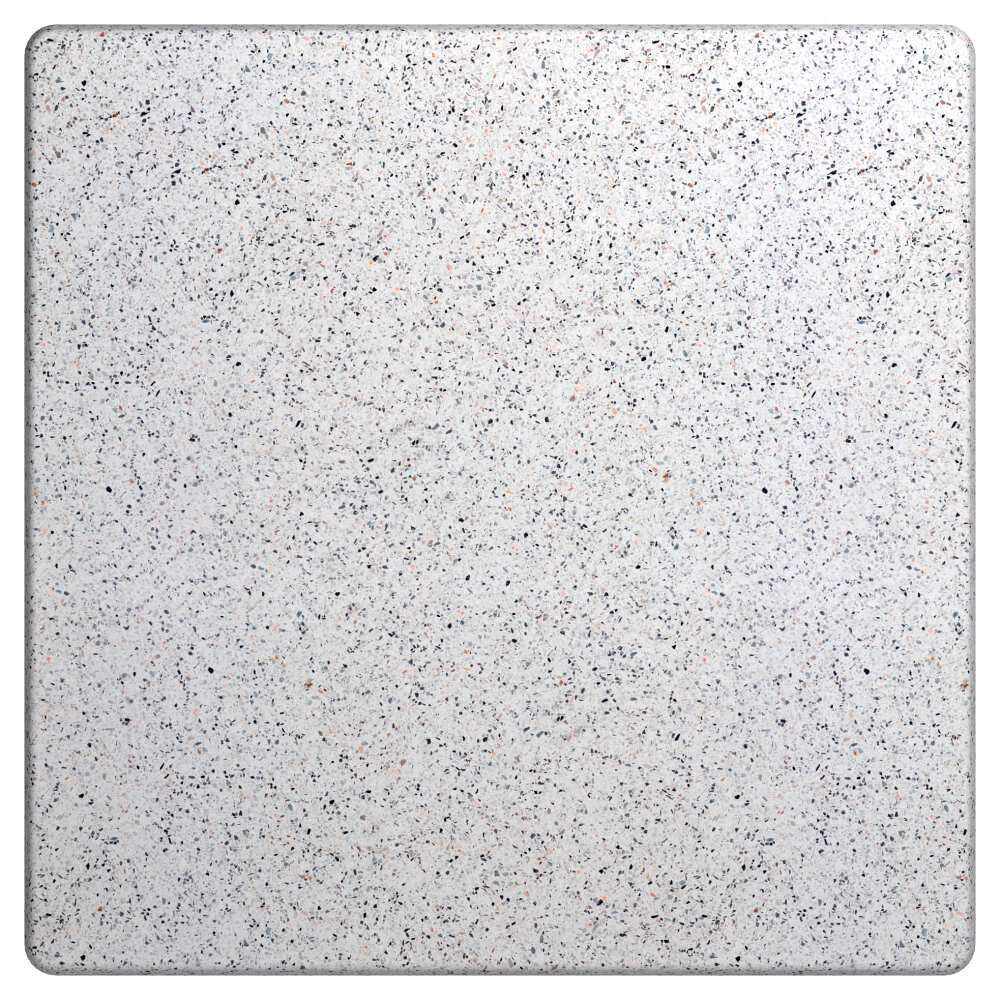
The first is a complete table with the base included. The reversible laminate table in black and mahogany starts at $86, stands at 30 inches, and has a 1 1/8-inch top you can flip when one face gets tired. The resin table with a cast iron base starts at $145 and comes in seven finishes, from dark oak to terrazzo. Both offer a long list of top sizes and base sizes, each priced as you pick it. The full list is under tables.
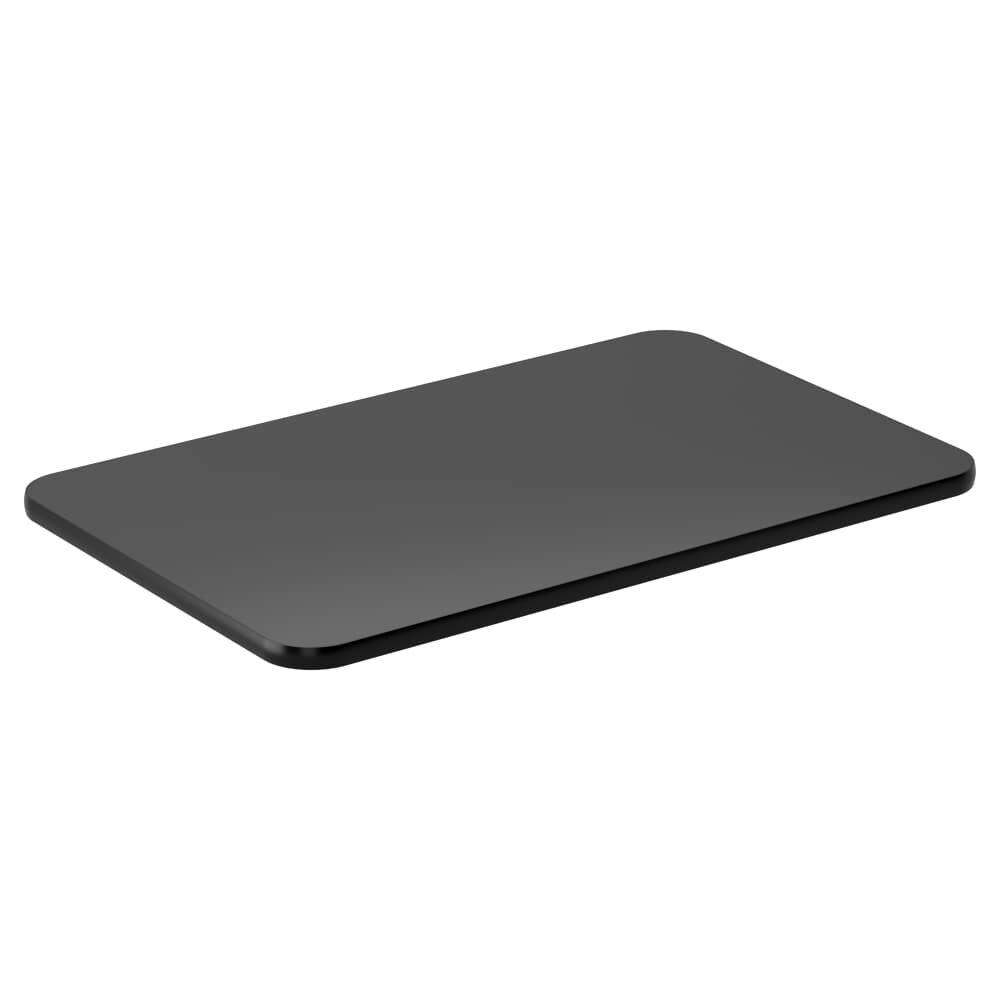
The second is a top and a base chosen apart. A reversible laminate top on its own starts at $38, and a black aluminum base, 28 inches high and listed for indoor and patio use, starts at $93. Together that is $131 before sizes. Buying apart costs more at the starting line here, but it lets you put a patio-rated base under one top, a cast iron foot under another, and keep one top across the shop. Browse table tops and table bases side by side, and read our notes on cafe tabletops before you pick a surface.
Lines, pieces and the minimum
Two rules shape every order.
First, a line is one configuration. Six resin tables in dark oak, all 30 inches square on the same base, are one line. Make four of them dark oak and two concrete grey and you have two lines. That is not a charge; it is how the order is read, and it helps to know before you build a plan with fifteen small variations.
Second, we need at least 8 pieces on an order, counting tables and chairs together however you split them. Four tables and four chairs count. So do eight tables. A small shop replacing a few pieces can often reach eight by bringing forward the chairs it was going to change next spring anyway.
A 6-table shop, worked through
Say you are pricing a shop with six two-tops and twelve chairs. You choose the resin table with a cast iron base at its starting price, and a metal ladder-back chair that starts at $68.
Six tables at $145 come to $870. Twelve chairs at $68 come to $816. The furniture starts at $1,686 for 18 pieces, before you pick a larger top, a different finish or a padded seat. That is the floor of the number, not the ceiling. Build the real one by choosing every option on each product page, so the figure reflects the tables you will actually set out.
Then the freight. If your address has no loading dock, you will want a liftgate; if the tables have to come through the shop to the back, inside delivery. Both are booked when you send the order and charged on top. Standard delivery is to the dock or tailgate, and the unloading is yours. Our delivery page lists every extra service.
If your books run on purchase orders, write the PO number into the notes box. A tax-exempt shop, or one buying to resell, says so in that same box.
The budget mistake we see most
The slip is to multiply the starting price by the number of tables, add nothing, and call it the budget. The tables arrive at a higher figure because the shop needs 30-inch tops rather than the smallest, and the freight quote lands on top of that. The owner is short before the first bake.
Avoid it with one habit. Price each part on its own line: top, base, options, then freight. Keep a margin for the freight until the quote comes back. And if you are buying for two shops, remember that each address is quoted on its own, so two deliveries are two freight lines.
Custom sizes, returns and what they cost
Ask for a top size beyond the standard sizes, or a special-order finish, and the line becomes custom. Expect a custom line to take longer, as much as about 8 weeks. It needs 40% down and the rest before delivery, and once we confirm it, it is yours: no cancelling, no sending it back. On a custom order of $2,000, the deposit is $800.
Standard pieces can come back, but not for free. We charge 35% of the value of whatever comes back as a restocking fee, and you pay the freight out and back. Send back four resin tables at $145 and the furniture is $580; the fee is $203, before any freight. Read the returns page for every term. Measure twice, and the fee stays a number you never have to work out.
From plan to a number you can bank on
Build the shop in a shop plan with every top, base and chair configured, so the saved prices are real configured prices. Prices saved in the plan get checked again against today's catalog the moment the plan goes into the basket, which keeps old figures from sneaking into the order.
Download the project sheet and put it next to your opening budget. Then follow the steps on how to order, send the order, and wait for the email with the freight. That email is your number. If you want the chairs costed the same way, the guide to bistro chairs is the next stop, and bistro tables covers sizes and bases in more depth.