Materials & finishes
What cafe furniture is made of, and how to look after it

Compare the actual references
Pick a finish for how the shop gets cleaned.
Laminate, wood, resin and stone tops each wipe and wear in their own way under a shop's cleaning routine. Set the frame finish, the seat and the top side by side before you settle on one.
Screen images are a starting point for comparing color and texture. Request the available physical samples when you need to judge a finish in your room, and retain the product and option names with the sample request.
Request free samplesFrom the furniture collection
Browse the finish references
Check a finish, then see which pieces wear it.
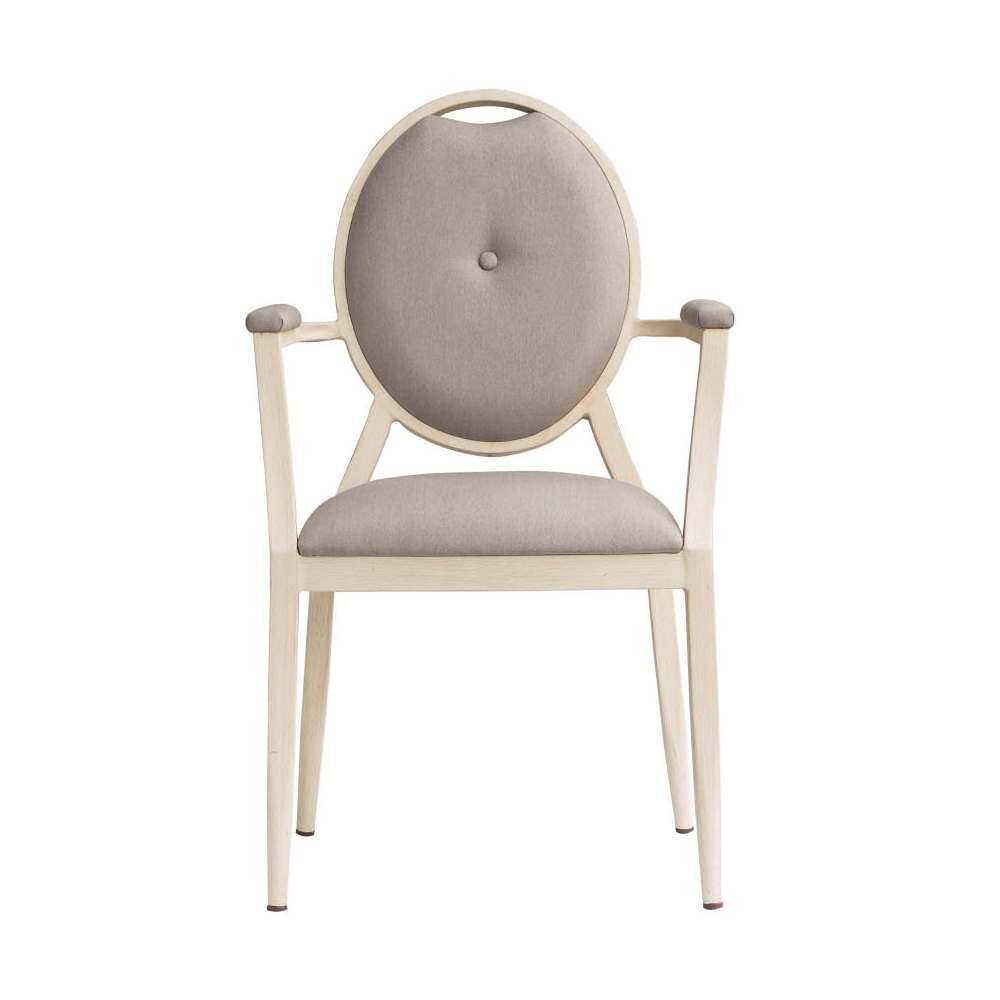
Explore color and texture references from the current collection. Open a reference to see the products that list it.
Compare two color and texture references
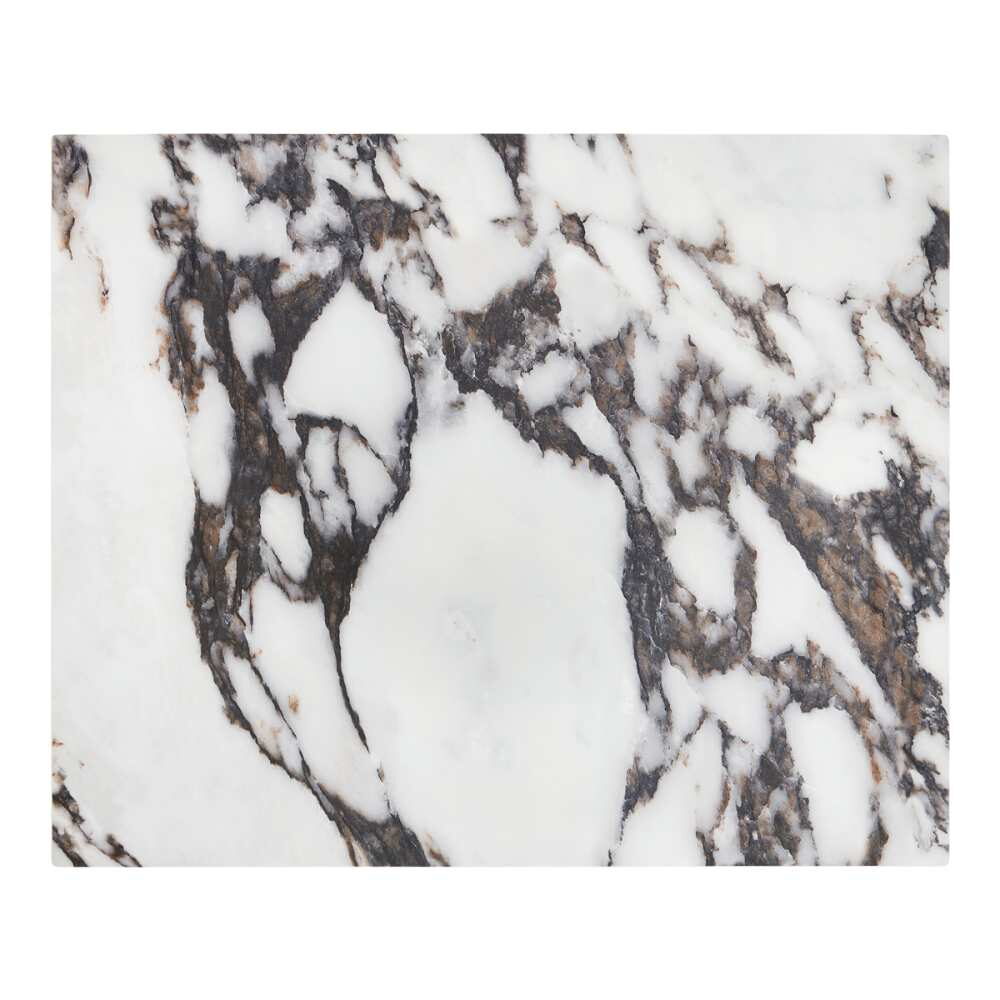
Put two original swatch images side by side. Use the product links to check where each reference is offered. Similar names do not mean identical materials or matching dye lots.
Screen colors and textures are approximate. Confirm each finish and any physical sample arrangements before ordering.
References that use the same image under different finish names are omitted from this comparison. Confirm those finishes with us before choosing a color.
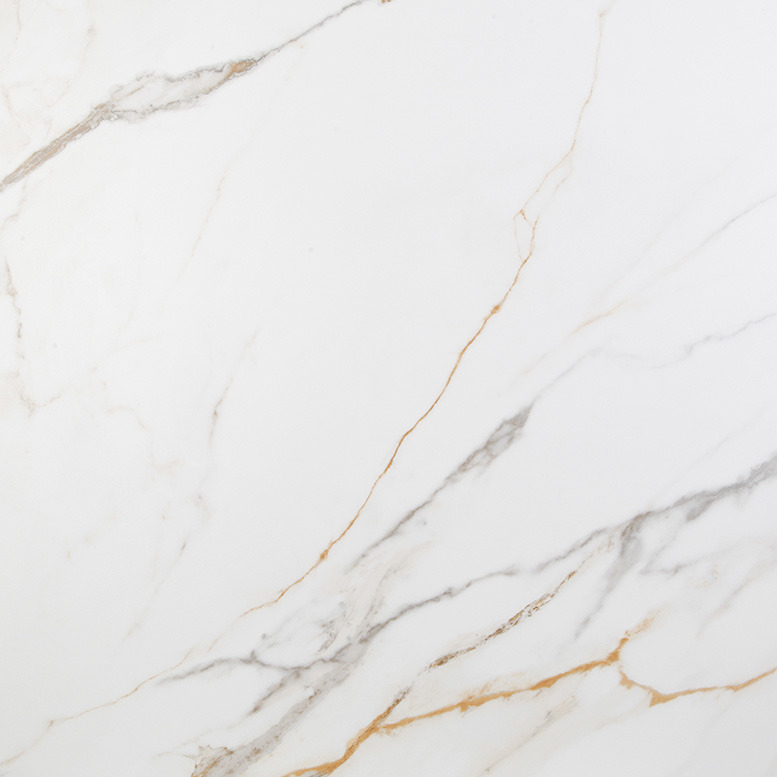
Selected reference
Calacattga goldine
Listed on 1 product in this collection. Choose the matching finish on the product page. Other options can affect its availability and price. Product photos show example configurations.
Screen color and texture are references. Confirm the material and any physical sample arrangements before ordering.
Back to surface finishes →Products with this reference
Open a product to choose its options and quantity.
References are grouped by their option labels. A similar color name does not establish that two products use the same material. Choose and confirm each product configuration separately.
Material care, samples & ordering guide
Every material on a cafe floor has a weak spot. Knowing it tells you which piece to buy for which corner, and what to do at the last sweep so the chairs look the same next year. Product pages list the materials of each piece; this page is about living with them.
Steel and powder coat
Most metal cafe chairs and stools have a steel frame with a powder-coated finish. Powder coat is a dry paint baked onto the metal, and it is hard. It is not armor, though. Where two chairs are stacked carelessly or a stool leg meets a kick plate every day, the coat can chip, and bare steel under it will rust once water gets in.
Wipe it with mild detergent and a soft cloth. Keep scouring pads and powdered cleansers away from it. Teach the closing crew to stack chairs the way the frame allows, not as tall as they can reach. A small chip caught early can be touched up before it spreads; a chip left by the mop bucket for a winter becomes a rust stain on the floor.
Chrome
Chrome looks sharp under a bakery's lights and shows every fingerprint. Owners either love it or polish it twice a shift. Clean it with warm water and a little soap, then dry it, because water left to sit leaves spots. Abrasives scratch it, and so does the green side of a kitchen sponge. Chrome is an indoor finish: salt air and rain will pit it.
Aluminum
Aluminum is light, which matters when one person puts forty chairs up at close. Unlike steel, it won't throw red rust, which is why so many patio chairs use it. A powder coat over aluminum wants the same gentle cleaning as one over steel.
Wood frames and stains
A wood chair is stained for color, then sealed with a clear finish that does the protecting. The finish is the part to look after. Scratches through it let water reach the bare wood, and that is where dark marks start. Wipe spills straight away with a damp cloth and dry the wood, and never soak a chair or run it through steam.
Wood moves with the seasons as the air gets wetter or drier, which is natural, not a fault. Check the joints and the fixings now and then, and snug up anything that has loosened before it starts to wobble. A loose chair left in service gets looser by the day.
Vinyl seats
Vinyl is the cafe seat most owners pick, because coffee and jam come straight off it. Use mild soap in warm water and a soft cloth, follow with plain water, then towel it dry. Bleach, solvents and harsh sprays dry vinyl out over time and leave it to crack. Dark denim and pen ink can stain a pale color, worth thinking about before you choose cream seats for a busy counter.
Fabric seats
For a deli where people linger over soup, fabric is worth a look. It feels warmer and hides wear well when the color is mid-tone or patterned. Vacuum crumbs off the seat often. Blot a spill with a clean cloth, working from the edge inward, and never rub it in. Try any cleaner on a hidden spot first. In a shop with toddlers and hot chocolate, a plain pale fabric will tell you about it.
Laminate tops
Most cafe tables in most towns are laminate, and with reason. A laminate top is a hard, thin surface layer bonded over a core. It takes daily wiping with soap and water well. A plate from the kitchen is fine on it; a hot pan straight from the oven needs a trivet. The edges and seams are where trouble starts, so wipe water off the edge rather than leaving it to soak in, and never cut on it. Browse laminate tops to see the range.
Solid wood tops
A wood top is the one that tells the story of the shop. Real wood tops wear in rather than wear out, and some owners like them for exactly that reason. Wipe them dry after every clean; wet glasses left overnight leave rings. Wood moves a little across its grain through the year, and a fine crack or a small change in flatness can come with that. Plan on renewing the finish when the surface turns dull and thirsty.
Stone tops
Granite tops are heavy and very hard. A granite top relies on its seal to keep oil and coffee out, so wipe spills promptly and use a pH-neutral cleaner rather than vinegar or citrus sprays. When water stops beading on the surface, it is time to reseal. Pair a stone top with a base sized for it. Granite runs from 35 pounds on the smallest round to 172 on the 54-inch round, so plan who carries it in before the truck comes.
Resin and synthetic teak
Resin chairs are light, often stack, and shrug off a rinse from the hose. Synthetic teak gives the look of a wood slat without the oiling a wood top would need outdoors. At the end of the season, rinse off the grime, let everything drain, and store it or cover it. Wash both with soap and water and a soft brush. For the shop front, choose pieces the listing marks for patio use; the outdoor range sorts them by material.
Foot glides
Nobody thinks about glides until the floor complains. A worn glide lets metal touch the floor, which scratches wood, marks tile and makes the chair noisy on concrete. Check them every few months and replace any that have worn through. On hard floors, a chair that rocks may simply be missing one. Keep a bag of spares behind the counter, next to the spare till roll, and fit them the day the old ones go thin.
A routine for the last sweep
- Wipe seats and tabletops with soap and warm water, then go over them with a dry towel.
- Dry chrome and stone so water doesn't sit on them.
- Stack chairs only as high as the frame is built for.
- Once a month, check glides, joints and base levelers, and fix the wobbly ones first.
Not sure which finish will suit your floor and your light? Order free samples and leave them on the counter for a week. Wipe them, spill on them, let the morning crew lean on them. The warranty page lists what wrong cleaning agents can cost you, which is one more reason to read the label on the spray bottle.